
Plants
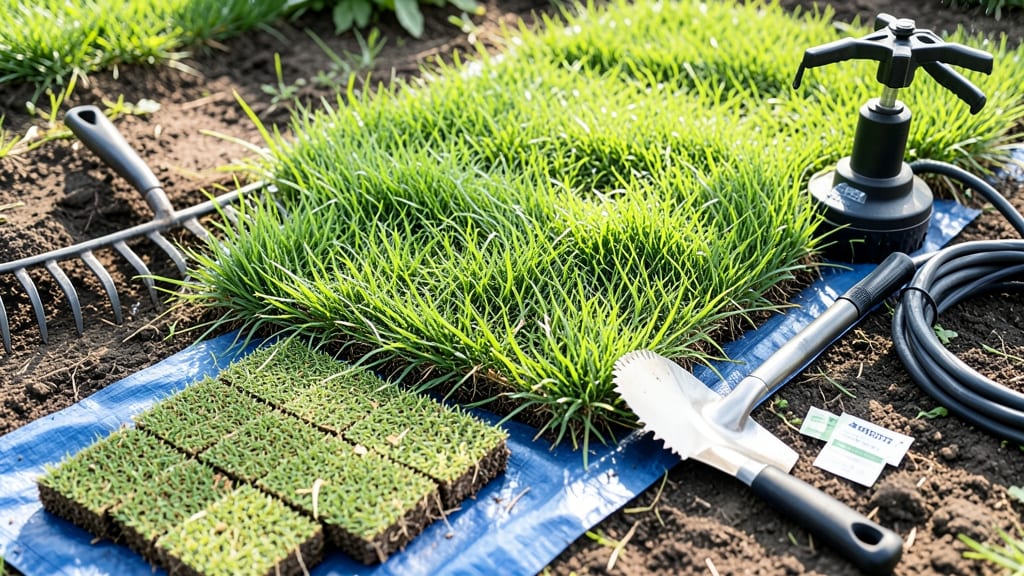
Planting Bermuda grass 🌱 at the wrong time in the South can leave you staring at a lawn that’s slow to fill in—or worse, barely survives the summer heat.
The key to a fast-spreading, drought-resistant yard? Getting it in the ground when soil temperatures hit 65°F or warmer, which usually means early spring (March-April) or late summer (August-September).
If you’ve ever struggled with patchy grass or spent extra on repairs, you’re not alone. Many Southern gardeners make the mistake of planting too early, only to watch their grass struggle through cooler spells.
But with the right timing, Bermuda grass can go from sparse to lush in just 6-8 weeks, thanks to its aggressive root system.
In this guide, I’ll break down the exact planting windows for your USDA Zone, regional tweaks for Gulf Coast vs. Deep South climates, and how to prep your soil for maximum growth.
You’ll also learn how to avoid common pitfalls that slow down Bermuda grass—so you can enjoy a thick, green lawn all summer long.
Ready to transform your yard? Let’s dive into the science behind fast root spread and how to leverage Southern weather for a head-start on coverage. Your lawn’s transformation begins with the right timing—and I’ve got you covered.
Optimal soil temperature triggers for planting Bermuda grass in the South
Timing your Bermuda grass planting based on soil temperature is the secret to a fast-spreading, drought-resistant lawn. In the Southern US, where summers are scorching, planting too early can leave your grass vulnerable to cold snaps, while waiting too long risks slow establishment before heat sets in.
The golden rule? Wait until soil temps hit 65°F consistently—this triggers rapid root growth and outpaces weeds.
Southern climates vary dramatically from Zone 7 (like Memphis) to Zone 11 (Miami). In cooler transition zones (7-8), aim for early spring (March-April) when daytime temps climb above 70°F.
Meanwhile, in the Deep South (9-11), late summer (August-September) planting lets you capitalize on warm soil and longer daylight for aggressive spread before winter dormancy.
To test soil warmth, use a soil thermometer at 4-inch depth (where roots form). For sod installation, soil should stay above 65°F for 3+ days.
For seed planting, wait until it’s consistently 70°F+—seeds need warmth to germinate quickly. Pro tip: Check temps in the late afternoon when soil is warmest.
Regional microclimates add another layer of complexity. For example, Atlanta (Zone 7b) may see soil temps drop below 60°F in March, while New Orleans (Zone 9a) stays above 75°F year-round. Use a local weather app to track 7-day soil forecasts—this helps avoid planting during unexpected cold snaps.
In higher elevations (like the Appalachians), wait until after May 1 to ensure warmth.
If you’re planting seeds, prioritize late summer in most of the South—this gives seedlings 6-8 weeks of warm weather to establish before winter. For sod, spring planting offers longer daylight hours for faster root spread.
My personal trick? Test soil temps weekly starting in February—once you hit 65°F for 3 days straight, it’s go time.
Don’t overlook soil preparation—Bermuda grass thrives in well-draining, slightly acidic soil (pH 6.0-7.0). If your soil tests high in clay or compacted, till in compost or sand to improve aeration.
In sandy soils (common in Florida), add organic matter to retain moisture. Proper prep ensures your grass hits the ground running once temps are ideal.
One common mistake is relying on air temperature instead of soil temperature. A 75°F day might feel warm, but if the soil is still 55°F, roots won’t activate. Use a soil thermometer (they’re cheap!) to avoid this pitfall.
In urban areas, pavement can create "heat islands"—soil may warm 5-10°F faster than rural spots, so adjust your timeline accordingly.
For fastest results, combine optimal soil temps with proper watering: 1-1.5 inches per week until roots establish (about 3-4 weeks for sod, 6-8 weeks for seed). Mulch with straw to retain moisture and protect seedlings from crusting in hot, dry conditions.
With the right timing and care, your Bermuda grass will outcompete weeds and create that coveted dense, heat-tolerant lawn.
Remember: Patience pays off. Rushing planting because you’re eager for summer can lead to patchy growth or winterkill. Stick to the 65°F soil rule, and you’ll be rewarded with a lawn that spreads aggressively and stays green
Best planting methods for fast root establishment in warm climates
Choosing the right method for planting Bermuda grass in the South isn’t just about timing—it’s about maximizing root spread and heat tolerance. While both sod and seed options work, each has distinct advantages depending on your timeline and budget.
For instant coverage, sod is the winner. It establishes 3x faster than seed because the roots are already mature. This makes it ideal for late summer plantings when temperatures are high and you want quick ground coverage before summer’s end.
| Method | Establishment Time | Best For | Cost |
|---|---|---|---|
| Sod | 2-4 weeks | Quick coverage, high heat | $$$ |
| Seed | 6-8 weeks | Budget-friendly, long-term | $ |
If you’re planting seeds, aim for early spring when soil temperatures are consistently above 65°F. This ensures strong germination before summer’s peak heat. Use a starter fertilizer with phosphorus to encourage root development.
For USDA Zones 7-8, late summer (August-September) is another great window. The grass gets a head start before winter dormancy. In Zones 9-10, where winters are mild, you can plant year-round, but spring remains optimal for vigorous growth.
Pro tip: If planting seeds, lightly rake the soil to create a fine seedbed—this improves seed-to-soil contact and speeds up germination. Mulch lightly with straw to retain moisture without smothering new shoots.
Remember, Bermuda grass is aggressive and spreads quickly once established. The key is getting those roots deep early to handle the South’s intense heat and drought spells.