
Plants
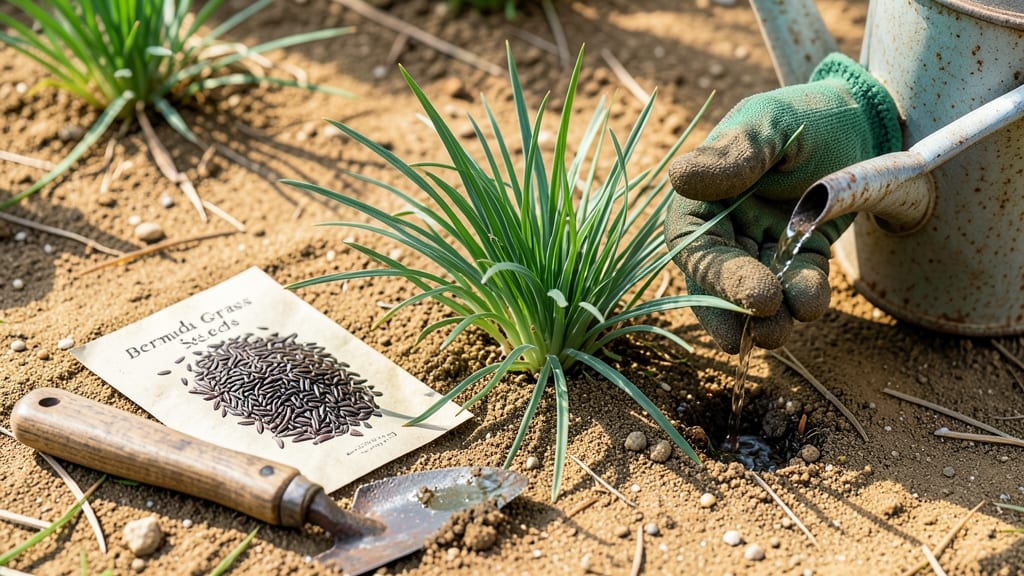
Planting Bermuda seed at the wrong time in North Texas can mean the difference between a lush, green lawn and a patchy disappointment.
The key to success isn't just waiting for spring—it's knowing when the soil warms up to 65°F or higher, which typically happens around late April to early May in zones 7b-8a.
If you plant too soon, frost or cool soil will stall germination, while waiting too long risks weak growth before summer's heat sets in.
For most North Texas gardeners, the ideal window is just after the last frost—usually mid-March to early April—but soil temperature is the real game-changer. Bermuda grass thrives in heat, so rushing the process can backfire.
I’ve seen lawns struggle when planted in March because the ground was still too cool, even though the calendar said spring had arrived.
This guide will walk you through the exact steps to time your planting perfectly, from checking soil temps to adjusting for your specific location—whether you're in Dallas, Fort Worth, or Waco.
You'll learn how to avoid common mistakes that derail germination and get your Bermuda grass off to a strong start before the summer heat kicks in.
Ready to transform your lawn? Let’s dive into the science and practical tips that will help your Bermuda seed take root fast and grow thick. The right timing isn’t just about the calendar—it’s about giving your grass the best possible conditions to flourish.
Optimal soil temperature and heat zone triggers for planting Bermuda seed
Bermuda grass thrives in North Texas heat, but planting too soon can ruin your chances. The key is waiting until soil temperatures consistently hit 65°F+—this triggers germination and prevents frost damage.
In USDA Zones 7b-9a, this typically means late March to early April, but microclimates like Dallas or Lubbock can shift that window by weeks.
For Dallas-Fort Worth, aim for March 20-April 15—after the last average frost date of March 15. In Waco or Abilene, where nights stay cooler, push planting to April 1-15 to avoid late-season frost risks.
Soil thermometers are your best tool here; 65°F+ for 5+ days is your green light.
Bermuda grass is a warm-season grass, meaning it needs heat to activate growth. Planting before 60°F soil temps risks seeds rotting or sprouting too slowly. The heat zone trigger isn’t just about warmth—it’s about consistent heat. A single cold snap after planting can set you back months.
| Region | Ideal Planting Window | Soil Temp Requirement | Risks if Planted Early |
|---|---|---|---|
| Dallas-Fort Worth | March 20 - April 15 | 65°F+ (consistent) | Frost damage, slow germination |
| Waco, Temple | April 1 - April 15 | 65°F+ (consistent) | Late frost risks, weak sprouts |
| Lubbock, Amarillo | April 15 - May 1 | 70°F+ (warmer soil) | Extreme heat stress if planted too late |
| East Texas (Tyler, Longview) | March 1 - March 20 | 60°F+ (milder climate) | Humidity-related rot if too wet |
If you’re in a shadier microclimate (e.g., under large oak trees), delay planting until mid-April—Bermuda grass needs 6-8 hours of sun daily to thrive. Shade slows soil warming, so your 65°F trigger may take longer to hit.
Use a soil thermometer for accuracy; don’t guess based on air temperature alone.
Pro tip: Pre-warm your soil in cooler microclimates by covering bare patches with black plastic for 2-3 weeks before planting. This can add 5-10°F to soil temps, helping you meet the 65°F threshold faster. Just remove the plastic 24 hours before planting to avoid overheating seeds.
Another critical factor is moisture balance. Bermuda grass seeds need consistent moisture to germinate, but waterlogged soil can suffocate them. In North Texas’s unpredictable spring rains, aim to plant when forecasts show dry conditions for 5+ days.
This reduces the risk of seed rot while keeping soil damp enough for sprouting.
For direct sowing, scatter seeds ¼ inch deep and lightly rake to ensure seed-to-soil contact. A starter fertilizer with high phosphorus (e.g., 10-20-10) can jumpstart root growth. Water lightly but daily until germination (7-14 days), then gradually reduce to every 3-5 days once sprouts appear.
Remember: Bermuda grass grows aggressively once established, but a slow start due to poor timing can leave your lawn vulnerable to weeds or drought. In North Texas’s summer heat, a well-timed planting means thicker grass by June—just in time for football season! 🌱
Optimal soil temperature and heat zone triggers for planting Bermuda seed
Bermuda grass thrives in North Texas’s heat zones 7b-9a, but the real game-changer is soil temperature. Seeds won’t germinate reliably until the ground warms to at least 55°F, but for consistent sprouting, aim for 65°F or higher.
In Dallas, this typically happens by mid-April, while Waco’s slightly earlier climate may see it as early as late March. Using a soil thermometer ensures you don’t guess—just pop it in the ground after your morning watering for the most accurate reading.
Why the obsession with soil temp? Bermuda grass seeds won’t survive frost, and even a light freeze after planting can kill tender sprouts.
The last frost date in North Texas usually falls around March 15, but don’t rush—waiting for that 65°F threshold gives your seeds the best shot at establishing strong roots before summer’s heat arrives. Patience here pays off with a thicker, drought-resistant lawn by June.
Microclimates matter in North Texas. Dallas and Fort Worth often see warmer soils earlier than Lubbock or Abilene, which can lag by 1-2 weeks. Check local weather stations or ask your county extension office for hyper-local soil temp data.
For example, a shaded yard might stay cooler than a sunny patch, delaying germination by 5-7 days. If you’re unsure, err on the side of waiting—Bermuda grass grows aggressively once established, so a 2-week delay won’t hurt your timeline.
If you’re planting in April, you’re likely in the clear for soil temps, but keep an eye on unpredictable late frosts. I once planted Bermuda in early April in Denton only to see a 28°F dip two weeks later—my seeds took a hit.
To hedge your bets, cover new seedlings with frost cloth if your local forecast warns of below-32°F temps. This extra layer can save your lawn from a slow, patchy start or worse, total failure.
Don’t overlook soil preparation—Bermuda grass needs well-draining soil to avoid rot. Before planting, till the top 6 inches of soil to loosen compaction and mix in compost or sand if your clay-heavy North Texas soil feels dense.
A pH test (aim for 6.0-7.0) ensures nutrients are available for those critical first weeks of growth. Skipping this step can leave your seeds struggling even with perfect timing.
Once your soil hits 65°F and stays there, act fast—Bermuda grass seeds germinate in 7-14 days under ideal conditions. But if you wait until May, you’ll miss the early summer thicken period, leaving your lawn vulnerable to weeds and heat stress.
The key is balancing soil warmth, frost risk, and your local microclimate—and North Texas’s variability means checking your soil weekly in spring is non-negotiable.