
Plants
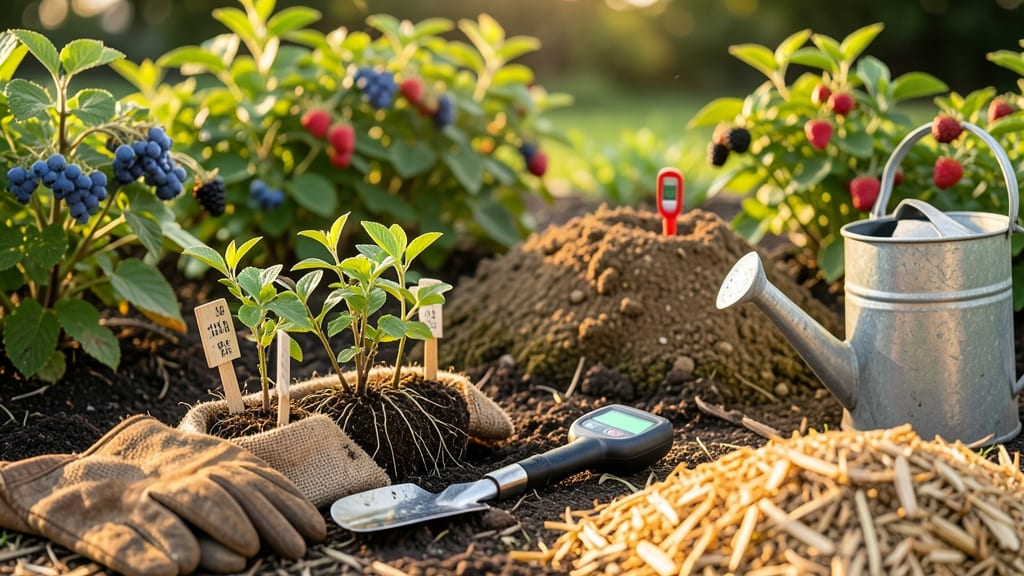
Planting berries 🫐 at the wrong time in Zone 8 can leave you staring at sad, struggling bushes instead of a lush harvest. The key to success lies in understanding when to plant berries in Zone 8—whether you're working with spring's early warmth or fall's cooler temperatures.
Zone 8's mild winters and long growing season give you two prime planting windows: late winter to early spring or early fall. But timing isn't just about the calendar—it's about avoiding late frosts that can nip young plants in the bud or summer heat that stresses newly planted bushes.
I'll break down the best months for each berry type, from strawberries that thrive in cooler spring soil to blueberries that need acidic conditions. You'll discover how to prepare your soil, choose the right varieties, and extend your planting season for multiple harvests.
Ready to grow berries that produce like crazy? Let's dive into the science-backed schedule that will transform your garden into a fruit-filled paradise by next summer.
Best planting months for berries in Zone 8 by variety
Zone 8 gardeners enjoy a longer growing season than many regions, but timing still matters for berry success. The ideal window spans from late winter to early spring and early fall, with key differences between berry types.
Let’s break down the perfect planting schedule for each variety to maximize your harvest.
For strawberries, both spring and fall planting work, but fall is often better. Plant June-bearing varieties in September-October for next year’s fruit, while everbearing types can go in February-March or September. The goal is to establish roots before winter dormancy.
Blueberries are the most finicky, needing acidic soil (pH 4.5-5.5). Bare-root plants should go in late winter (February-March) when dormant, while container-grown blueberries can plant as late as April. Fall planting is riskier due to frost sensitivity.
📋 Zone 8 Berry Planting Timeline
| Variety | Best Planting Month | Notes |
|---|---|---|
| Strawberries | February-March OR September-October | Fall planting for June-bearing; spring for everbearing |
| Blueberries | February-April | Bare-root only; acidic soil required |
| Raspberries | January-February OR September | Fall planting for summer-bearing; spring for fall-bearing |
| Blackberries | January-February OR September-October | Thornless varieties preferred; mulch heavily |
Raspberries and blackberries thrive when planted in late winter (January-February), giving roots time to establish before summer heat. Summer-bearing raspberries can also plant in September for next year’s crop, while fall-bearing types need spring planting.
Zone 8’s mild winters mean fewer frost risks than colder zones, but late March frosts can still damage tender new growth. For blueberries, avoid planting after April 15—their roots need time to harden before summer.
Pro tip: Use mulch (3-4 inches) after planting to protect roots from temperature swings. Strawberries benefit most from this, as their shallow roots are frost-sensitive. Always water deeply after planting to settle soil around roots.
If you miss the ideal window, container gardening extends flexibility. Potted berries can move indoors during extreme heat or cold, though blueberries still need winter dormancy. For ground-planted berries, late fall planting (November) is risky but possible for hardy varieties like everbearing strawberries.
Remember: Soil prep matters just as much as timing. Test your soil’s pH and nutrients 4-6 weeks before planting. Blueberries need peat moss or sulfur amendments, while others prefer compost-rich soil. Amend now to avoid delays!
For thornless blackberries, plant in January-February along a trellis or fence. Their canes grow aggressively—give them 6 feet of space for optimal airflow and fruit production. Prune old canes immediately after harvest to encourage new growth.
How climate and soil affect berry planting success in Zone 8
Zone 8’s mild winters and hot summers create unique challenges for berry growers. Unlike colder zones, late spring frosts can still damage young plants, while summer heat demands extra care. Understanding these microclimate factors helps extend your planting window and ensures thriving bushes year-round.
The soil pH is critical—especially for blueberries, which need acidic soil (4.5-5.5 pH). Most other berries prefer slightly acidic to neutral soil (6.0-7.0 pH). Test your soil before planting to avoid nutrient deficiencies that stunt growth or reduce fruit quality.
Drainage is another key factor in Zone 8. Heavy clay soils, common in many regions, can suffocate roots and lead to root rot. Amend your soil with compost or sand to improve aeration. Raised beds are ideal for areas with poor drainage, giving roots the airflow they need.
Even in Zone 8, unpredictable late frosts (after your last average frost date) can kill tender berry plants. Wait until mid-March for spring plantings or choose early fall (September) to avoid frost risks entirely.
Use row covers or mulch heavily (4-6 inches) to protect young plants if frost warnings arise during your planting window.
Mulching is your best friend in Zone 8. A 3-4 inch layer of organic mulch (straw, wood chips, or pine needles) retains moisture during summer droughts and insulates roots from extreme heat. For blueberries, use pine bark mulch to slowly acidify the soil over time.
Don’t overlook sun exposure. While Zone 8 offers long growing seasons, partial shade (especially in summer) can reduce fruit production. Plant berries in full sun (6+ hours daily), but provide afternoon shade in areas with intense summer heat to prevent sunburn on leaves.
Finally, container gardening is a smart option for small spaces or areas with poor soil. Use pots with drainage holes and acidic potting mix for blueberries. Containers also let you move plants to optimal sun exposure or protect them from late frosts.