
Plants
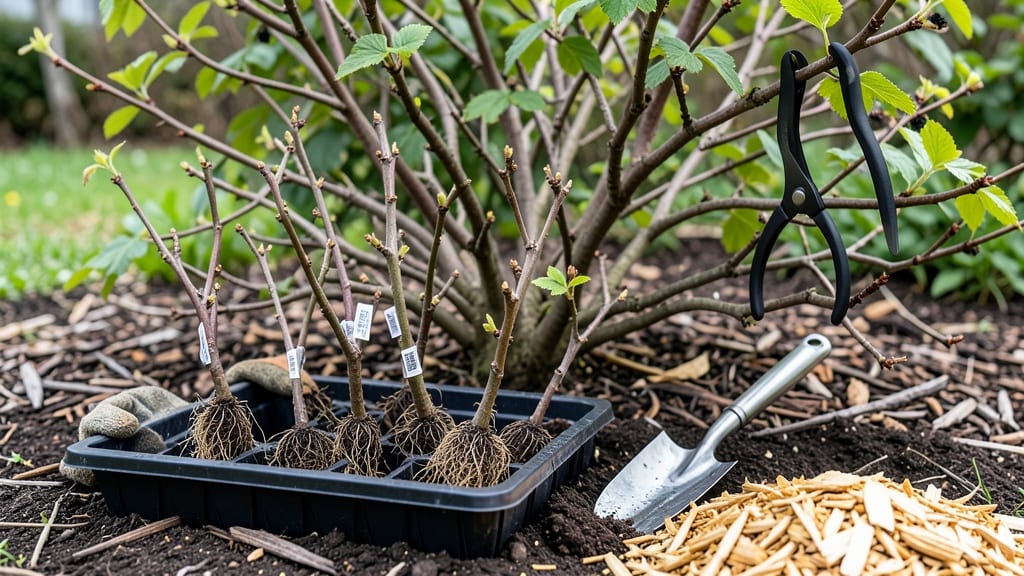
Timing your blackberry 🫐 planting in Arkansas isn't just about the calendar—it's about matching soil warmth and chill hours to your local microclimate. Plant too early, and frost will nip those tender roots. Too late, and your berries might struggle to establish before summer's brutal heat kicks in.
Most Arkansas gardeners in zones 7a-8a get it right by planting between late February and early March, when soil temperatures consistently hit 55-65°F. But there's a trickier option: fall planting in September or October, which gives roots time to settle before winter dormancy.
The key is understanding how your specific variety—whether thornless or traditional—responds to Arkansas' unique growing conditions.
Why does this matter so much? Because blackberries in Arkansas face a double challenge: 300-1,000 chill hours needed for proper fruiting, and summer heat that can stress young plants.
I'll show you how to read your local frost dates, adjust for urban heat islands, and prepare your soil so your blackberries take off like a well-timed rocket.
Let's break down exactly when to plant, which varieties thrive in your corner of Arkansas, and the simple soil prep that makes all the difference between a thriving bramble patch and a sad, scraggly failure.
Your perfect harvest starts with the right timing—and I've got the insider secrets to get you there.
Optimal Arkansas blackberry planting times by variety and climate Zone
Arkansas gardeners know timing is everything when planting blackberries—especially with our USDA zones 6-8 and unpredictable spring weather. The best planting windows focus on soil temperatures of 55-65°F and avoiding late frosts that can damage tender canes.
For most Arkansas varieties, late winter to early spring (February-March) is ideal, but fall planting (September-October) also works for established roots before winter.
Your choice between thornless varieties (Natchez, Ouachita) and traditional types (Arapaho, Chester) affects timing slightly. Thornless types often need earlier planting to establish before summer heat, while traditional varieties can handle Arkansas' hot, humid summers if planted slightly later. Always check your local last frost date (mid-March) as a guideline.
Here’s how Arkansas’ climate zones break down for blackberry planting:
| Variety Type | Best Planting Window | Soil Temp Requirement | USDA Zone Fit | Notes |
|---|---|---|---|---|
| Thornless (Natchez, Ouachita) | Late February - Early March | 55-60°F | 6b-8a | Earlier planting prevents summer stress |
| Traditional (Arapaho, Chester) | Mid-March - Early April | 60-65°F | 7a-8a | Tolerates Arkansas heat better |
| Fall Planting (All Varieties) | September - October | 60-65°F | 6b-8a | Establishes roots before winter |
For Arkansas gardeners in northern zones (6b), prioritize late February planting to avoid late frosts. In southern zones (8a), you can extend planting into early April without risking frost damage.
Always amend your soil with compost or aged manure before planting to improve drainage—Arkansas’ heavy clay soils can suffocate roots if not prepped.
Pro tip: Use a soil thermometer to confirm temperatures before planting. If soil stays below 55°F for more than a week, delay planting until conditions improve. This simple tool can save your blackberries from root rot or stunted growth.
Another Arkansas-specific consideration is microclimates. Urban areas like Little Rock may experience earlier soil warming than rural zones, while valleys might stay cooler longer. Observe your yard’s patterns for 2-3 years before committing to a planting schedule.
If you’re planting bare-root canes (the most common method in Arkansas), soak them in water for 2-4 hours before planting to reduce transplant shock. For potted plants, avoid planting when roots are circling—this happens quickly in Arkansas’ heat.
Finally, always space your blackberry canes 4-6 feet apart in rows 8-10 feet apart. This spacing accounts for Arkansas’ aggressive growth habits and makes future harvesting and pruning much easier. A well-spaced patch will also improve air circulation, reducing fungal diseases like anthracnose.
Remember: The first 30 days after planting are critical for root establishment. Keep soil consistently moist (but not waterlogged) during this period to set your blackberries up for a bountiful harvest.
How Arkansas chill hours affect blackberry growth and fruit production
Arkansas blackberries thrive when they receive the right amount of chill hours—those critical 300-1,000 hours below 45°F that trigger flowering. Without enough chill, your plants may produce fewer berries or none at all. Most Arkansas varieties, like 'Natchez' and 'Arapaho', need 500-800 chill hours for optimal fruit production.
Northern Arkansas (USDA Zone 7a) typically gets 800-1,000 chill hours, while southern regions (Zone 8a) may only reach 400-600 hours. If you're in a warmer microclimate, choose low-chill varieties like 'Ouachita' or 'Prime-Ark Freedom', which adapt better to fewer chill hours.
🌱 Pro Tip: Check your local chill hours using NOAA climate data or a home weather station. If you're unsure, plant a mix of varieties to hedge your bets against unpredictable winters.
🌡️ Chill Hour Thresholds
Most Arkansas blackberries need 500-800 chill hours. Southern Arkansas may struggle with low-chill varieties if winter temps are mild.
🌿 Variety Adaptability
'Natchez' (800+ hours) thrives in northern AR, while 'Prime-Ark Freedom' (400+ hours) works in southern zones. Thornless varieties like 'Chester' need 600+ hours.
📍 Microclimate Matters
Urban areas may have warmer microclimates with fewer chill hours. Plant near windbreaks or in shadier spots to extend chill exposure.
⏰ Adjust Planting Time
If your area has low chill hours, plant in late winter (March) to maximize cold exposure before spring growth. Fall planting works best in northern AR.
If your blackberries aren’t fruiting well, chill hours might be the culprit. Look for small buds that don’t open or flowering but no berries—these are red flags. In such cases, consider delaying pruning until after flowering to preserve existing buds.
🌿 For urban gardeners, container-grown blackberries can help regulate chill exposure. Use black pots to absorb heat during the day and release it slowly at night, mimicking cooler conditions.
Finally, keep an eye on spring temperatures. If warm spells arrive early, your blackberries may break dormancy too soon, reducing their ability to accumulate chill hours. Mulch heavily in late winter to protect roots from rapid warming.