
Plants
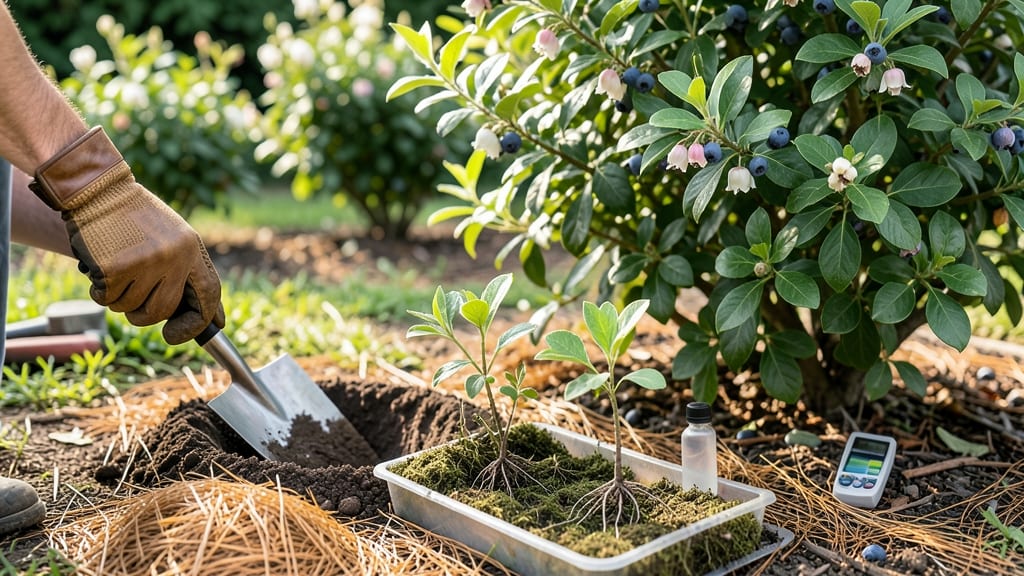
Timing your blueberry 🫐 planting in Zone 6 wrong could mean struggling for years with poor yields—or even losing your plants before they ever fruit. The sweet spot isn't just about avoiding frost; it's about matching soil temperatures, chill hours, and your local last-frost date.
Most gardeners in Zone 6a/6b wait until late April to early June to plant, but that window shifts slightly depending on your microclimate. Too early, and your young shrubs will get nipped by late frosts; too late, and they won't establish roots before summer heat sets in.
I'll walk you through exactly how to read your soil's readiness, which blueberry varieties thrive in your chill hours, and whether container-grown or bare-root plants give you the edge. Spoiler: the best time isn't always when your neighbors are digging in their first bulbs.
By the end, you'll know not just when to plant, but how to prep your soil, protect your investment, and set your blueberries up for their first bountiful harvest in mid-summer. Let's get those roots in the ground the right way.
Optimal planting windows in Zone 6 based on chill hours & soil temperature
In Zone 6, blueberries thrive when planted during their ideal window—typically between late April and early June. This timing ensures they’ve accumulated enough chill hours (600-900) to break dormancy and that soil temperatures stay above 40°F for root establishment.
Missing this window risks frost damage or poor root growth.
Blueberries require 600-900 chill hours (temperatures between 32-45°F) to produce fruit. In Zone 6, this naturally occurs during winter, but planting too early (before last frost) can kill tender roots. Use your local frost date (usually mid-April) as a guide—plant 4-6 weeks after to avoid frost.
Soil temperature is just as critical. Roots need soil at 40-50°F to establish. Test with a soil thermometer or wait until the ground thaws completely. Cold, soggy soil can suffocate roots, leading to root rot or stunted growth.
| Factor | Zone 6 Specification | Actionable Tip |
|---|---|---|
| Chill Hours Needed | 600-900 hours | Verify local chill hours via USDA Plant Hardiness Zone Map. |
| Soil Temperature | 40-50°F | Use a soil thermometer or wait until ground thaws (typically late April). |
| Last Frost Date | Mid-April (varies) | Plant 4-6 weeks after last frost for safety. |
| Ideal Planting Window | Late April–Early June | Avoid planting before May 1 unless using row covers. |
| Soil pH | 4.5–5.5 | Test soil and amend with peat moss or sulfur if needed. |
For bare-root plants, timing is even more critical. These should be planted as soon as possible after purchase (they ship dormant in winter) but no earlier than soil is workable.
Container-grown blueberries offer more flexibility—they can be planted year-round in mild winters, but spring remains ideal for Zone 6.
Fall planting is possible in Zone 6, but it’s riskier. Plant 6-8 weeks before first frost (typically by late August) to allow roots to establish before winter. However, young plants may struggle with freeze-thaw cycles, so spring planting is safer for beginners.
Use mulch (3-4 inches) after planting to insulate roots from temperature swings. Straw or pine needles work best—they retain moisture and slowly acidify the soil, mimicking blueberries’ natural acidic forest floor habitat.
If you’re unsure about your last frost date, check local weather records or use a frost calendar for your city. For example, Chicago (Zone 5b) averages frost until May 15, while Raleigh (Zone 7a) is typically frost-free by April 15. Adjust your planting date accordingly.
Pro tip: Plant multiple varieties with staggered ripening times (e.g., early 'Jersey', mid-season 'Bluecrop', late 'Duke') to extend your harvest window. This also improves pollination and fruit set.
🌱
Optimal planting windows in Zone 6 based on chill hours & soil temperature
In Zone 6, timing your blueberry planting depends on two critical factors: chill hours (600-900 hours below 45°F) and soil temperature (40-50°F). Most blueberry varieties need these chill hours to flower properly, so planting outside this window risks poor fruit production.
For example, 'Bluecrop' thrives with 800 chill hours, while 'Duke' needs just 600 hours.
Spring planting is ideal in Zone 6, typically 4-6 weeks after your last frost date (usually mid-April). This gives roots time to establish before summer heat. Fall planting is riskier but possible if you plant 6-8 weeks before first frost (mid-October) to allow root growth before winter dormancy.
Always verify your local frost dates using the USDA Plant Hardiness Zone Map or a local cooperative extension office.
Soil temperature is equally important—roots won’t thrive if planted in cold, wet soil. Use a soil thermometer to confirm temperatures are consistently above 40°F before planting. In Zone 6, this usually aligns with late April to early May. If your soil is too cold, delay planting or use black plastic mulch to warm it faster.
Blueberry Planting Timeline for Zone 6
| Stage | Action | Soil Temp | Chill Hours |
|---|---|---|---|
| Late April | Prepare soil (pH 4.5-5.5) | 40-50°F | 600+ |
| Mid-May | Plant bare-root or container-grown | 50-60°F | 700+ |
| June | Mulch heavily (3-4 inches) | 60°F+ | 800+ |
| Fall (Optional) | Plant 6-8 weeks before frost | 50-60°F | 600+ |
📅 Pro Tip: Use a soil thermometer to monitor temperatures daily if unsure.
If you’re planting bare-root blueberries, do it as soon as possible after purchase—they dry out quickly. For container-grown plants, you have slightly more flexibility but still aim for the same soil temperature window.
Avoid planting in extreme heat (above 80°F), as transplant shock becomes severe. Water deeply before and after planting to reduce stress.
For fall planting, focus on varieties like 'Jersey' (low chill needs) and prepare the site early. Amend the soil with peat moss or sulfur to maintain acidity, and mulch with pine needles or wood chips to protect roots during winter.
This method works best in Zone 6a (colder microclimates) where summers are shorter.
Finally, group blueberries with companion plants like comfrey or thyme to improve soil health and deter pests. These plants thrive in acidic conditions and add organic matter as they decompose. Always monitor your blueberries for late-season frost in June—young plants are vulnerable until fully established.