
Plants
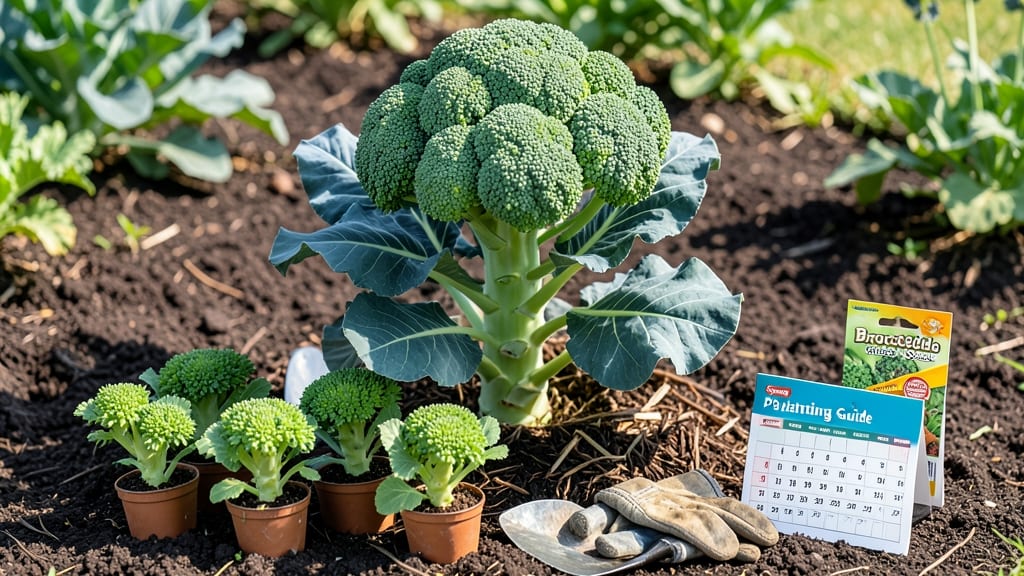
If you’ve ever planted broccoli 🥦 in Connecticut only to watch frost nip your crop before it matures, you’re not alone—and there’s a better way.
The key to a thriving harvest lies in knowing exactly when to plant broccoli in CT, accounting for the state’s unpredictable frost dates and shorter growing season.
Connecticut’s USDA zones 5b-6b mean cool springs and early falls, but with the right timing, you can still grow lush, frost-resistant varieties that thrive in these conditions.
Whether you’re planting in early spring or late summer, understanding your local frost dates and soil temperatures is the game-changer for a successful crop.
I’ll walk you through the optimal planting windows for Connecticut’s climate, including how to adjust for your specific region—whether you’re in Hartford, New Haven, or along the coast. Plus, I’ll share the best frost-hardy varieties and common mistakes to avoid so you can maximize your yield.
Ready to grow broccoli that actually makes it to harvest? Let’s get started with the exact dates and tips you need to succeed in CT’s garden.
Optimal planting dates for broccoli in Connecticut’s climate zones
Connecticut’s USDA zones 5b-6b mean your broccoli planting window is short but sweet—just 4-6 weeks before the last frost for spring, and 90-120 days before the first frost for fall.
The average last frost date hovers around mid-April, but coastal areas like New London may see frost linger until late April, while inland zones like Hartford can warm up earlier.
For spring planting, start seeds indoors 4-6 weeks before your target outdoor date (typically late March). In fall, aim for late July to early August to ensure harvests before the first frost in mid-October.
Coastal regions like Groton have slightly later frost dates, giving you a few extra weeks for fall crops.
Soil temperature is critical—broccoli thrives when soil reaches 40°F but won’t germinate below 35°F. Use a soil thermometer to confirm readiness, especially in early spring when Connecticut’s soil can stay chilly well into April. If temperatures dip unexpectedly, use row covers to protect young seedlings.
Microclimates play a huge role in CT. Hartford’s inland zones often warm up faster than New Haven’s coastal areas, so adjust your planting dates accordingly. For example, if you’re in USDA zone 6a, you might plant 2 weeks earlier than a zone 5b neighbor.
Always check your local Cooperative Extension Service for updates.
Here’s a quick reference for Connecticut’s frost-free growing season, which averages 165 days—just enough for one spring and one fall crop. If you’re eager for a second harvest, consider succession planting or fast-maturing varieties like ‘De Cicco,’ which matures in 50-60 days.
| Stage | Action | CT-Specific Notes |
|---|---|---|
| Indoor Start (Spring) | Sow seeds 4-6 weeks before last frost | Late March for Hartford, early April for coastal areas |
| Outdoor Transplant (Spring) | After last frost, when soil is 40°F+ | Use row covers if nights dip below 35°F |
| Fall Planting | Sow seeds 90-120 days before first frost | Late July for inland zones, early August for coast |
| Harvest Window | Late spring to early summer or fall | May-June (spring) or October-November (fall) |
| Soil Prep | Test pH (6.0-7.0), amend with compost | CT soil is often acidic; lime may be needed |
If you’re planting in early spring, don’t rush—cool soil slows germination. A seedling heat mat can help, but avoid overheating, which causes leggy seedlings. For fall planting, prioritize fast-maturing varieties to beat the frost.
‘Waltham 29’ is a reliable choice, maturing in 60-70 days, while ‘Calabrese’ takes 70-80 days but produces larger heads.
Pro tip: Use staggered planting every 2 weeks in spring and fall to extend your harvest. This ensures a steady supply of broccoli heads instead of a single overwhelming harvest.
For example, plant half your seeds in late March and the other half in early April for a prolonged spring crop.
Connecticut’s cooler climate actually works in broccoli’s favor—it thrives in temperatures below 80°F. If summer heat arrives early, provide afternoon shade with lightweight fabric to prevent bolting (premature flowering). This is especially important in USDA zone 6b, where summer temperatures can spike unexpectedly.
Finally, keep an eye on local weather forecasts in the days leading up to transplanting. A sudden cold snap can delay your planting by weeks. If frost threatens, use frost cloth or even old blankets to protect young plants.
With the right timing and a little preparation, you’ll enjoy homegrown broccoli from spring through fall in Connecticut’s unpredictable climate.
Optimal planting dates for broccoli in Connecticut’s climate zones
Connecticut’s USDA zones 5b-6b mean your broccoli planting window depends heavily on frost dates and microclimates. Coastal areas like New Haven often experience earlier last frosts (mid-April), while inland regions like Hartford may see frost lingering until late April.
This variation means your planting schedule should account for at least a 2-week buffer on either side.
For spring broccoli, start seeds indoors 4-6 weeks before your average last frost date. In most of CT, this translates to early March for indoor starts.
Transplant seedlings outdoors 2-3 weeks before the last expected frost, typically late April to early May. This timing ensures your plants mature before summer heat sets in.
Fall planting offers a second harvest window. Begin seeds indoors 8-10 weeks before your first frost date (usually mid-October), which means starting in late July to early August. Transplant outdoors by mid-August to allow enough time for heads to form before cold weather arrives.
| Planting Window | Action | Notes |
|---|---|---|
| Early March | Start seeds indoors | Use grow lights if natural light is limited |
| Late April | Transplant outdoors | Wait until soil temps reach 45°F |
| Late July | Start fall seeds indoors | Choose fast-maturing varieties |
| Mid-August | Transplant fall seedlings | Use row covers for extra protection |
Coastal CT gardeners can push their spring planting slightly earlier due to milder microclimates. For example, New London may see safe transplanting dates as early as late March, while northern regions like Torrington should wait until mid-May to avoid frost damage.
Always check your local CT Agricultural Experiment Station frost data for the most precise timing.
Soil temperature is just as critical as air temperature. Broccoli seeds won’t germinate well in cold soil below 45°F. Use a soil thermometer to confirm readiness before transplanting. If soil is too cold, delay planting or use black plastic mulch to warm it faster.
This simple step can mean the difference between a thriving crop and stunted growth.
For gardeners in USDA zone 6b, like those in Fairfield County, consider succession planting every 2 weeks from March through May. This staggered approach ensures a continuous harvest and maximizes your garden’s productivity. Just remember: broccoli hates heat, so avoid planting after mid-June for spring crops.
Timing your broccoli planting correctly in CT isn’t just about dates—it’s about understanding your local frost patterns and soil conditions. With these precise windows and adjustments, you’ll be well on your way to a bountiful harvest of crisp, flavorful heads all season long. 🌱