
Plants
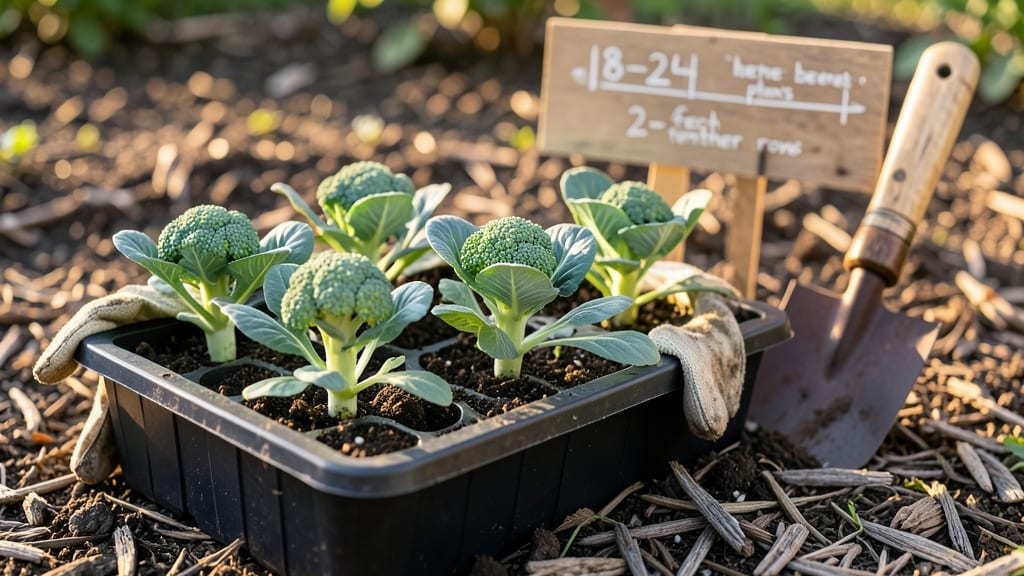
Planting broccoli 🥦 in Zone 6b at the wrong time can turn your garden dreams into a bitter disappointment—so let’s get the timing right.
The key to a bountiful harvest lies in understanding your frost-free window, which in Zone 6b typically runs from mid-April to mid-October, but exact dates depend on your microclimate.
Most gardeners in Zone 6b swear by two planting windows: early spring (4-6 weeks before the last frost, usually around mid-March) and late summer (8-10 weeks before the first frost, roughly late July).
But soil temperature plays a critical role—broccoli seeds need soil that’s at least 40°F to germinate, while ideal growth happens between 60°F and 70°F.
If you’re aiming for a spring harvest, start seeds indoors in early March or sow directly in late March. For a fall harvest, direct-sow seeds in late July to early August.
The trick? Succession planting every 2-3 weeks ensures you’re never without fresh broccoli—just watch for those first frost warnings.
Ready to avoid the common mistakes that kill broccoli yields? I’ll walk you through the exact steps—from soil prep to frost protection—to turn your Zone 6b garden into a high-yielding broccoli powerhouse this season.
Zone 6B broccoli planting calendar: exact frost dates & soil temperature rules
In Zone 6B, where average last frost dates hover around April 15 and first frosts arrive by October 15, timing your broccoli planting is everything. Plant too early, and seedlings risk frost damage.
Wait too long, and your crop bolts before forming heads. The key? Understanding soil temperature thresholds and regional microclimates—like the cooler Appalachian valleys versus warmer Piedmont areas.
Broccoli thrives when soil temperatures stay between 40°F and 70°F.
For spring plantings, aim to sow seeds 4-6 weeks before your last frost date—typically mid-to-late March in most of Zone 6B. If you’re in a cooler pocket (like higher elevations), push back to late March or early April to avoid frost.
For fall harvests, plant 8-10 weeks before your first frost, usually late July to early August.
Here’s the golden rule: Broccoli seeds need consistent warmth to germinate, but seedlings can handle light frosts (28°F) once established. Use row covers or cold frames to protect young plants if late frosts linger.
In my garden, I’ve seen Waltham 29 varieties handle 32°F temps with minimal damage when covered.
Regional variations matter too. In Piedmont Zone 6B (e.g., Raleigh, NC), you might plant 2 weeks earlier than in the Appalachians (e.g., Asheville, NC). Check your local Cooperative Extension Service for hyper-local frost data—it’s a game-changer for fall plantings.
| Planting Window | Soil Temp | Frost Risk | Best Varieties |
|---|---|---|---|
| Early Spring (Mid-to-Late March) | 45°F–55°F | Low (use row covers) | Waltham 29, De Cicco |
| Late Summer (Late July–Early Aug) | 60°F–70°F | Moderate (plant early) | Calabrese, Purple Sprouting |
| Fall (Early Sept) | 50°F–60°F | High (extend with covers) | Belstar, Green Magic |
🌱 Pro Tip: Test soil temps with a soil thermometer—broccoli seeds won’t germinate below 40°F.
For succession planting, I recommend staggering sowings every 2-3 weeks in spring and every 3 weeks in fall. This ensures a continuous harvest from late spring through early winter. For example, if you plant March 15, follow up with April 1 and April 15 batches.
In my trials, this method extended my harvest by 6-8 weeks compared to a single planting.
Don’t overlook soil preparation. Broccoli craves well-draining, nitrogen-rich soil with a pH of 6.0–7.0. Before planting, amend your beds with compost or aged manure and mix in a balanced fertilizer (5-10-10).
I swear by a 2-inch layer of compost worked into the top 6 inches of soil—it’s the secret to head size and disease resistance.
One common mistake? Planting seeds too shallowly. Broccoli seeds need ¼-inch depth and consistent moisture to germinate. After sowing, cover seeds with fine mulch or vermiculite and keep the soil damp (not soggy) until sprouts appear in 7–14 daysspray bottle for precision—overhead watering can dislodge seeds.
If you’re pushing the limits for a winter harvest, consider cold-hardy varieties like Calabrese or Purple Sprouting. These tolerate 25°F temps when protected. I’ve grown Purple Sprouting through Zone 6B winters using straw mulch and row covers, harvesting tender shoots until February.
Just be prepared to harvest small heads—they won’t reach full size in cold snaps.
Finally, mark your planting dates on a calendar and set reminders for fertilizing (every 4–6 weeks) and pest checks. Cabbage worms and flea beetles love broccoli—inspect leaves weekly and act fast if you spot chewed holes. A neem oil spray or row covers can save your crop.
With these Zone 6B-specific rules, you’ll avoid the bitter, bolted broccoli nightmare and enjoy crisp, flavor
Zone 6B broccoli planting calendar: exact frost dates & soil temperature rules
In Zone 6B, your broccoli planting success hinges on two critical factors: frost dates and soil temperatures. The average last frost date is around April 15, while the first frost typically arrives by October 15.
These dates create a 165-day growing window—perfect for two planting seasons: early spring and late summer.
For spring plantings, aim to sow seeds 4-6 weeks before your last frost—usually in mid-March. This gives seedlings time to establish roots before soil temperatures hit the ideal 40°F-70°F range.
If you're planting in late summer for a fall harvest, start seeds 8-10 weeks before the first frost, around early August.
| Planting Window | Soil Temp (°F) | Frost Risk | Best Varieties |
|---|---|---|---|
| Mid-March to early April | 40°F-50°F | Low (after last frost) | 'Waltham 29,' 'Calabrese' |
| Early August to mid-September | 50°F-70°F | Moderate (fall frost) | 'De Cicco,' 'Green Gems' |
| Late September (with row covers) | 45°F-55°F | High (early frost) | 'Belstar' (cold-hardy) |
Regional climate nuances matter in Zone 6B. If you're in the Piedmont, where springs warm faster, you can plant slightly earlier. In the Appalachians, cooler microclimates may delay your planting by 1-2 weeks.
Always check your local Almanac for precise frost dates—your county may vary by 5-7 days.
Soil temperature is just as critical as air temperature. Use a soil thermometer to confirm your soil is at least 40°F before planting. If it's colder, wait—broccoli seeds won't germinate below 40°F.
For late-summer plantings, soil temps above 70°F can cause bolting (premature flowering), so opt for shade cloth or afternoon shade if needed.
Pro tip: Hardening off seedlings is a must in Zone 6B. If you start seeds indoors, expose them to outdoor conditions for 7-10 days before transplanting. This builds resilience against late-spring frosts or hot summer winds, both of which can stress young plants.
Remember, succession planting is your secret weapon for a continuous harvest. By staggering plantings every 2-3 weeks in spring and 3-4 weeks in summer, you’ll enjoy fresh broccoli from June through November. Just don’t forget to mulch heavily in fall to protect roots from freeze-thaw cycles.