
Plants
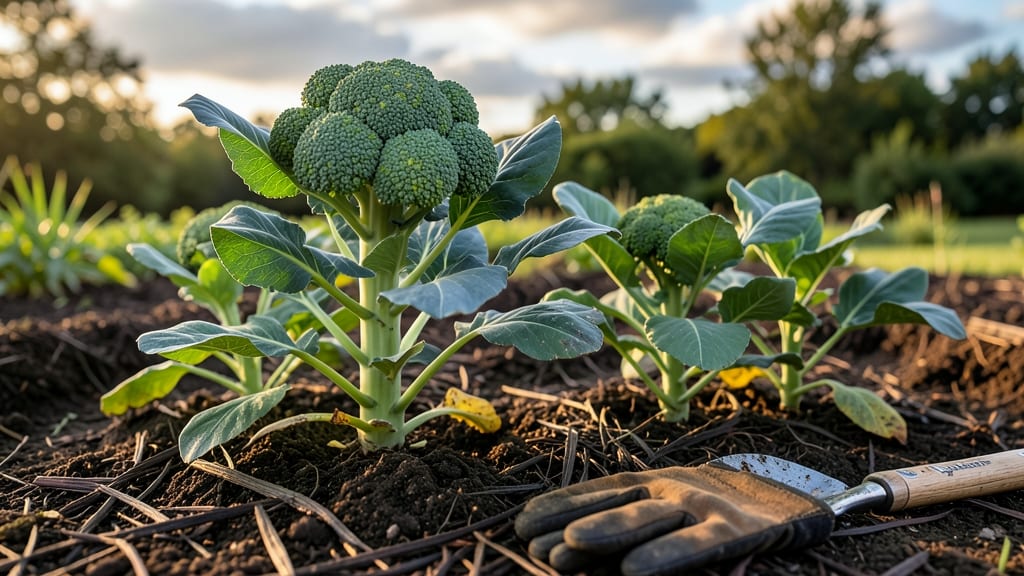
Timing is everything when it comes to growing 🥦 broccoli in Zone 9b—plant too early, and you’ll risk bolting from the heat; too late, and you’ll miss your harvest window entirely.
Unlike cooler climates, Zone 9b’s warm winters mean you’ve got a narrow but critical window to get seeds in the ground for the best results.
Most gardeners in Phoenix or Southern California deserts know the struggle: broccoli thrives in cooler temperatures, so the key is planting during the fall months when days are shorter and nights are cooler. This gives your plants time to establish roots before summer’s relentless heat arrives.
In this guide, I’ll walk you through the best months to plant broccoli in Zone 9b, which heat-tolerant varieties perform best, and how to use succession planting to extend your harvest.
Whether you’re a first-time gardener or a seasoned pro, these tips will help you avoid common pitfalls and enjoy a bountiful crop.
Let’s dive into the exact planting schedule, soil prep, and care routines that will keep your broccoli happy—even in the desert heat. You’ll be harvesting those dark green heads in no time!
Best planting months for broccoli in Zone 9b to avoid bolting
Zone 9b’s warm winters and hot summers make broccoli cultivation a delicate timing game. Unlike cooler climates, you can’t just plant in spring—heat stress causes bolting (premature flowering), ruining your harvest. The key is targeting cooler months when soil temperatures stay below 75°F (24°C).
Broccoli thrives in Zone 9b’s fall and winter windows, avoiding the summer heat entirely. My ideal planting months are October through December, with a secondary window in January for late-season varieties. This schedule aligns with natural temperature drops and ensures 60-80 days to maturity before summer arrives.
Here’s the critical timing breakdown to maximize yields while avoiding bolting:
| Planting Window | Soil Temp (°F) | Harvest Window | Key Considerations |
|---|---|---|---|
| Late September - Early October | 65-75°F (18-24°C) | December - January | Fastest growth; use shade cloth if temps rise |
| October - November | 55-65°F (13-18°C) | January - February | Optimal window; minimal bolting risk |
| December - January | 50-60°F (10-15°C) | February - March | Slow growth; protect from cold snaps below 40°F (4°C) |
| February (Late) | 55-65°F (13-18°C) | April - May | Risky; use heat-tolerant varieties only |
Zone 9b’s microclimates add another layer of complexity. Coastal areas like San Diego can handle January plantings with cooler ocean breezes, while inland deserts like Phoenix should avoid February starts unless using shade structures. Always check your 7-day soil temperature forecast—broccoli roots prefer 50-65°F (10-18°C).
For container gardening in Zone 9b, timing shifts slightly. Pots heat up faster, so I recommend planting 2-3 weeks earlier than in-ground beds. Use black fabric pots to moderate temperature swings and add 1 inch of mulch to retain moisture during 100°F+ days.
One common mistake is planting broccoli in Zone 9b’s summer. Even heat-tolerant varieties will bolt within 2 weeks when daytime temps exceed 80°F (27°C). I’ve seen gardeners try it with shade cloth, but the results are bitter, small heads at best.
Save summer for fast-maturing greens like bok choy or kale instead.
To test your soil’s readiness, bury a soil thermometer 2 inches deep at midday. If it reads above 70°F (21°C), wait 2-3 weeks or use row covers for afternoon shade.
My go-to varieties for this zone—like ‘De Cicco’ or ‘Waltham 29’—handle mild heat better than standard types.
Remember: Zone 9b’s long growing season means you can plant twice—once in fall and once in winter—for a year-round supply. Just space your plantings 4-6 weeks apart to stagger harvests.
With the right timing, you’ll enjoy crisp, flavorful broccoli from December through April—without the summer bolting nightmare.
Pro tip: Mark your calendar for the autumn equinox (September 22-23). This is my personal deadline for starting broccoli seeds indoors or ordering transplants to hit the October window perfectly. Timing is everything in Zone 9b!
Best planting months for broccoli in Zone 9b to avoid bolting
Zone 9b’s warm winters and hot summers make broccoli planting timing critical to avoid heat stress and bolting. Unlike cooler climates, you’ll skip spring planting entirely and focus on fall and winter windows when temperatures stay below 75°F.
This ensures your plants grow slowly and form tight, flavorful heads instead of shooting up to flower.
Your ideal planting window spans from mid-October through December, with a secondary window in January for late-season harvests. Soil temperatures should be between 40°F and 80°F—any warmer, and your broccoli will bolt within weeks. Use a soil thermometer to check before planting.
| Planting Window | Soil Temp (°F) | Air Temp (°F) | Harvest Timeframe |
|---|---|---|---|
| Mid-October - November | 60-75°F | 60-70°F | January - March |
| December | 50-65°F | 55-65°F | February - April |
| January | 55-70°F | 60-70°F | March - May |
For microclimates like coastal areas or shaded spots, you can push planting slightly later—even into early February. Monitor your local heat islands (urban areas trap heat) and adjust by planting in shadier spots or using 30% shade cloth during peak afternoon sun.
This extra protection buys you 2-3 extra weeks of growing time.
If you’re using container gardening, start seeds indoors 6-8 weeks before your target outdoor planting date. Zone 9b’s short winter days mean seedlings need grow lights (14-16 hours/day) to prevent legginess. Transplant seedlings outdoors after soil temperatures drop below 75°F and nighttime temps stay above 50°F.
Remember: Broccoli hates heat. If daytime temps exceed 80°F for more than 3 days, your plants will bolt regardless of variety. Use mulch (straw or wood chips) to keep roots cool and water deeply in the morning to encourage strong root growth before the heat sets in.
With these timing adjustments, you’ll avoid the common Zone 9b pitfalls—bolting, poor head formation, and wasted effort. Next, we’ll cover the top 5 heat-tolerant varieties that thrive in your climate. 🌱