
Plants
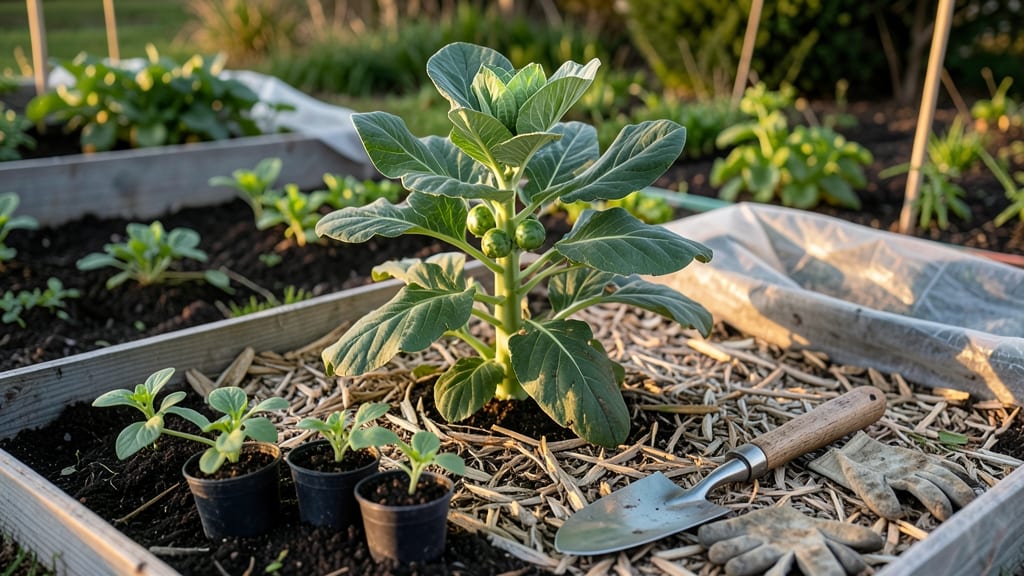
Planting Brussel sprouts 🥦 in Missouri isn’t just about the calendar—it’s about beating frost, soil warmth, and your region’s quirks. Get the timing wrong, and you’ll either lose your crop to early freezes or watch your harvest shrink before winter sets in.
Missouri’s USDA zones 5b-6b mean your last frost date can shift by weeks depending on whether you’re in St. Louis, Kansas City, or the Ozarks. The key? Planting 4-6 weeks before your first frost for a fall harvest—or risk bolting before those tiny cabbages mature.
I’ll break down the exact windows for spring and fall planting, plus how to adjust for Missouri’s unpredictable weather. Whether you’re sowing seeds or transplanting seedlings, these tips will help you maximize your 🥦 harvest from October through December.
Ready to grow a bumper crop? Let’s dive into the perfect frost-free window for your microclimate—and avoid the mistakes that ruin even the most patient gardener’s plans.
Missouri’s ideal planting windows for Brussels sprouts by region
Brussels sprouts thrive in Missouri’s cool fall weather, but the perfect planting window shifts dramatically from northern to southern regions. Missouri spans USDA zones 5b-7a, meaning St. Louis (zone 6a) enjoys a longer growing season than Kansas City (zone 6b) or Columbia (zone 6a).
The key? Planting 4-6 weeks before your first frost for a fall harvest, or 8-10 weeks before frost for winter harvests.
Missouri’s last average frost dates range from April 15 in northern areas (like Sedalia) to April 25 in southern regions (like Poplar Bluff).
For fall planting, aim for late July to early August—this gives plants 90-120 days to mature before first frost, which typically hits October 15-25.
Here’s the breakdown: Northern Missouri (zones 5b-6a) has the shortest season, so focus on early-maturing varieties like 'Long Island Improved' (85 days). Central Missouri (zone 6a) can handle mid-season varieties like 'Ruby Ball' (95 days), while Southern Missouri (zone 6b-7a) can push late-season varieties like 'Tonus' (105 days) for extended harvests.
Direct-sowing is best for spring plantings (mid-March to mid-April), but transplanting seedlings works better for fall. Seedlings need 4-6 weeks to harden off before going into the ground. Soil temperature must stay above 45°F for germination—wait until mid-April in northern areas or early April in southern zones.
| Region | USDA Zone | Spring Planting Window | Fall Planting Window | Last Frost Date | Recommended Variety |
|---|---|---|---|---|---|
| Northern MO (e.g., Sedalia) | 5b-6a | Mid-March to April 15 | Late July to August 1 | April 15 | Long Island Improved (85 days) |
| Central MO (e.g., Columbia) | 6a | Early April to April 20 | July 20 to August 5 | April 20 | Ruby Ball (95 days) |
| Southern MO (e.g., Poplar Bluff) | 6b-7a | Late March to April 25 | July 30 to August 10 | April 25 | Tonus (105 days) |
🌱 Pro Tip: Check your local Missouri Climate Center for 5-year frost averages—they vary yearly!
For spring plantings, start seeds indoors 6-8 weeks before your last frost date. In northern Missouri, this means mid-January sowing for early April transplanting. Southern Missouri gardeners can wait until late February for the same timeline. Use biodegradable pots to avoid transplant shock when moving seedlings outdoors.
Fall plantings require more precision—aim for 75-90 days before your first frost. In St. Louis, this translates to July 20-August 5, while Kansas City can push to August 10. Overheating is the biggest risk in late summer; provide light shade during 90°F+ days to prevent bolting.
Missouri’s alkaline soils (pH 6.5-8.0) can stunt Brussels sprouts. Test your soil and amend with peat moss or sulfur to reach pH 6.0-7.0. Add 2-3 inches of compost at planting time for nutrient-rich soil. Well-draining beds prevent rot, especially in clay-heavy northern Missouri soils.
Finally, succession planting every 2 weeks in fall extends your harvest. In Central Missouri, for example, plant July 20, August 5, and August 20 for staggered sprouts. This ensures a continuous harvest from October through December, even if early frosts hit.
Missouri’s microclimates mean your neighbor’s perfect planting
Missouri’s ideal planting windows for Brussels sprouts by region
Missouri’s USDA zones 5b-6b create distinct planting zones, so your Brussels sprout timing depends heavily on location. Northern Missouri (like Kansas City) has earlier frosts than Southern Missouri (St. Louis), shifting your window by 2-3 weeks.
Always check your local last frost date—aim for 4-6 weeks before that date for a fall harvest.
For spring planting, Missouri’s soil temperature must reach 45°F (7°C) consistently. Northern regions can start as early as mid-March, while Southern areas wait until late March to early April.
Fall planting? Start late July to early August—this gives plants enough time to mature before first frost (typically mid-October in Northern MO).
Direct sowing is best for Brussels sprouts—they hate transplanting. If you’re using seedlings, harden them off for 7-10 days before planting. For direct seeds, sow ½ inch deep and space 18-24 inches apart—they’ll need room to grow 2-3 feet tall.
| Region | Last Frost | Spring Planting | Fall Planting | Soil Temp |
|---|---|---|---|---|
| Northern MO (Kansas City) | April 15 | Mid-March | Late July | 45°F+ |
| Central MO (Columbia) | April 22 | Late March | Early August | 45°F+ |
| Southern MO (St. Louis) | April 29 | Early April | Mid-August | 45°F+ |
Missouri’s alkaline soils (pH 7.0-8.0) can stunt growth, so amend soil with peat moss or compost to lower pH to 6.0-6.8. A soil test before planting saves headaches later. For container gardening, use well-draining potting mix—Brussels sprouts hate soggy roots.
Pro tip: Succession plant every 2 weeks in spring/fall for a continuous harvest. Choose heat-tolerant varieties like 'Ruby Ball' for Southern MO’s hot summers. Always mulch to retain moisture—Missouri’s dry spells can stress young plants.
Missouri’s unpredictable weather means flexibility is key. If late frosts hit, use row covers to protect seedlings. For fall harvests, aim to pick before hard frosts (28°F or below), or the sprouts turn woody.
With the right timing, you’ll enjoy homegrown Brussels sprouts from October through December.