
Plants
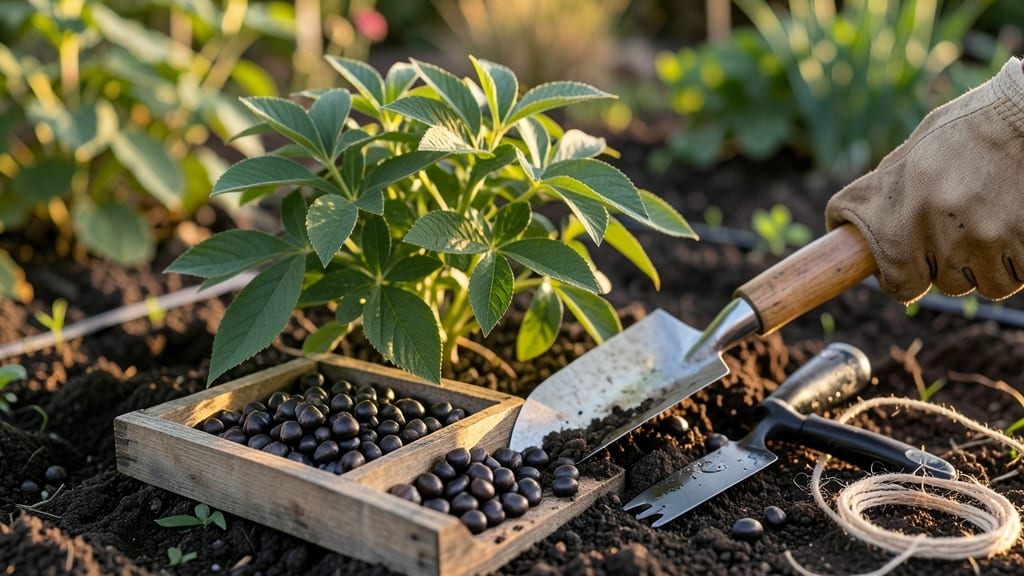
Planting buckwheat at the wrong time in North Carolina could mean missing out on its fast harvests and pollinator-friendly benefits.
This hardy annual thrives when planted between late March and early September, but timing varies dramatically depending on whether you're growing it for grain, greens, or as a cover crop.
In the Piedmont region, where USDA zones 6a-8b create ideal conditions, buckwheat 🌾 loves the warm soil of May and June. Coastal areas can plant slightly earlier, while mountain growers should wait until after the last frost—usually mid-April—to avoid cold damage.
The key is planting when soil temperatures hit 60°F and there are 60-90 days left in the growing season.
Why does timing matter so much? Buckwheat grows aggressively—reaching 1-3 feet in just 60 days—but it needs consistent warmth to produce quality grain or establish strong roots as a cover crop. Plant too early, and you risk frost damage; too late, and your harvest window shrinks dramatically.
Let me show you exactly how to align your planting schedule with North Carolina's climate zones, soil conditions, and regional variations—so you can enjoy faster yields and healthier plants all season long.
Best planting months for buckwheat in North Carolina by region
North Carolina’s diverse climate—from the Coastal Plain to the Mountains—means buckwheat planting times vary dramatically. Timing directly impacts whether you’ll harvest grain, greens, or pollinator-friendly blooms.
For most NC gardeners, the ideal window spans from late March to early September, but regional microclimates shift these dates by weeks.
In the Coastal Plain (USDA Zones 8a-8b), buckwheat thrives when planted as early as March 15, taking advantage of warmer soils.
Meanwhile, in the Piedmont (Zones 7a-7b), wait until April 1 to avoid late frosts. Mountain regions (Zones 6a-6b) should delay until May 1 to ensure soil warmth and frost-free growth.
Soil temperature is critical—buckwheat germinates best when soil reaches 60°F (15°C). Use a soil thermometer to confirm readiness, especially in cooler zones. Planting too early risks poor germination, while delaying past July may limit harvest time before frost.
Here’s how to align buckwheat planting with NC’s three distinct regions for optimal yields:
| Region | USDA Zone | Last Frost Date | Ideal Planting Window | Harvest Window |
|---|---|---|---|---|
| Coastal Plain | 8a-8b | March 15 | March 15 – August 15 | June – October |
| Piedmont | 7a-7b | April 1 | April 15 – July 31 | July – September |
| Mountains | 6a-6b | May 1 | May 15 – August 1 | August – September |
For grain production, prioritize planting in April or May to ensure a full 60-90 day growth cycle before frost.
If growing buckwheat as a cover crop, plant in late summer (August-September) to capture nutrients before winter. Pollinator-friendly varieties benefit from staggered plantings in June and July to extend nectar availability.
NC’s humidity and summer heat can stress buckwheat if planted too late. Aim to finish planting by early August in the Coastal Plain and mid-July in the Mountains to avoid reduced yields. Succession planting every 2-3 weeks in spring ensures a continuous harvest.
Soil pH also plays a role—buckwheat prefers 6.0-7.0. Test your soil before planting, especially in acidic Mountain regions, where liming may be needed. Well-draining soil is a must to prevent root rot, common in Coastal Plain areas with heavy clay.
Pro tip: Use black plastic mulch in cooler regions to warm soil faster and extend the planting season by 2-3 weeks. This is especially useful in the Piedmont, where spring soils can be slow to warm.
Finally, monitor local weather forecasts for unexpected cold snaps. In 2023, late-May frosts in the Mountains delayed buckwheat growth by 3 weeks—a lesson in flexibility for NC gardeners. Adjust planting dates if early-season forecasts predict unseasonable cold.
How to time buckwheat planting for maximum yield and pollinator benefits
Timing your buckwheat planting isn't just about avoiding frost—it's about syncing with NC's wildflower blooms and extending harvest windows. Plant too early, and you risk premature bolting from cool soils. Too late, and summer heat stress cuts yields.
The key is strategic planting that aligns with pollinator activity and your specific goals—whether you're growing for grain, greens, or cover crop benefits.
For maximum pollinator benefits, aim to plant buckwheat when native wildflowers are fading. This creates a continuous nectar source for bees and butterflies. In the Piedmont region, this typically means late May to early June.
Coastal areas can start slightly earlier, while mountain zones may need to wait until June. This timing also helps prevent seed shattering before other crops finish blooming.
Buckwheat thrives in warm soil temperatures (60°F+), which is why late spring plantings (May-June) often yield the best results. However, for succession planting, you can make a second planting in early July to extend your harvest into early fall.
This works especially well in USDA Zone 7b-8a areas where summers are long and hot.
One of my favorite strategies is using buckwheat as a living mulch between rows of slower-growing crops. Plant it in late June alongside tomatoes or peppers—it'll suppress weeds while providing nitrogen fixation and attracting beneficial insects.
Just be sure to harvest or mow before seed set if you don't want volunteer plants next year.
For grain production, the sweet spot is planting when soil temperatures hit 60°F consistently. In most of NC, this falls between mid-April and early May for the main crop.
If you're growing buckwheat for pollinator support specifically, consider planting in early July to bridge the gap when other flowers are scarce. This late planting also helps avoid Japanese beetle infestations, which are more common on early-season plantings.
Remember that buckwheat's 60-90 day growth cycle means you can fit multiple plantings into NC's growing season. By staggering plantings every 3-4 weeks from May through July, you can create a continuous harvest window from July through October.
This approach works particularly well for small-scale farmers looking to maximize their pollinator-friendly acres while ensuring a steady grain supply.