
Plants
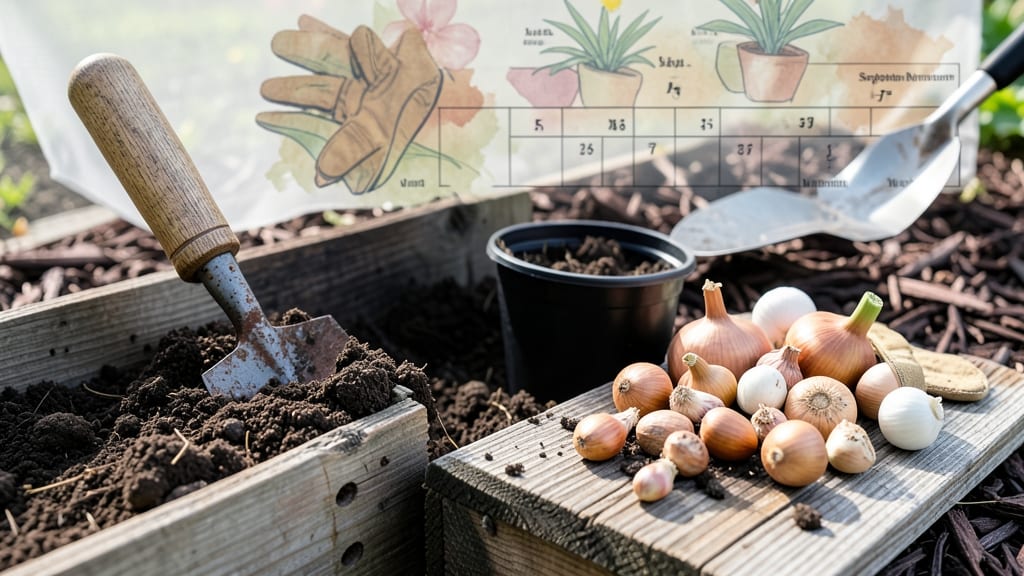
Planting your spring flowering bulbs 🌷 at the wrong time in Indiana could mean waiting another year for those bright tulips and fragrant daffodils to burst through the snow. The key to vibrant blooms isn't just what you plant, but when—and Indiana's shifting frost dates make timing everything.
Most gardeners in zones 5b-6b know fall planting is ideal, but did you know even a few weeks too early or late can stunt root growth? I'll show you exactly when to plant—from September's cooler soil to November's first frost—plus how to adjust for Indiana's unpredictable weather patterns.
Whether you're prepping for early spring color or dealing with urban heat islands that push planting windows later, these zone-specific tips will help you avoid common mistakes. Let's get those bulbs in the ground at the perfect moment so you're rewarded with a show-stopping display next April.
You'll also discover why some bulbs (like crocuses) break the rules entirely, and how to handle late frosts that might catch you off guard. Ready to transform your garden with foolproof timing?
Indiana bulb planting calendar: months by hardiness Zone (5-7)
Indiana’s hardiness zones 5-7 create a unique window for planting bulbs, where timing can mean the difference between vibrant spring blooms and wasted bulbs. Most spring-flowering bulbs—like tulips, daffodils, and hyacinths—need to be planted in fall (September-November) to establish roots before winter.
Summer-blooming bulbs, such as dahlias and cannas, follow a different schedule and are planted in spring (March-April).
Your USDA zone in Indiana determines the exact months you should plant. For example, gardeners in Zone 5b (northern Indiana) have a shorter window than those in Zone 7a (southern Indiana).
The general rule is to plant bulbs 6-8 weeks before the ground freezes, allowing roots to grow but not the foliage. This usually lands in late September to early November for most of the state.
Here’s a quick reference for Indiana’s planting zones and ideal months:
| Zone | Ideal Planting Months | Bulb Types | Soil Temp |
|---|---|---|---|
| 5b (Northern IN) | Late September - Mid-October | Tulips, Daffodils, Hyacinths | 40-50°F |
| 6a (Central IN) | Mid-September - November | Alliums, Crocuses, Snowdrops | 45-55°F |
| 7a (Southern IN) | October - Early December | Dahlias, Canna Lilies, Gladiolus | 50-60°F |
Spring planting is also an option for bulbs like dahlias and cannas, which thrive when planted after the last frost in March or April. These bulbs need warm soil to sprout, so wait until the ground temperature reaches 60°F or higher.
Use a soil thermometer to check—this is especially critical in Zone 5b, where frosts can linger into May.
For spring-blooming bulbs, aim to plant them 4-6 weeks before the first hard frost. In Indiana, this typically means mid-September to early October for most regions.
If you miss the fall window, you can still plant in early spring (March), but the blooms may be smaller or delayed. Daffodils and alliums are more forgiving in this scenario, while tulips may struggle with inconsistent growth.
Pro tip: Use a planting calendar or local frost date guide (like the Old Farmer’s Almanac) to fine-tune your timing. For example, in Zone 6a, you might plant tulips in late October if the soil stays workable, but daffodils can handle slightly later planting due to their hardiness.
If you’re in urban Indiana, microclimates near buildings or pavement can affect soil temperature. Test your soil with a thermometer—ideal planting conditions are when the soil is 50-60°F and consistently cooling. This often happens in late September or early October, depending on the year’s weather patterns.
For summer-blooming bulbs, like dahlias, wait until the danger of frost has passed entirely. In Zone 7a, this could be as early as mid-March, while Zone 5b may need to wait until late April.
These bulbs need warmth to activate growth, so don’t rush—planting too early can lead to rot in cold soil.
Remember, well-draining soil is non-negotiable for bulbs. Amend heavy clay soil with compost or sand to prevent rot, especially in low-lying areas where water pools. Mulch with 2-3 inches of straw or leaves after planting to protect bulbs from freezing and thawing cycles.
🌱
Best fall planting months for spring blooms in Indiana (and why timing matters)
Fall is the golden window for planting spring-flowering bulbs in Indiana, but timing is everything. Most gardeners aim for September through November, but your exact deadline depends on your hardiness zone and local frost patterns.
In Zone 5b, you have until mid-October, while Zone 6b gardeners can plant until early November. The key is to plant 6-8 weeks before the ground freezes, giving bulbs time to root before winter dormancy.
Why does timing matter? Bulbs need 4-6 weeks of cool soil temperatures (below 60°F) to establish roots. Planting too early (like July) can cause premature sprouting, while waiting until December leaves bulbs vulnerable to frost heave or rodent damage.
Indiana’s unpredictable frosts make this window even trickier—always check your local USDA frost date as a backup.
Fall Planting Warning
Planting bulbs too early (before September 1st) risks rot or sprouting in warm soil. Too late (after November 15th) leaves them exposed to freeze-thaw cycles, causing bulbs to push out of the ground. Use a soil thermometer—ideal temps are 50-60°F.
Pro tip: If you miss the fall window, spring planting is possible for hardy varieties like daffodils or alliums, but expect smaller blooms the first year.
Adjust your schedule based on your Indiana microclimate. Urban areas (like Indianapolis) often experience earlier frosts than rural zones, so plant 2-3 weeks earlier than the general guideline. For northern Indiana (Zone 5b), aim for mid-September; southern Indiana (Zone 6b) can stretch until early November.
Always plant bulbs 3x deeper than their height—this protects them from temperature swings and rodent nibbling.
Don’t let rain or muddy soil delay your planting! Bulbs can handle light rain, but avoid working with soggy ground. If your garden stays wet, opt for container planting or wait until soil dries.
For heavy clay soils (common in Indiana), mix in compost or sand to improve drainage. This prevents root rot and ensures bulbs get the oxygen they need to thrive.
Once planted, mulch heavily (3-4 inches) with straw or shredded leaves to insulate bulbs from winter temperature swings. Remove mulch in early spring to prevent suffocating sprouts. Remember, well-established bulbs (planted correctly in fall) will reward you with larger, more vibrant blooms next spring—worth the wait!
For first-time Indiana gardeners, start with daffodils or tulips—they’re the most forgiving and rodent-resistant. If you’re eager to experiment, hyacinths and crocuses also thrive with proper fall planting.
Just mark your calendar for September 15th as your absolute deadline—after that, your bulbs may not survive the winter.