
Plants
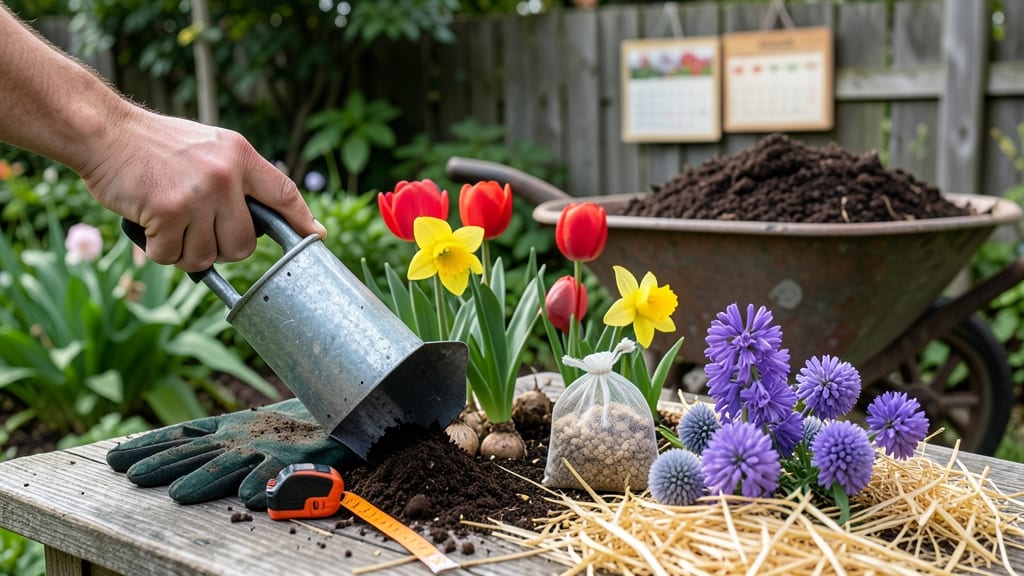
Planting your Spring Flowering Bulbs 🌷 at the wrong time in Kansas could mean the difference between a show-stopping spring garden and bulbs that never bloom. The key to success lies in understanding your county’s frost dates—because those 6-8 weeks before the first freeze are your golden window.
In Kansas’ USDA Zones 5b-7a, fall planting typically runs from September through November, but exact deadlines vary dramatically between Wichita’s warmer climate and Kansas City’s earlier freezes. Miss the mark, and you risk bulbs rotting in soggy soil or freezing before they establish roots.
I’ve spent years perfecting my timing, and what I’m about to share will help you avoid the most common mistakes—like planting too early when the soil’s still too warm or too late when the ground hardens. You’ll also discover which cold-hardy varieties thrive best in Kansas’ unpredictable winters.
Ready to transform your garden into a springtime explosion of color? Let’s dive into the exact planting schedule your county needs, plus soil prep secrets that’ll make your bulbs stronger than ever.
Kansas county frost dates: exact months to plant bulbs by region
Planting bulbs in Kansas requires precision—miss the window, and you risk frozen bulbs or late blooms. The USDA Hardiness Zones 5b–7a across Kansas mean your county’s first frost date can vary by weeks.
For example, Kansas City (Zone 6a) typically sees its first frost around October 20, while Wichita (Zone 7a) might wait until November 5. Timing is everything!
To ensure success, aim to plant fall-blooming bulbs 6–8 weeks before the ground freezes. This usually lands between mid-September and mid-November, depending on your location. Spring-blooming bulbs can wait until March–April, but don’t delay past your last frost date—typically mid-April in most of Kansas.
Here’s a quick reference for your county’s frost dates and ideal planting windows:
| Region | USDA Zone | First Frost | Planting Window |
|---|---|---|---|
| Northeast KS (e.g., Atchison) | 5b | October 15 | September 15–October 15 |
| Central KS (e.g., Manhattan) | 6a | October 20 | September 20–November 1 |
| Southwest KS (e.g., Wichita) | 7a | November 5 | October 1–November 15 |
| Southeast KS (e.g., Pittsburg) | 6b | October 25 | September 25–October 30 |
*Dates are averages—check your local National Weather Service for yearly updates.
Pro tip: Use a soil thermometer to confirm the ground is below 60°F before planting—this signals it’s safe for bulbs to settle in. In Zone 5b, this often happens by mid-October, while Zone 7a areas may wait until late October.
For spring-planting bulbs like dahlias, wait until the soil warms to 60°F (usually March–April in Kansas). Planting too early risks rot from cold, wet soil—a common mistake in clay-heavy Kansas soil.
If you’re unsure about your county’s exact frost dates, bookmark the Kansas State University Extension’s frost chart or use the Almanac’s Frost/Freeze Calculator. These tools adjust for microclimates, like urban areas (e.g., Kansas City) that may stay warmer longer than rural zones.
Remember: Fall planting is critical for bulbs like tulips and daffodils—they need 6–8 weeks of cold to bloom. Planting in November risks bulbs sprouting too early and freezing. Spring-planted bulbs (like gladiolus) can wait until after the last frost but need well-draining soil to avoid rot.
Check your county’s frost dates annually—they shift slightly due to climate change. For example, Wichita’s first frost has crept later by 3–5 days over the past decade. Stay ahead of the curve to enjoy vibrant spring blooms year after year! 🌷
Best fall bulbs for Kansas gardens: cold-hardy varieties that thrive
Kansas’s USDA Zones 5b-7a demand bulbs that handle freeze-thaw cycles and clay-heavy soil. My top picks are daffodils, tulips, and crocuses, which bloom early and resist deer. These varieties thrive in Kansas’s dry spells and unpredictable winters—perfect for gardeners who want low-maintenance color.
For early spring blooms, Tête-à-Tête tulips and Ice Follies daffodils are my go-tos. They’re dwarf varieties (6–12 inches tall) ideal for rock gardens or container planting. In Zone 7a (southeast Kansas), you can even plant hyacinths and alliums, which add height and texture to borders.
🌱 Top Bulbs for Kansas Gardens
Tulips: 8/10 drought, 7/10 deer-resistant, 9/10 hardy
Crocuses: 7/10 drought, 8/10 deer-resistant, 10/10 hardy
Plant daffodils 6 inches deep and 6 inches apart—they’re deer-proof and perennial, meaning they’ll return year after year. Tulips, however, need well-draining soil; amend Kansas’s clay soil with compost or sand to prevent rot.
For late spring color, try Allium ‘Purple Sensation’, which blooms in May-June and attracts pollinators.
Native Kansas bulbs like wild hyacinth (Camassia) and prairie crocus (Crocus vernus) are low-water and adaptable to Kansas’s dry summers. They’re perfect for native gardens or wildflower meadows.
Always plant bulbs 3 times as deep as their diameter—this protects them from freezing temperatures and rodent damage.
If you’re in Zone 5b (northwest Kansas), opt for late-blooming tulips like ‘Darwin Hybrid’ varieties, which handle earlier frosts. In Zone 7a, you can experiment with spring-planted bulbs like gladiolus or canna lilies for summer color.
Just remember: fall planting is critical for spring blooms—don’t wait until November!
For container gardens, choose smaller bulbs like miniature daffodils or grape hyacinths. These thrive in pots with drainage holes and can be moved to protect from harsh winters. Mulch containers with straw or leaves to insulate roots during Kansas’s cold snaps.
My final tip? Plant in clusters of 10-15 bulbs for a dramatic display. Group purple alliums with yellow daffodils for a striking contrast. With the right bulb selection and planting timing, your Kansas garden will burst into color year after year—no frost worries required! 🌷