
Plants
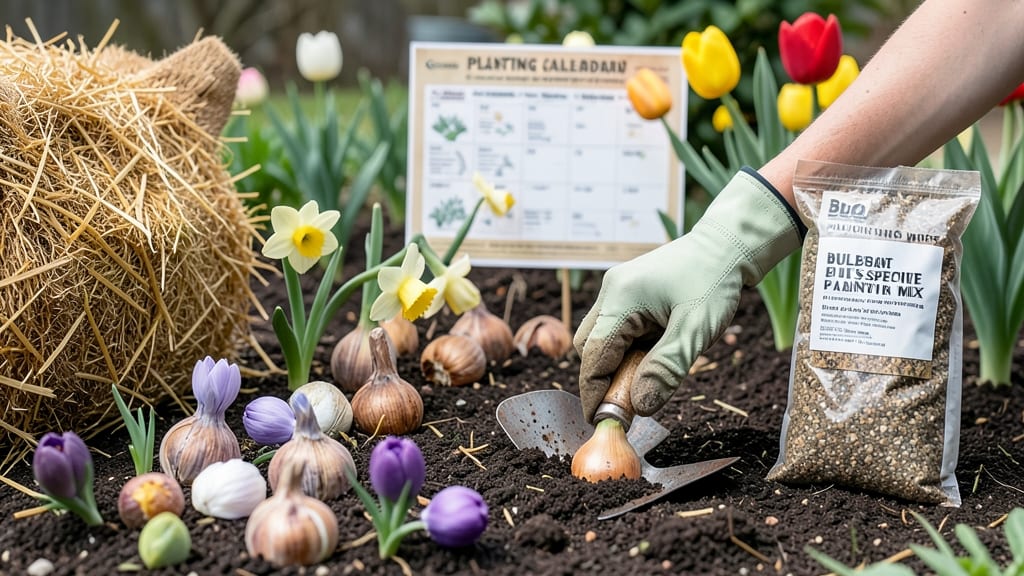
Planting bulbs in Oklahoma at the wrong time can turn your spring garden dreams into a muddy mess—literally. Whether you're in zone 6b near the Panhandle or zone 8a in southern Oklahoma, timing matters more than you might think.
The key is getting those 🌷 beauties in the ground 6-8 weeks before frost, usually between September and November, so they establish roots before winter.
But here's the catch: not all bulbs follow the same schedule. Tulips and daffodils love that fall window, while some varieties like crocuses can handle winter planting. I'll break down the exact months for each type so you don't end up with wilted blooms or wasted effort.
Plus, I'll share Oklahoma-specific tips to beat our unpredictable weather—because nobody wants soggy soil or frozen bulbs.
You'll also discover how to prep your soil, plant at the right depth, and care for your bulbs through Oklahoma's wild temperature swings. Trust me, these simple adjustments make all the difference between a stunning spring display and a gardening flop.
Let's get those bulbs in the ground the right way.
Ready to turn your yard into a colorful spring paradise? The best time to plant is now—before the first frost hits. I'll walk you through every step so you can enjoy blooms that'll make your neighbors jealous. Let's make this your best gardening season yet!
Best months to plant bulbs in Oklahoma’s hardiness zones 6-8
Oklahoma’s diverse hardiness zones (6a-8a) mean your planting window for bulbs can vary by 4-6 weeks, depending on where you live. In northern Oklahoma (zones 6a-6b), like around Oklahoma City, the ground often freezes by mid-November, so you’ll want to plant bulbs by early October.
Meanwhile, in southern Oklahoma (zones 7b-8a), like near Tulsa or Lawton, you can plant as late as mid-November without risking frost damage.
Most bulbs—like tulips, daffodils, and crocuses—should be planted in fall to establish roots before winter. However, winter-blooming varieties, such as paperwhites or some hyacinths, can also be planted in January-February for a late-winter show.
The key is to plant 6-8 weeks before the first hard frost, which typically hits Oklahoma between mid-November and early December.
Pro Tip: Check your local USDA hardiness zone and monitor frost dates using resources like the National Weather Service or Old Farmer’s Almanac. For example, Norman (zone 7a) has a later frost date than Enid (zone 6b), so adjust your timeline accordingly.
Here’s a quick breakdown of the ideal planting months for Oklahoma’s zones:
| Zone | Best Planting Months | Key Considerations |
|---|---|---|
| 6a (e.g., Woodward) | September 15 – October 15 | Early frost risk; prioritize cold-hardy bulbs like daffodils and crocuses. |
| 6b (e.g., Oklahoma City) | September 20 – October 30 | Balanced window; tulips and alliums thrive here. |
| 7a (e.g., Norman) | October 1 – November 15 | Later frost dates; extend window for winter-blooming bulbs. |
| 7b (e.g., Tulsa) | October 15 – December 1 | Mild winters; can plant late-season bulbs like paperwhites in January. |
| 8a (e.g., Lawton) | November 1 – December 15 | Warmest zone; focus on heat-tolerant bulbs like dahlias or canas. |
For spring planting, which is less common but works for tender bulbs like caladiums or cannas, wait until after the last frost, typically mid-April in northern Oklahoma and early April in the south.
These bulbs need warm soil to sprout, so don’t rush—wait until the ground temperature stays above 60°F.
Another critical factor is soil temperature. Bulbs like tulips and hyacinths need cool soil (50-60°F) to root properly. If you plant too late, the soil may stay too warm, causing the bulbs to sprout prematurely and get damaged by frost.
Use a soil thermometer to monitor conditions if you’re unsure.
In urban areas, like Oklahoma City or Tulsa, microclimates can create warmer pockets near buildings or sidewalks. If your yard is in one of these spots, you might need to plant 2-3 weeks earlier than the general guidelines to avoid overheating before winter sets in.
Conversely, rural areas with colder nights may allow for a slightly later planting window.
Finally, don’t forget to prepare your soil before planting. Oklahoma’s clay-heavy soil can be slow-draining, which is a recipe for rotten bulbs. Amend the soil with compost or sand to improve drainage, and consider adding a layer of mulch after planting to insulate bulbs during winter.
This step is especially important in low-lying areas where water pools.
With these zone-specific guidelines and a little advance planning, you’ll be well on your way to a show-stopping spring display—no gardening gamble required! 🌷
Best months to plant bulbs in Oklahoma’s hardiness zones 6-8
Oklahoma’s diverse hardiness zones (6a-8a) mean your bulb planting schedule should align with your specific location. In northern Oklahoma (zones 6a-6b), the first frost typically arrives by November 15, while southern Oklahoma (zones 7a-8a) may see frost as late as December 15.
This timing shift affects when you should plant fall-blooming bulbs like tulips and daffodils.
For most Oklahoma gardeners, the ideal planting window is between mid-September and mid-November. This 6-8 week window before the ground freezes gives bulbs time to establish roots. Spring-planting bulbs, like summer-blooming dahlias, should go in the ground by January-February once the soil warms above 50°F.
Zones 6a-6b (Northern OK) have the shortest window—plant bulbs by October 15 to avoid frost damage. Zones 7a-8a (Southern OK) can plant up to November 30, but aim for October for best results. Urban areas like Oklahoma City (zone 7a) often have earlier frosts than rural areas, so adjust accordingly.
| Zone | Ideal Planting Month | Frost Date | Best Bulbs |
|---|---|---|---|
| 6a (Northern OK) | September 15 - October 15 | November 15 | Tulips, Daffodils, Crocuses |
| 6b (Central OK) | September 20 - October 30 | November 1 | Hyacinths, Alliums, Snowdrops |
| 7a (Oklahoma City) | October 1 - November 15 | December 15 | Daffodils, Tulips, Iris |
| 7b (Southern OK) | October 15 - December 1 | December 31 | Crocuses, Grape Hyacinths, Lilies |
| 8a (Southeast OK) | November 1 - December 15 | January 15 | Dahlias, Cannas, Gladiolus |
If you miss the fall window, spring planting is still an option for heat-loving bulbs like dahlias and callas. Plant these in January-February once the soil temperature rises above 50°F.
However, spring-planted bulbs may not perform as well as those established in fall due to shorter root development time before summer heat arrives.
For container gardening, follow the same timing rules but use well-draining pots and plant bulbs deeper than in-ground (8-10 inches deep). Containers warm up faster, so adjust watering to prevent drying out. Mulch heavily in fall to protect bulbs from temperature fluctuations.
Always check your local USDA zone map and historical frost dates for your specific Oklahoma county. Microclimates—like urban heat islands or elevated gardens—can shift frost dates by weeks, so observe your garden’s unique conditions. Mark your calendar and plant bulbs early for the most vibrant spring blooms!