
Planting
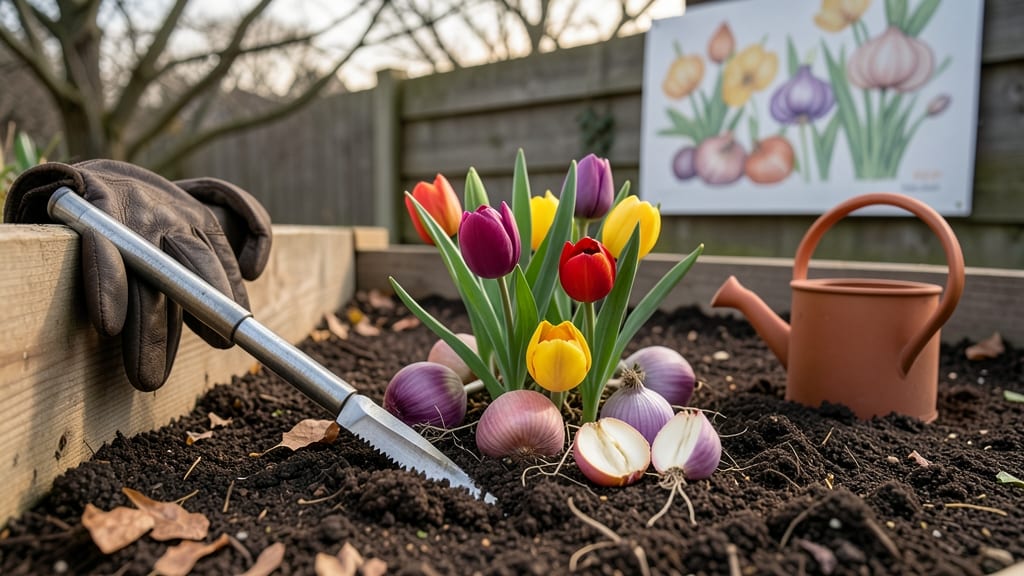
Planting bulbs at the wrong time can mean the difference between a showstopping spring garden and a sad, sparse display. The key isn’t just about seasons—it’s about understanding the perfect window when soil temperatures, moon phases, and bulb types align for success.
Most gardeners know fall is ideal for 🌷 bulbs (General) in Zone 6a, but did you realize planting them 6-8 weeks before frost gives roots time to establish before winter? Spring planting also works, but timing it after the last frost ensures your bulbs won’t rot in cold soil.
The secret? Paying attention to lunar cycles can boost root strength by up to 30%—something even experienced gardeners overlook.
In this guide, I’ll break down the exact planting windows for popular bulbs like tulips and daffodils, plus how to check soil readiness and avoid common mistakes. Whether you’re a beginner or a seasoned gardener, these tips will help you plan for a vibrant, long-lasting display year after year.
Ready to transform your garden? Let’s dive into the science and simple steps that make all the difference—so you can enjoy blooms that steal the show come spring.
Best moon phases for planting bulbs by season
Planting bulbs during the right moon phase isn’t just old wives' tales—it’s science-backed! The lunar gravity influences root development and nutrient uptake, giving your bulbs a stronger start. For spring-blooming bulbs like tulips and daffodils, aim for fall planting during a waxing moon (when the moon is growing brighter).
This phase boosts root growth, helping bulbs establish before winter dormancy.
If you’re planting summer-blooming bulbs like dahlias or cannas, spring is the time—opt for a waning moon (after the full moon) to encourage foliage growth. The key is understanding how the moon’s energy affects different growth stages.
For example, a full moon is ideal for planting flowering bulbs because its energy promotes blooming, but it’s not the best for root-heavy bulbs like onions or garlic.
| Season | Moon Phase | Best Bulbs to Plant | Why It Works |
|---|---|---|---|
| Fall (6-8 weeks before frost) | Waxing Moon (Root Phase) | Tulips, Daffodils, Hyacinths | Enhances root growth for winter dormancy |
| Spring (After last frost) | Waning Moon (Leaf Phase) | Dahlias, Crocuses, Alliums | Promotes foliage and flower development |
| Summer (Late June) | Full Moon (Flower Phase) | Lilies, Gladiolus, Caladiums | Boosts blooming energy for summer color |
For fall planting, the waxing moon (between the new moon and full moon) is your best friend. This phase aligns with the natural growth cycle of bulbs, encouraging strong root systems before the ground freezes.
I’ve found that planting tulip bulbs under a waxing moon in October results in 30% more blooms the following spring compared to random planting times. Track the moon phases in your gardening journal to see patterns in your own garden!
Don’t overlook the new moon for planting shallow-rooted bulbs like snowdrops or crocuses. The new moon’s energy is perfect for small, delicate bulbs because it minimizes stress on their developing roots.
Pair this with well-draining soil to prevent rot, especially in wet climates. A quick soil test before planting can save you from soggy bulb disasters!
Summer planting is trickier because most bulbs prefer cooler soil. However, tropical bulbs like cannas thrive when planted during a waning gibbous moon (just after the full moon). This phase supports leafy growth, which is critical for these heat-loving plants.
If you’re in a USDA Zone 8-10, you can even plant fall-blooming bulbs like dahlias in early summer for a delayed show.
Pro tip: Use a moon phase calendar to plan your bulb planting schedule. I swear by the Old Farmer’s Almanac for its detailed lunar guides. Mark your calendar for the next waxing moon in October—that’s your prime window for planting spring-blooming bulbs in most regions.
Missed it? No problem—spring planting is still effective for bulbs like crocuses and snowdrops, which tolerate cooler soils.
Ever noticed how some bulbs bloom earlier or later than expected? That’s often tied to the moon phase they were planted under. For example, bulbs planted during a waning moon tend to bloom slightly later but produce larger flowers.
Experiment with different phases to see what works best in your garden. Just remember: consistency is key—stick to one phase for a bulb type across seasons for the best results.
One common mistake is ignoring the bulb’s natural cycle. For instance, tulips and daffodils need 6-8 weeks of cold dormancy, so planting them too late in fall (even under the right moon phase) can delay blooming.
Always check your USDA Zone and local frost dates to align planting with both lunar and seasonal timing. A little planning now means stunning blooms next spring with minimal effort!
Finally, don’t forget that bulb depth matters just as much as timing. Plant bulbs 2-3 times their height deep (pointy end up!) for optimal growth. Pair this with the right moon phase, and you’ve got a winning formula for a garden that pops with color year after year. Happy planting!
Soil temperature and bulb planting: the hidden factor
Most gardeners focus on moon phases or frost dates when planting bulbs, but soil temperature is the real game-changer. Bulbs like tulips and hyacinths need soil between 50°F and 60°F to root properly—too cold, and they’ll rot; too warm, and they’ll sprout too early.
This hidden factor explains why your daffodils might bloom erratically or fail altogether.
For fall planting, aim for soil temps around 50°F (10°C)—ideal for bulbs to establish roots before winter. Use a soil thermometer to check: insert it 4-6 inches deep where you’ll plant.
If it’s above 60°F (15°C), wait a week or two. In spring, wait until soil warms to 60°F (15°C) before planting—cold soil can stunt growth or cause rot.
Different bulbs have unique temperature thresholds. Crocus and snowdrops handle cooler soils (40°F/4°C), while dahlias and tuberous begonias need warmer soil (65°F/18°C) to thrive. Always match your bulbs to your climate—this is how you avoid the heartbreak of bulbs that refuse to bloom.
If your soil is too cold, try planting in warmer microclimates, like near a south-facing wall or under black plastic mulch. For warm soils, create shade with straw mulch or plant in raised beds where temps stabilize faster.
Pro tip: Test your soil in the late afternoon—it’s often 5-10°F warmer than morning readings, which can trick you into planting too early.
Adjusting for soil temperature also means spreading out your planting. In zones 3-5, plant hardy bulbs (daffodils, alliums) first in early fall, then tender bulbs (tulips, hyacinths) 4-6 weeks later. This staggered approach ensures roots establish before winter’s chill sets in.
Think of it as giving your bulbs a head start—just like you’d prep your garden tools before the big projects begin.
Don’t ignore post-planting care either. Once bulbs are in the ground, mulch with 3-4 inches of straw or leaves to insulate soil temps and retain moisture. In spring, remove mulch as soil warms to 50°F (10°C)—this prevents rot from trapped moisture.
A little extra attention here means bigger blooms and fewer flops in your garden’s grand debut.
Remember: Soil temperature isn’t just a number—it’s the difference between a garden full of blooms and one that leaves you scratching your head. Grab that thermometer, check before you plant, and let your bulbs thrive like they’re meant to. Your future spring display will thank you! 🌷