
Plants
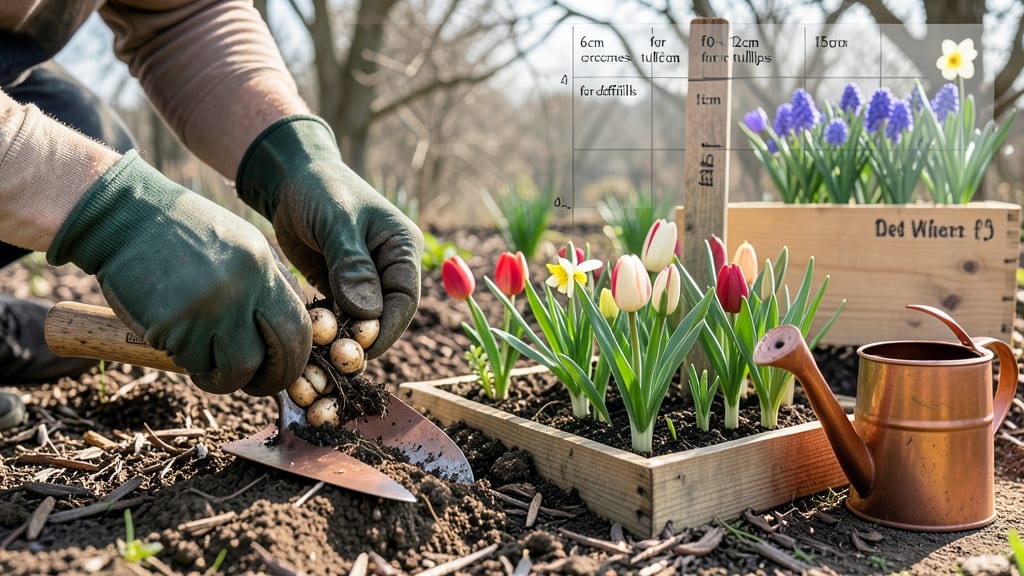
Planting spring bulbs at the wrong time can mean the difference between a garden bursting with 🌷 tulips and daffodils and a sad, empty flowerbed.
The secret to perfect blooms lies in understanding your climate zone and soil conditions—because timing isn’t just about the season, it’s about the science behind when your bulbs wake up.
If you’ve ever wondered why some gardeners get vibrant spring color while others struggle, the answer likely comes down to when they plant.
In Zone 6a, where many gardeners live, the ideal window opens just after the last frost—usually around mid-March—but the exact moment depends on soil temperature and local weather patterns. Get it right, and you’ll enjoy months of color; get it wrong, and you might miss the bloom entirely.
I’ll walk you through the exact steps to determine the perfect planting window for your region, including how to prepare your soil and avoid common mistakes that even experienced gardeners make.
Whether you’re a beginner or a seasoned pro, these tips will help you create a perfect spring display year after year.
From choosing the right bulbs to knowing when to stop watering, this guide covers everything you need to ensure your garden doesn’t just survive the spring—it thrives. Let’s get your bulbs in the ground at the right time for the most stunning blooms possible.
Spring bulb planting calendar by USDA climate zones: exact months for success
Most gardeners focus on fall bulb planting, but spring-planted bulbs like tulips and daffodils can thrive too—if you time it right. The key is aligning your planting with soil temperatures and last frost dates, which vary wildly across USDA zones 3-10.
In my Zone 5 garden, I’ve learned that waiting until mid-April ensures bulbs avoid rot while still establishing roots before summer heat.
For cooler climates (Zones 3-5), aim to plant spring bulbs 2-4 weeks after your last frost date. In warmer zones (Zones 6-10), you’ve got a slightly longer window—late February to early March—but don’t wait past mid-April or risk stunted growth.
My Zone 7 neighbors swear by planting in February to beat the heat, while their Zone 9 counterparts delay until March to avoid early-season drought.
Soil temperature is your secret weapon. Most spring bulbs need soil that’s at least 50°F (10°C) before planting. Use a soil thermometer to check—if it’s colder, wait. I once planted hyacinths in March when the soil was still 45°F (7°C), and they barely sprouted.
Lesson learned: patience pays off for stronger roots and bigger blooms.
Here’s the zone-by-zone breakdown you’ve been waiting for, including ideal months, soil temp thresholds, and regional tweaks for Pacific Northwest vs. Deep South timing.
| USDA Zone | Ideal Planting Window | Soil Temp Threshold | Last Frost Date | Regional Notes |
|---|---|---|---|---|
| 3-4 (Cold Climates) | Late April to early May | 50°F (10°C) | May 1-15 | Wait for consistent warmth; mulch heavily. |
| 5-6 (Temperate) | Mid-April to late April | 50°F (10°C) | April 15-30 | Plant tulips first—they’re frost-hardy. |
| 7-8 (Warm) | Late February to March | 55°F (13°C) | March 1-15 | Avoid drought stress—water deeply. |
| 9-10 (Hot) | January to early February | 60°F (16°C) | January 15-31 | Use shade cloth to protect bulbs. |
In Zone 6, where I garden, I’ve found that mid-April is my sweet spot for daffodils and alliums. But last year, I experimented with early March planting for tulips and got two weeks earlier blooms—just be prepared to water more frequently during dry spells.
Pro tip: Test your soil’s drainage before planting. Bulbs rot in soggy soil, and spring’s unpredictable rains can turn your garden bed into a swamp.
Don’t overlook microclimates—your south-facing slope might warm up 2 weeks earlier than your north-facing shade garden. I once planted hyacinths in March on my sunny patio but had to delay the shady border until April 15.
Pay attention to where frost lingers longest in your yard, and plant those areas last.
For summer-blooming bulbs like dahlia tubers or canna rhizomes, the rules shift—these need to go in after all frost
5 Critical signs your spring bulbs are ready to plant (and 3 mistakes to avoid)
Planting spring bulbs at the right time ensures strong roots and vibrant blooms. But how do you know when they’re truly ready? Look for these 5 key signs before digging in. The last frost date is just the starting point—soil temperature and bulb condition matter just as much.
First, check your soil temperature. Most spring bulbs thrive when soil reaches 50-60°F (10-15°C). A simple soil thermometer (or even your finger—if it feels cool but not freezing) can tell you if conditions are ideal.
Planting too early in cold soil risks rot, while waiting too long may delay blooming.
Next, examine the bulbs themselves. Healthy bulbs should feel firm and plump, with no soft spots or mold. If you see shriveled or sprouting bulbs, they’re either too dry or already stressed. Store them in a cool, dark place until conditions improve.
🌱 Pro Tip: Test your soil’s drainage by digging a hole and filling it with water. If it drains within an hour, your soil is ready. Slow drainage? Amend with compost or sand to prevent bulb rot.
Watch the weather forecast for a stretch of mild, dry days. Bulbs need time to establish roots before rain or frost hits. If your area has unpredictable spring weather, err on the side of waiting—bulbs can sit in dry soil for weeks without harm.
Finally, consider the bulb type. Some, like daffodils, tolerate cooler soil, while tulips prefer warmer conditions. Check the back of your bulb packaging for specific guidance. Layering bulbs (planting deeper varieties first) also extends your bloom season.
By combining these signs—soil temp, bulb health, drainage, weather, and bulb type—you’ll plant at the perfect moment for a show-stopping spring garden. Avoid these 3 mistakes, and your bulbs will reward you with years of color.