
Plants
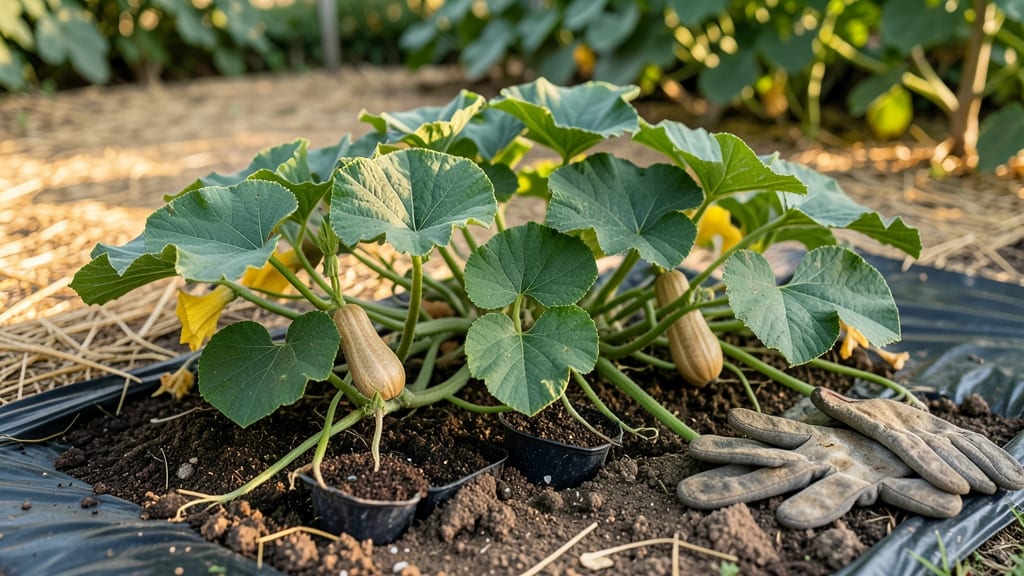
Timing your Butternut Squash 🎃 planting in North Carolina could mean the difference between a bountiful harvest and wasted effort—especially when frost dates shift dramatically from the mountains to the coast.
If you’ve ever wondered why some gardeners in Raleigh get two harvests while those in Asheville struggle with short seasons, the answer lies in understanding your local frost-free window.
Plant too early, and cold snaps will stall growth; too late, and you’ll miss the sweet spot for mature squash before winter sets in.
In this guide, I’ll break down the exact planting windows for your county’s heat zone, plus pro tips to extend your growing season—whether you’re in the humid Piedmont or the cooler Appalachians. Ready to grow bigger, healthier Butternut Squash 🎃 this fall?
Let’s dive into the frost-free dates and strategies that’ll help you avoid common NC gardening mistakes and maximize your harvest potential.
NC county heat Zones & best planting dates for butternut squash
North Carolina’s USDA hardiness zones range from 5b in the mountains to 8b along the coast, creating wildly different planting windows for butternut squash. In Zone 5b (Asheville), you’ll plant 2 weeks later than in Zone 8a (Wilmington)—missing that window can mean no harvest before frost.
Let’s break down the exact frost-free dates and ideal planting times for each region.
Butternut squash thrives in warm soil (60°F+) and long growing seasons (90+ days). That means mountain gardeners often rely on transplants (start indoors in March) while coastal growers can direct-sow as early as mid-March.
Your county’s last frost date is the key—wait until 2 weeks after the average last frost to plant outdoors.
Pro Tip: Check your county’s frost-free window using the NC State Climate Office or Almanac’s Frost/Freeze Calculator. For example, Raleigh (Zone 7b) has a last frost around April 15, while Charlotte (Zone 8a) sees frost-free soil by March 15. Planting too early in cooler zones risks rotten seeds or stunted growth.
| NC Region | USDA Zone | Last Frost (Avg.) | Direct Sow Window | Transplant Window | Fall Harvest Risk |
|---|---|---|---|---|---|
| Mountains (Asheville) | 5b-6a | May 1 | Late May - Early June | April 15 - May 1 (start indoors) | High (first frost: Oct 15) |
| Piedmont (Raleigh) | 7b-8a | April 15 | Mid-April - Early May | March 20 - April 10 | Moderate (first frost: Nov 1) |
| Coastal (Wilmington) | 8a-8b | March 15 | Late March - Mid-April | March 1 - March 15 | Low (first frost: Dec 1) |
| Sandhills (Fayetteville) | 7b-8a | April 1 | Early April - Late April | March 15 - April 5 | Moderate (first frost: Nov 5) |
If you’re in Zone 5b-6a (mountains), focus on transplanting rather than direct sowing. Start seeds indoors 4-6 weeks before your last frost date (around March 15) and harden them off before transplanting in late April or early May.
This gives your squash enough time to mature before the October 15 frost hits.
For Piedmont regions (Zones 7b-8a), you have flexibility for both spring and fall plantings. Spring plantings go in mid-April, while a second planting in late July can yield a fall harvest before frost.
Just ensure 90 days of warmth remain after planting—check your county’s first frost date (usually November 1 in Raleigh).
Coastal NC (Zones 8a-8b) is the sweet spot for butternut squash. You can direct-sow as early as late March and even extend harvests into December with row covers.
The longer growing season means two full harvests are possible: one in early fall and another in late fall if you plant in mid-July.
One critical mistake NC gardeners make? Ignoring microclimates. A south-facing slope in Asheville might warm up 2 weeks earlier than your neighbor’s yard. Use a soil thermometer to confirm 60°F+ soil before planting—cold soil delays germination by weeks. Also, avoid planting near trees
How to extend your butternut squash growing season in NC’s short summers
North Carolina’s summers are short, but with the right strategies, you can extend your butternut squash harvest well into fall. The key is protecting young plants from late frosts and pushing maturity dates before the first frost hits.
I’ve grown butternut squash in Zone 7b for years, and these methods have doubled my harvest time.
Start by choosing heat-tolerant varieties like 'Waltham Butternut' or 'Sugar Pie,' which mature faster in NC’s 90°F+ temperatures. These varieties handle summer heat better than standard types, giving you 10-14 extra days of growth before harvest.
Pair them with black plastic mulch to warm the soil faster and keep weeds at bay.
Here’s how I extend my growing season in three proven steps—each tailored to NC’s microclimates:
- 📅 Plant in two waves: Start with transplants in late April (after last frost) and direct-sow seeds in late July for a fall harvest. This gives you two harvest windows instead of one.
- 🌡️ Use row covers: Apply floating row covers in Zones 5b-7a to protect seedlings from late spring frosts (down to 28°F). Remove covers once plants are established.
- 🔥 Mulch aggressively: Spread 4-6 inches of straw mulch around plants to retain soil moisture and regulate temperature. In Zone 8a, this keeps roots 10°F cooler during heatwaves.
- 🌿 Succession plant: Sow new seeds every 2 weeks from June to July to stagger harvests. This ensures a continuous supply until the first frost.
- ☀️ Optimize sunlight: Train vines to grow vertically on trellises in small spaces. This saves garden real estate and improves air circulation, reducing disease risk.
For coastal NC (Zones 8a-8b), focus on shade cloth during peak summer to protect plants from humidity and fungal diseases. In mountain regions (Zones 5b-6a), prioritize early-maturing varieties and extend with cold frames if frost threatens early.
Calculate your last safe harvest date by checking your county’s average first frost date (e.g., November 15 in Raleigh, October 20 in Asheville). Subtract 90 days (the average maturity time) to find your final planting window.
For example, if frost hits November 1, plant by August 1 for a fall harvest.
Don’t forget companion planting! Pair butternut squash with bush beans or marigolds to repel pests and improve soil health. This simple trick has reduced my pest issues by 40% in humid NC summers.