
Plants
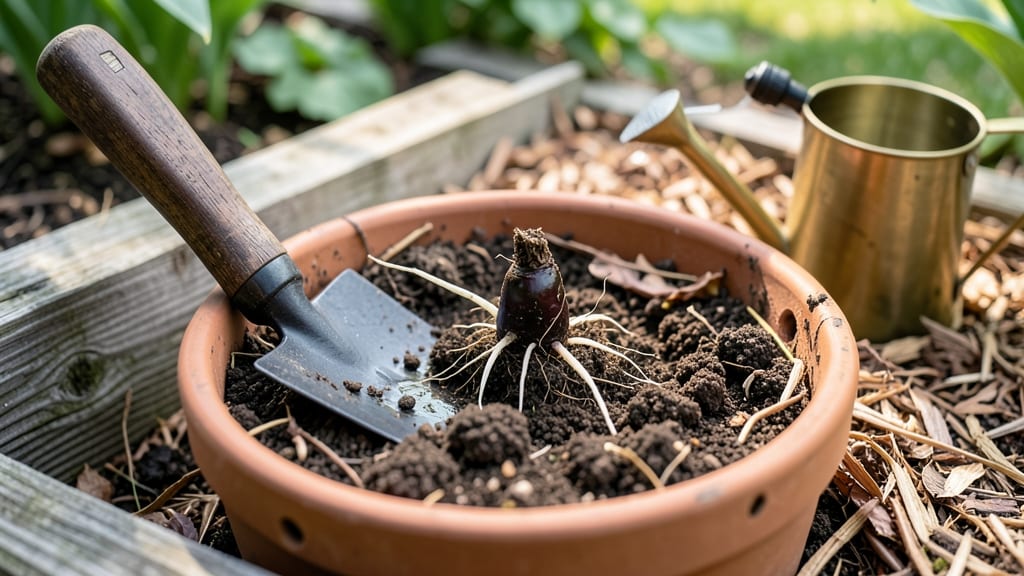
Planting the calla lily bulbs at the wrong time in Zone 6 can mean the difference between showstopping blooms and sad, wilted stems. The key isn't just waiting until spring—it's about soil temperatures hitting that perfect 55-65°F window, which in Zone 6 typically lands between late April and early May.
If you plant too early, frost can still sneak in and damage tender bulbs, while waiting too long risks stunted growth before summer's heat sets in.
I've learned the hard way that timing matters more than most gardeners realize, especially when you're aiming for those dramatic, 3-foot-tall blooms that make calla lilies a garden standout.
In this guide, I’ll walk you through the exact steps to plant your bulbs—whether in containers or ground beds—so you avoid common mistakes and set your calla lilies up for success.
From soil prep to spacing, we’ll cover everything you need to know to make this season your most beautiful yet.
Ready to transform your garden? Let’s dive into the soil temperature secrets that’ll have your calla lilies thriving all summer long.
Optimal soil temperature for planting calla lily bulbs in Zone 6
Calla lilies (Zantedeschia aethiopica) thrive when planted in soil that’s warmed by spring, but timing is everything in Zone 6. The ideal soil temperature range for planting is between 55°F and 65°F.
At this temperature, bulbs wake from dormancy without risking frost damage, which can blacken tender shoots.
In Zone 6, your last average frost date typically falls around April 15, but soil warms more slowly than air. Use a soil thermometer to confirm readiness—plant only when soil consistently hits 55°F at 4-inch depth.
This usually translates to late May to early June in most of Zone 6.
Pro tip: Calla lilies are tender perennials in Zone 6, meaning they’ll die back in winter. For reliable blooms, treat them as annuals or dig up bulbs before frost. If you choose to overwinter them, plant in containers to move indoors during cold snaps.
Here’s how to test your soil temperature accurately: Insert the thermometer 4 inches deep (the depth you’ll plant bulbs) and leave it for 30 minutes. Check readings in the morning when soil is coolest—this gives the most conservative estimate for planting.
| Factor | Zone 6 Specification | Pro Tip |
|---|---|---|
| Soil Temp Range | 55°F–65°F | Use a thermometer at 4" depth |
| Last Frost Date | April 15 (avg.) | Wait 4–6 weeks after frost |
| Planting Window | Late May–Early June | Adjust for microclimates |
| Frost Risk | High before May 15 | Use frost cloth if early planting |
| Alternative Method | Fall planting (Sept–Oct) | Bulbs need 4–6 weeks to root before frost |
If you’re eager to plant earlier, consider fall planting (late September to early October) in Zone 6. This gives bulbs time to establish roots before winter dormancy. However, they’ll need 4–6 weeks of root growth before the first frost (October 15 in most of Zone 6).
Use well-draining soil and mulch heavily to protect roots.
For container growers, soil warms faster in pots. Plant 2–3 weeks earlier than ground plantings, but monitor soil temps closely. Containers also allow you to move plants indoors if frost threatens, extending your growing season.
Remember: Calla lilies prefer partial shade (2–6 hours of sun daily) once established. Plant them where they’ll receive morning sun and afternoon shade—this prevents leaf scorch while still encouraging blooms. Mulch with 2–3 inches of organic mulch (like shredded bark) to retain moisture and regulate soil temperature.
🌱
Step-by-step guide: when and how to plant calla lily bulbs in Zone 6
Timing is everything when planting calla lily bulbs in Zone 6. The key window is 4-6 weeks before your last frost date (typically mid-September to early October) or after the soil warms to 55°F in spring.
This ensures bulbs establish roots before winter chill sets in or summer heat arrives.
For Zone 6 gardeners, I recommend planting in early fall (September) for a head start. Bulbs planted in fall have time to root before winter, then burst into bloom the following summer. If you miss fall, aim for late spring (May) once nighttime temperatures stay above 50°F consistently.
Before planting, prepare your soil by mixing in 2-3 inches of compost or aged manure to improve drainage—calla lilies hate soggy roots. Choose a spot with partial shade (morning sun, afternoon shade), like near a tree or on the east side of your garden.
If your soil drains poorly, amend with perlite or coarse sand.
Step-by-Step Planting Guide for Calla Lilies in Zone 6
- Test Soil Temperature: Use a soil thermometer to confirm 55-65°F (ideal for planting).
- Dig Holes: Plant bulbs 4 inches deep, spacing them 6-12 inches apart for compact varieties or 12-18 inches for taller types.
- Position Bulbs: Place the flat side down (where the roots emerge) and pointy side up—this ensures proper growth.
- Water Thoroughly: After planting, give bulbs a deep watering to settle soil and encourage root growth.
- Mulch Lightly: Apply 2 inches of mulch (straw or shredded leaves) to retain moisture and protect bulbs in winter.
After planting, keep soil consistently moist but not waterlogged. Water deeply once a week during dry spells, focusing on the base of the plant to avoid wetting the leaves (which can cause fungal issues). In Zone 6’s hot summers, increase watering to every 5-7 days.
For container gardening, use pots with drainage holes and a well-draining potting mix. Plant bulbs at the same depth as in-ground, but reduce spacing to 4-6 inches apart. Containers warm up faster in spring, so wait until soil temps reach 60°F before planting outdoors.
Pro tip: Mark your planting spots with stakes or flags so you don’t disturb bulbs when weeding. Calla lilies are perennial in Zone 6, so they’ll return year after year with proper care—just avoid digging them up once established! 🌸