
Plants
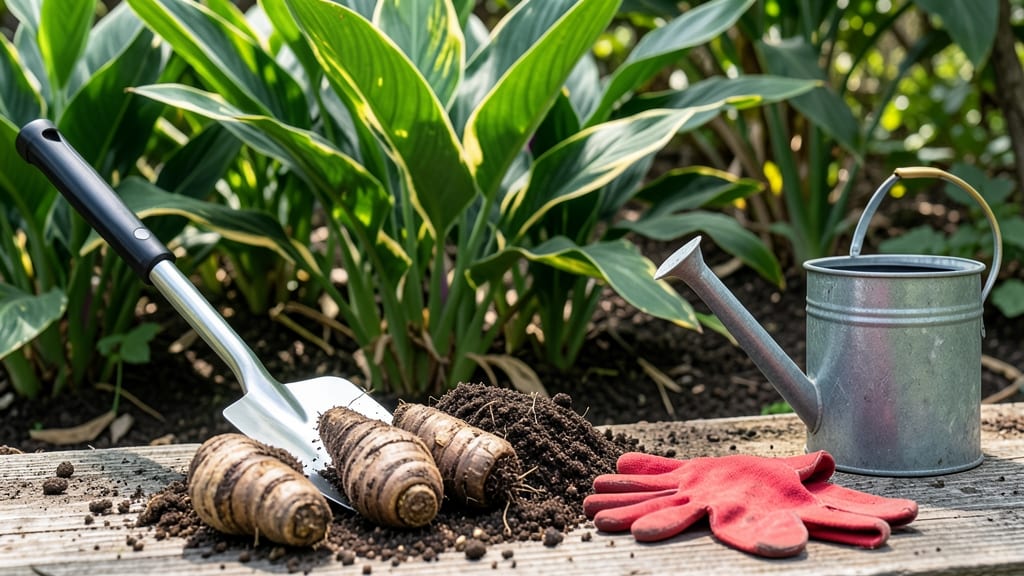
Planting canna bulbs at the wrong time in Texas means either watching them wither in a late frost or struggling to bloom before the brutal summer heat sets in.
The perfect window for your 🌺 canna depends on your zone—whether you're in North Texas (where frost lingers until March) or South Texas (where the ground warms by February).
Most Texas gardeners swear by planting after the last frost date, typically between March and April, but there’s a trick for fall blooms too. If you time it right in August or September, you can enjoy vibrant cannas well into October before the first frost hits.
The key? Waiting until the soil reaches at least 60°F—any earlier, and your rhizomes risk rotting.
I’ve learned the hard way that rushing cannas into cold soil is a one-way ticket to disappointment. But don’t wait too long either—planting in May or later might mean smaller blooms or stunted growth before the heat peaks.
Here’s how to nail the timing, zone by zone, so your cannas thrive from spring to fall.
Ready to unlock zero-frost, show-stopping blooms? Let’s break down the exact dates, soil prep tips, and Texas-specific varieties that handle our extreme heat like pros. Your garden’s summer spectacle starts with the right planting window.
Texas heat Zones for canna bulbs: planting by USDA Zone & frost dates
Texas’s diverse climate means canna bulbs can be planted year-round in some areas, but timing is critical to avoid frost damage in cooler zones or heat stress in southern regions.
The state spans USDA Zones 6a–10b, with frost-free dates ranging from February 15 in North Texas to January 1 in South Texas. Understanding your zone ensures your cannas thrive without wasting time or risking failure.
For example, gardeners in Zone 8a (Dallas) should wait until mid-March after the last frost, while those in Zone 10a (Houston) can plant as early as late February or even August for fall blooms.
The Texas A&M AgriLife Heat Zone Map is your best tool—it accounts for microclimates like urban heat islands or shaded gardens where frost may linger longer.
Here’s how to use the map: Locate your zip code to find your frost-free window. Most Texas gardeners plant cannas 4–6 weeks before the last frost (typically March–April) for summer blooms.
In Zones 9–10, you can also plant in late summer (August–September) for fall color before the first frost hits.
Pro tip: If you’re in Zone 7b or cooler, treat cannas as annuals and plant after April 15 to avoid spring frosts. For Zones 8–10, you can push planting to late April for slightly delayed but still vibrant blooms.
Just be prepared to mulch heavily to protect rhizomes from unexpected cold snaps.
Mistakes to avoid: Planting too early in North Texas (Zones 7–8) can lead to rotten rhizomes if a late frost hits. Conversely, planting too late in South Texas (Zones 9–10) may result in reduced bloom time before summer’s peak heat.
Always check the 10-day forecast before planting to dodge these pitfalls.
🌱
| USDA Zone | Last Frost Date | Ideal Planting Window | Fall Planting? | Notes |
|---|---|---|---|---|
| 6a–7a (Panhandle) | March 15–April 1 | April 15–May 1 | No | Treat as annuals; mulch heavily. |
| 7b–8a (Dallas/Fort Worth) | February 15–March 1 | March 15–April 1 | No (risk of frost) | Wait for soil to warm to 60°F. |
| 8b–9a (Austin/San Antonio) | January 15–February 1 | February 15–March 15 | Yes (August–September) | Can overwinter in containers. |
| 9b–10a (Houston/Galveston) | December 1–January 1 | January 15–February 15 | Yes (August–September) | Plant year-round; blooms year-round. |
| 10b (South Texas) | None (tropical) | January–March or August–October | Yes (year-round) | Best for heat-tolerant varieties. |
Beyond USDA zones, Texas’s microclimates play a huge role. For instance, elevated areas in Hill Country (Zone 8a) may frost later than low-lying valleys in East Texas (Zone 8b). To adapt, use local weather stations (like Texas A&M’s AgriLife Extension) or ask neighbors with established canna gardens.
If you’re unsure, err on the side of planting later—cannas are forgiving and will bounce back if slightly delayed.
For container gardeners, timing is even more flexible. You can start cannas indoors 6–8 weeks before the last frost and transplant them outside once soil temperatures hit 60°F.
This gives you a 2-week buffer against unexpected frosts. Just ensure your containers have drainage holes to prevent rhizome rot in Texas’s heavy clay soils.
🌿
Remember: Soil temperature matters more than air temperature. Use a soil thermometer to confirm it’s above 60°F before planting. Cold soil slows growth and invites pests like slugs or fungal diseases. In North Texas, this might mean waiting until mid-April even if the air is warm. In <
Step-by-step guide: when and how to plant canna bulbs in Texas soil
Timing your canna bulb planting in Texas isn’t just about avoiding frost—it’s about syncing with the state’s scorching summers and short growing seasons. For most of Texas (zones 8a–10b), the ideal window is mid-March to early April, once soil temps hit 60°F+.
But if you’re in North Texas (7a–8a), wait until mid-April to dodge late frosts.
Before you plant, prep your soil like a pro: cannas crave well-draining, slightly acidic soil (pH 6.0–7.5).
Amend heavy clay with compost or sand, and mix in a balanced fertilizer (10-10-10) to kickstart growth. Container gardeners can start bulbs indoors 6–8 weeks before your last frost date for a head start.
🌱
- 🌡️ Wait for warmth: Plant only after soil reaches 60°F+ (use a soil thermometer). In South Texas, this is often by late February; in North Texas, aim for mid-April.
- 🥔 Choose your bulbs: Opt for larger rhizomes (3+ inches) for earlier blooms. Smaller ones take longer to establish but are cheaper.
- 🏺 Dig or pot: Plant 4–6 inches deep in well-draining soil, spacing bulbs 18–24 inches apart (closer for dwarf varieties). Containers need drainage holes!
- ☀️ Site for sun: Cannas thrive in full sun (6+ hours daily). In West Texas, provide afternoon shade to prevent leaf scorch.
- 💧 Water deeply: Soak soil 1–2 inches after planting, then every 3–5 days (daily in 100°F+ heat). Mulch with 2–3 inches of straw to retain moisture.
- 🌿 Fertilize lightly: Feed with balanced fertilizer (10-10-10) 4–6 weeks after sprouting, then monthly in summer. Avoid high-nitrogen feeds—it boosts leaves over blooms.
Pro tip: If you’re double-cropping for fall blooms, plant canna rhizomes in late summer (August). They’ll establish roots before winter and rebloom in spring—a Texas gardener’s secret weapon for year-round color.
Watch for overwatering, which causes root rot in Texas’s humid summers. Let the top 1–2 inches of soil dry between waterings, and avoid wetting foliage to prevent fungal diseases like leaf spot. A drip irrigation system keeps roots happy without soggy leaves.
Once your cannas hit 3–4 feet tall, they’re ready to stake or cage for support. In zones 7–8, dig up rhizomes before the first frost (usually November–December), trim foliage, and store them in dry peat moss until replanting in spring. Zones 9–10?
Leave them in the ground—they’re perennial there!
🌺