
Plants
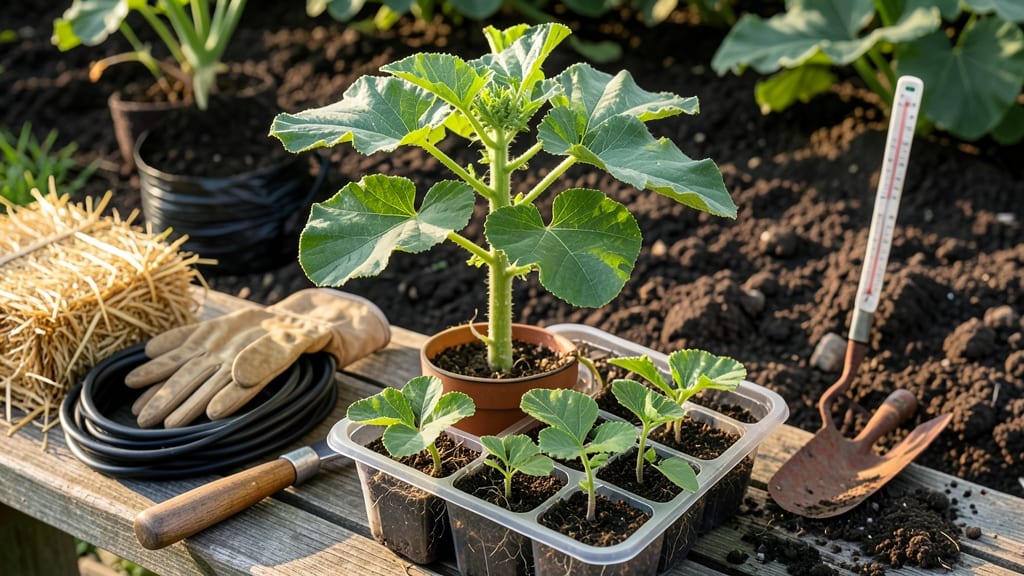
Planting cantaloupe in Arizona isn’t just about dropping seeds in the ground—it’s about outsmarting the desert’s relentless heat and timing your harvest before the monsoons arrive. The right window means the difference between sweet, juicy 🍈 melons and bitter, sun-scorched disappointments.
Most Arizona gardeners make one critical mistake: planting too early when soil temperatures are still cool. Your cantaloupe needs warmth to thrive, and in USDA Zone 9b, that means waiting until after March 15th in most areas—when daytime highs consistently hit 75°F+ and nights stay above 55°F.
But here’s the catch: Phoenix and Flagstaff have different microclimates, so I’ll break down the exact dates for each.
Why does this matter? Because cantaloupe vines grow fast—75 days to harvest—but they’ll bolt (flower prematurely) if stressed by heat or drought. The key is planting when the ground is warm enough to support root growth but cool enough to avoid wilting before your melons even form.
I’ll show you how to read your soil’s temperature and adjust for Arizona’s unpredictable spring shifts.
Once you’ve got the timing down, we’ll tackle the real challenges: watering without drowning roots, choosing heat-resistant varieties, and avoiding the monsoon season’s downpours. Skip the guesswork—let’s get your cantaloupe off to a strong start with science-backed strategies tailored to Arizona’s climate.
Arizona’s best cantaloupe planting windows by heat zone
Arizona’s climate varies dramatically from the Low Desert (Phoenix, Tucson) to the High Desert (Flagstaff, Prescott), making planting windows critical for cantaloupe success. Unlike northern states, Arizona’s frost-free year-round status means timing focuses on heat tolerance and soil warmth rather than frost dates.
Plant too early, and your vines will suffer from chilly nights or drought stress; too late, and the summer heat will stunt growth before harvest.
Cantaloupe thrives when soil temperatures reach 70°F and nighttime temps stay above 55°F. In Arizona, this typically aligns with late February to early March for most regions, but elevations over 5,000 feet may delay planting by 2-3 weeks.
Let’s break down the best planting windows for each Arizona heat zone to maximize your yield.
🌱 Arizona Cantaloupe Planting Guide by Heat Zone
| Heat Zone | Elevation | Ideal Planting Window | Soil Temp Requirement | Notes |
|---|---|---|---|---|
| Low Desert | Below 2,500 ft | Late February - Early March | 70°F+ | Fastest growth; harvest by June to avoid monsoon heat. |
| Mid-Elevation | 2,500 - 5,000 ft | Mid-March - Early April | 65°F+ | Cooler nights; use black plastic mulch to warm soil. |
| High Desert | 5,000+ ft | Late March - Early May | 60°F+ | Short growing season; choose early-maturing varieties. |
⚠️ Pro Tip: Test soil temp with a soil thermometer—cantaloupe seeds won’t sprout below 60°F.
For the Low Desert (Phoenix, Yuma), aim to plant directly in the ground by late February. Soil warms quickly here, and vines can tolerate the heat once established.
In Mid-Elevation areas like Sedona or Prescott Valley, start seeds indoors in early March and transplant after mid-April when nighttime temps stabilize above 55°F. High Desert locations like Flagstaff should wait until late March or even early May to avoid late spring frosts, which are rare but possible.
If you’re using transplants instead of direct sowing, harden them off for 7-10 days before planting. Transplants give you a 2-week head start, which is crucial in cooler elevations. Choose heat-tolerant varieties like ‘Hale’s Best’ or ‘Ambrosia’—they handle Arizona’s 100°F+ days better than standard types.
Avoid planting after mid-April in the Low Desert; the monsoon season (July-September) brings unpredictable rains and fungal risks like powdery mildew.
One common mistake is assuming “spring planting” means March in all areas. In the High Desert, March can still bring 30°F nights, which will kill young seedlings. Use row covers or plant near south-facing walls to trap heat.
Another trick? Plant black plastic mulch 2-3 weeks before seeding to raise soil temps by 5-10°F. This is especially helpful in Mid-Elevation zones where soil warms slower.
Harvest timing is just as critical as planting. In the Low Desert, cantaloupes should be ready by late May to early June; in the High Desert, aim for July to avoid the first fall chill of September.
Look for cream-colored rinds, a sweet aroma at the stem, and a slip-and-tug test—if the fruit detaches easily, it’s ripe. Miss this window, and your melons may turn woody or bitter from the heat.
For gardeners in urban Phoenix or Tucson, consider container growing if space is limited. Use 5-gallon pots with well-draining soil and place them on patio heaters at night to maintain 55°F+ temps.
This extends your planting window into early April safely. Just remember: containers dry out faster, so water daily in summer.
Finally, mark your calendar for Arizona’s monsoon season (July-September). While it brings much-needed rain, it also increases pests like cucumber beetles and diseases. If you plant in May, your cantaloupes may mature just in time for the first monsoon rains, which can split fruits.
To mitigate this, use drip irrigation instead of overhead watering and apply mulch
How to adjust planting for Arizona’s extreme heat and drought
Arizona’s desert climate demands special care for cantaloupe—too much heat or drought, and your plants will bolt or wilt before fruiting. The key is strategic adjustments to protect young vines while encouraging strong root systems.
I’ve learned that shade cloth, mulching, and precise watering can turn a risky venture into a bountiful harvest.
Start by selecting heat-tolerant varieties like ‘Hale’s Best’ or ‘Ambrosia,’ which thrive in temperatures up to 105°F. These melons handle Arizona’s summers better than standard types, giving you a fighting chance against the relentless sun. Pair them with drip irrigation to keep foliage dry and reduce disease risk.
Here’s my step-by-step survival guide for cantaloupe in Arizona’s harsh conditions, packed with actionable tips to maximize your yield. The goal? Beat the heat without sacrificing sweetness.
Don’t skip soil preparation—Arizona’s sandy soil drains too quickly. Amend it with 2-3 inches of compost before planting to retain moisture and nutrients. I swear by black plastic mulch in the Low Desert (Phoenix area), which warms the soil faster and suppresses weeds.
Just remember to remove it once fruits start forming to avoid overheating.
Watch for heat stress signs: yellowing leaves, wilting despite watering, or flowers dropping without pollinating. If you see these, provide afternoon shade immediately and increase watering to every 2-3 days. Cantaloupes are tough, but they’ll push back if you give them the right support.
Pro tip: Harvest early in high-desert areas (Flagstaff) where summer nights dip below 60°F. The melons won’t sweeten as much, but you’ll avoid the monsoon season’s fungal risks.
In the Low Desert, aim for late May harvests when temps stabilize around 95°F—just before the real heat sets in.
With these adjustments, you’ll turn Arizona’s challenges into cantaloupe success. The secret? Work with the heat, not against it. 🌱