
Plants
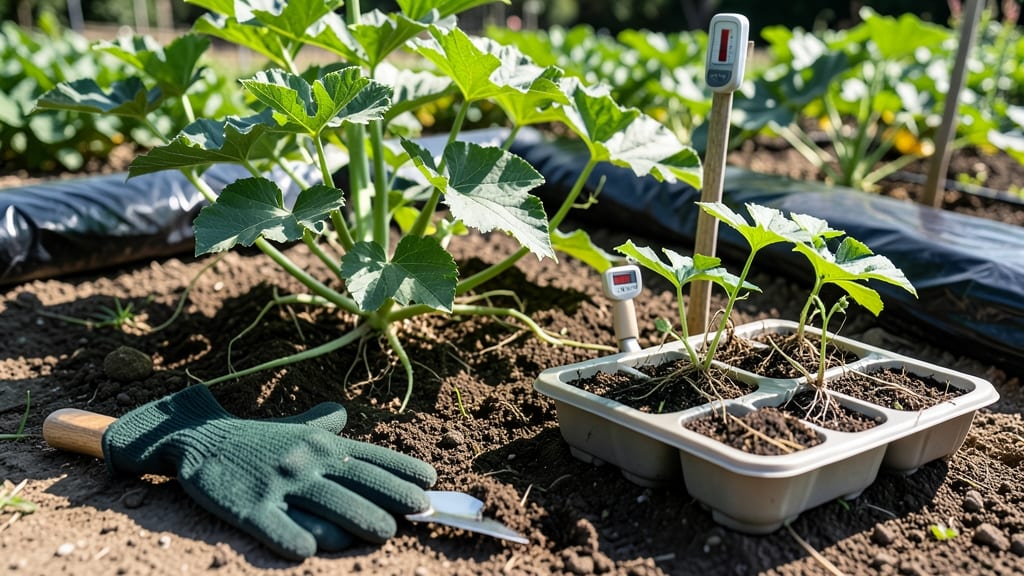
Planting cantaloupe in Ohio isn't just about grabbing seeds and sticking them in the dirt—it's a high-stakes game of timing that can mean the difference between a bountiful harvest and a sad, wilted vine.
With Ohio's unpredictable spring weather and last frost dates that can vary by weeks from one region to another, knowing exactly when to plant your 🍉 is the key to success.
If you've ever watched your cantaloupe seedlings turn black overnight after a surprise frost or struggled with tiny, underdeveloped fruit because you planted too late, you know how critical this window is. The good news?
Ohio's 6a zone actually works surprisingly well for cantaloupe when you follow the right schedule—and I'm about to share exactly what that looks like for your specific corner of the state.
Most Ohio gardeners wait until mid-April to mid-May to plant cantaloupe, but that's just the starting point. What you really need is a personalized timeline based on your local frost-free date, soil temperature, and even whether you're growing in the urban heat of Columbus or the cooler hills near Youngstown.
Let me walk you through how to determine your perfect planting window so you can enjoy sweet, homegrown cantaloupe from July through August.
We'll also cover what to do if your spring is particularly late or your summer heatwave arrives early—because in Ohio, the only thing more unpredictable than the weather is your neighbor's gardening advice.
By the end, you'll have a cantaloupe planting plan that accounts for all the variables, so you can finally stop guessing and start growing.
Ohio’s frost-free zones: when to plant cantaloupe by region
Ohio’s USDA hardiness zones 5a-6b create dramatic differences in planting windows—what works in Toledo (Zone 6a) may fail in Youngstown (Zone 5b). Cantaloupe thrives with 70-90 frost-free days, so timing your mid-April to mid-May planting around your local last-frost date is critical.
Let’s break down Ohio’s key regions to help you pinpoint the perfect window.
Cantaloupe seeds won’t germinate in cold soil (below 60°F), and seedlings die instantly if hit by frost. Ohio’s average last-frost dates vary by 2-3 weeks across the state, so use these regional guidelines as your starting point.
Always check NOAA’s local frost forecasts 1-2 weeks before planting to adjust for late-season cold snaps.
Here’s how Ohio’s four major regions differ in planting readiness, with harvest windows that align with Ohio’s July-August summer peak:
| Region | USDA Zone | Avg. Last Frost | Planting Window | Harvest Window | Notes |
|---|---|---|---|---|---|
| Northwest (Toledo) | 6a | April 25 | May 1-15 | July 15-Aug 10 | Warmest zone; earliest planting |
| Central (Columbus) | 6a/6b | April 20 | May 1-10 | July 10-Aug 5 | Moderate zone; reliable yields |
| Southwest (Cincinnati) | 6b | April 15 | April 25-May 5 | July 5-Aug 1 | Urban heat islands extend season |
| Northeast (Youngstown) | 5b | May 5 | May 20-June 1 | Aug 1-15 | Late frosts common; use row covers |
For urban gardeners in cities like Cleveland or Dayton, microclimates can shift planting dates by 1-2 weeks. South-facing walls or rooftop gardens may warm up 2-3°F faster than open fields, letting you plant 5-7 days earlier.
Always test your soil temperature with a soil thermometer—cantaloupe roots need 70°F+ soil to thrive.
If you’re in Zone 5b (northeast Ohio), consider starting seeds indoors 3-4 weeks early and transplanting after Memorial Day. Use black plastic mulch to raise soil temperatures 5-10°F faster than bare ground.
For Zone 6a/b areas, direct sow after May 1 for a July-August harvest before Ohio’s first fall frosts arrive in October.
Pro tip: Ohio’s heat waves can stress cantaloupe vines, so choose shorter-season varieties like ‘Athena’ (75 days) or ‘Hale’s Best’ (80 days) if your summer cools quickly. Longer-season varieties like ‘Ambrosia’ (90 days) work best in Toledo and Cincinnati, where summers stay hot.
Remember, cantaloupe won’t ripen if nighttime temperatures drop below 60°F. In northern Ohio, this often means August harvests are your last chance—plan accordingly! 🍉
How to adjust planting dates for Ohio’s microclimates
Ohio’s varied geography—from Lake Erie’s cooling breezes to Appalachian foothills—means your planting zone might differ from your neighbor’s by weeks. Urban heat islands in cities like Columbus can warm soil faster than rural areas, while high-elevation spots near Youngstown may need delayed planting. To succeed, I’ve learned to calculate my exact frost-free date using NOAA’s Local Climate Data and adjust for my microclimate. For example, if you’re in Toledo, lake-effect winds can delay soil warming by 10-14 days compared to inland areas. Meanwhile, Cincinnati’s urban heat can let you plant early varieties 2 weeks ahead of schedule. The key is soil temperature, not just air temperature—cantaloupe seeds need 70°F+ soil to germinate reliably. Use a soil thermometer ($10 at garden centers) to confirm readiness.🌡️ Soil Temperature
Wait until soil reaches 70°F+ at 4-inch depth. Use black plastic mulch to warm soil 2-3 weeks faster.
🏙️ Urban Areas
Plant 1-2 weeks earlier than rural zones due to heat island effect. Monitor for drought stress—water deeply twice weekly.
🌊 Lake Effect Zones
Delay planting by 10-14 days near Lake Erie. Use row covers for early starts if soil is warm enough.
🏔️ High Elevation
Shift planting to late May for areas above 1,000 ft. Choose shorter-season varieties like ‘Athena’ (70 days).
📅 Ready to plant? Bookmark your local frost-free date and set a reminder for when soil hits 70°F—that’s your green light! 🌱