
Plants
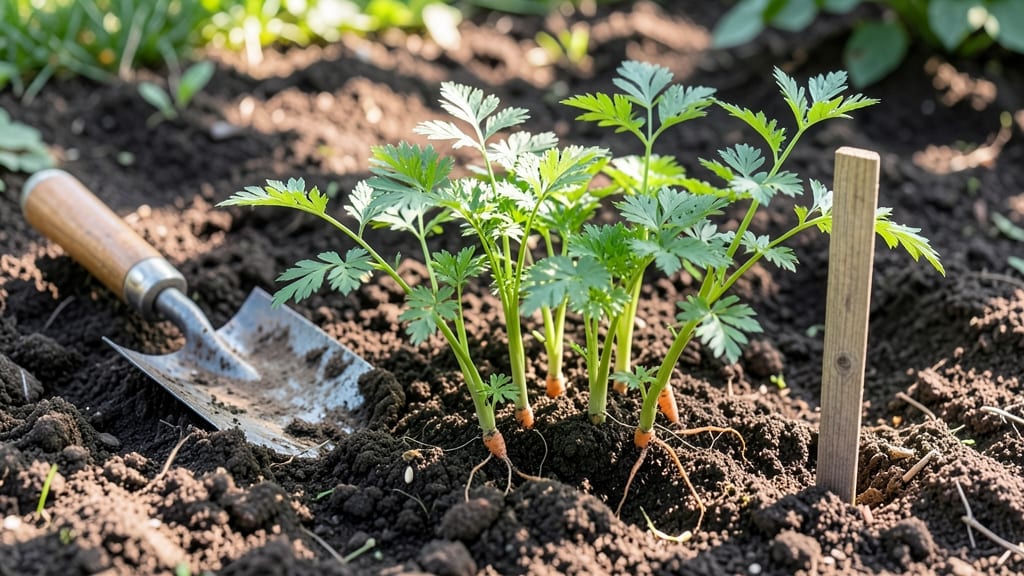
Planting carrots in fall can feel like a guessing game—get the timing wrong, and you might end up with bitter, stunted 🥕 instead of the sweet harvest you crave.
The secret lies in understanding when to plant them so they mature before winter sets in, especially in zones like 6a where frost arrives early.
Most gardeners assume "fall planting" means dropping seeds anytime after summer, but that’s a recipe for disappointment. The ideal window is actually 4-6 weeks before your first frost, giving carrots enough time to grow roots while avoiding the risk of bolting or woody textures.
This means if your last frost is mid-November, you’ll want seeds in the ground by early October.
I’ve learned the hard way that soil temperature matters just as much as calendar dates—too cold, and germination stalls; too warm, and you might trigger early bolting. The key is planting when soil temps hover between 55-75°F, a sweet spot that balances growth speed and frost resilience.
Let me walk you through exactly how to time it right, plus soil prep tricks to ensure your fall carrots thrive.
Whether you’re a seasoned gardener or just starting, these insights will help you avoid common pitfalls like uneven sprouts or rocky harvests. By the end, you’ll know exactly when to plant, how to protect your crop from early frost, and which varieties perform best in cooler weather.
Let’s get those 🥕 growing!
Optimal fall carrot planting dates based on your hardiness Zone
Planting carrots in fall is all about timing—specifically, soil temperature and frost dates. Carrots need 55–75°F soil to germinate, but cooler air won’t stop them from growing. The key is planting 4–6 weeks before your first frost to ensure a harvest before winter sets in.
For example, in USDA Zone 5, aim for late August to early September, while Zone 8 gardeners can plant until mid-October. This window ensures roots mature before hard freezes.
Carrots thrive in cool but not freezing temperatures, making fall an ideal season. They’ll tolerate light frosts (28–32°F) but won’t survive prolonged freezes. Plan to harvest before consistent sub-20°F nights, or use row covers to extend your growing season.
In northern zones (3–4), focus on early August plantings to avoid bolting (flowering) from heat stress before frost.
Your last frost date is your best friend when scheduling. Check local Almanac frost charts or use a frost calculator to pinpoint your zone’s cutoff.
For instance, Zone 6 (like much of the Midwest) has a first frost around October 15, so planting in early to mid-September gives carrots 60–80 days to mature. Adjust by 1–2 weeks earlier in cooler zones or 1–2 weeks later in warmer ones.
Regional variations matter! In the Pacific Northwest (Zones 7–9), where winters are mild, you can plant carrots until November. Meanwhile, Southern gardeners (Zones 10–11) might need to plant in late summer to avoid heat stress.
Always account for local microclimates, like urban heat islands or coastal breezes, which can shift your ideal window by 10–14 days.
🌱
🌱 Fall Carrot Planting Timeline by USDA Zone
| Zone | Planting Window | Soil Temp Goal (°F) | First Frost Date | Harvest Window |
|---|---|---|---|---|
| 3–4 | Late July–early August | 55–65°F | Mid-September | October–November |
| 5–6 | Early–mid September | 60–70°F | Mid-October | November–December |
| 7–8 | Mid-September–early October | 65–75°F | Late October–November | December–January |
| 9–10 | Late August–September | 60–70°F | December | January–February |
*Adjust for local frost dates and soil conditions. Use row covers to extend harvests in cooler zones.
For successful fall carrots, prioritize soil prep before planting. Loosen soil to 12 inches deep to prevent forked roots, and remove rocks and clumps. Amend with compost for nutrients, but avoid fresh manure, which can cause bolt-resistant growth.
Test your soil’s pH (6.0–7.0)—carrots hate acidic conditions. If your soil cools too quickly, use black plastic mulch to retain heat and speed germination.
Succession planting is your secret weapon for continuous harvests. In Zones 5–8, sow new seeds every 2 weeks from August to September to stagger maturity. This ensures you’re always pulling fresh, tender carrots instead of a single overwhelming harvest.
Just be mindful of day length: carrots planted too late in fall may bolt prematurely due to shorter days. Choose short-day varieties (like ‘Danvers’) for fall to minimize this risk.
Don’t overlook companion planting to boost your fall crop. Pair carrots with onions, leeks, or rosemary to deter pests like carrot flies. Avoid planting near dill or fennel, which can stunt
Soil temperature secrets: how to test and adjust for carrot success
Carrots are picky about soil warmth—they need consistent temperatures between 55°F and 75°F to germinate properly. If your soil is too cold, seeds may rot in the ground, while soil that's too hot can cause bolting (premature flowering). Fall planting requires extra attention since temperatures fluctuate rapidly.
Start by testing your soil's warmth using a soil thermometer (available for under $10). Insert it 2 inches deep—this is where carrot seeds germinate. Aim for 60°F or warmer before planting.
If your soil is cooler, wait a few days or use black plastic mulch to warm it up faster.
To extend your growing season, use row covers or cold frames after planting. These create a 5-10°F warmer microclimate, helping carrots mature even as outdoor temps drop. For example, in USDA Zone 5, I’ve successfully grown carrots until mid-November by covering beds with lightweight fabric.
Another trick? Mulch heavily with straw or leaves after germination. This insulates roots from temperature swings and keeps moisture consistent. Just avoid piling mulch directly on seeds—wait until sprouts are 1 inch tall before adding a 2-inch layer around plants.
If your fall weather is unpredictable, consider staggered planting. Sow a small batch every 2 weeks from late summer into early fall. This ensures a continuous harvest before hard frosts hit.
For instance, in Zone 7, I plant my first batch in early August and my last in mid-September.
Remember, carrots hate competition—thin seedlings to 2-3 inches apart once they’re 3 inches tall. This prevents overcrowding, which can lead to forked or stunted roots.
With the right soil temps and care, your fall carrots will be sweet, crisp, and ready to harvest before winter sets in! 🌱