
Plants
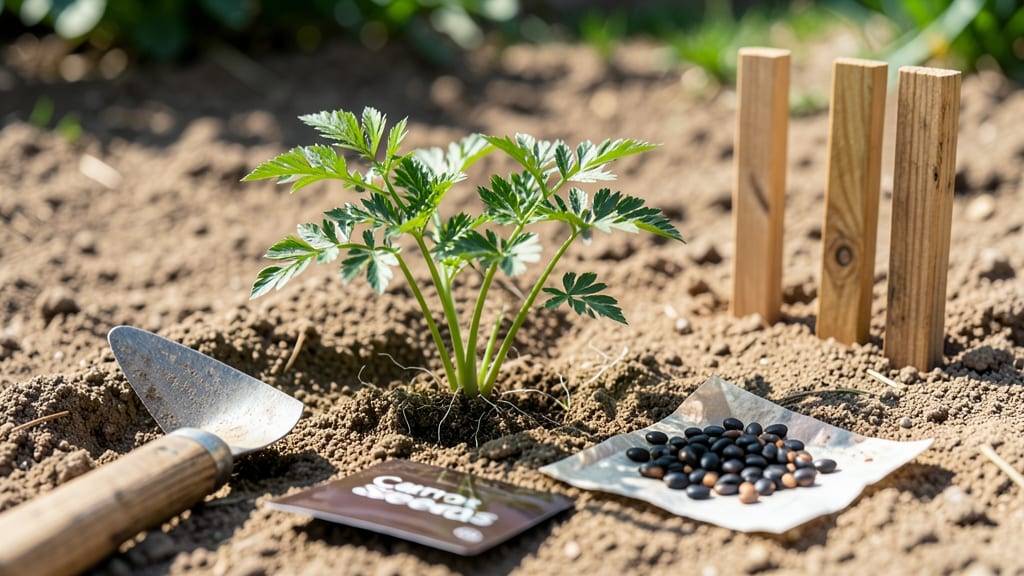
Timing your 🥕 carrot planting in Kentucky wrong can mean the difference between sweet, crisp roots and bitter, bolted failures - and the exact weeks before your last frost make all the difference.
I've learned the hard way that Kentucky's 6a zone demands precision: plant too early and you risk frost damage, too late and the summer heat sends your carrots shooting up into leafy stalks before you get a single harvest.
The secret lies in understanding your local frost dates and soil temperatures - and I'll show you exactly when to put those seeds in the ground for foolproof results.
We'll cover both spring and fall planting windows, plus how to stretch your growing season without triggering bolting.
Whether you're a first-time gardener or a veteran with patchy results, these Kentucky-specific timing tips will help you grow carrots that are straight, sweet, and ready to harvest at exactly the right moment.
Ready to stop guessing and start growing? Let's dive into the perfect planting schedule that actually works for Kentucky gardens - no more wasted seeds or disappointing harvests.
Kentucky carrot planting calendar: exact weeks before last frost for sweet roots
Kentucky gardeners know timing is everything—especially for carrots, which bolt faster than a rabbit in a garden full of lettuce. The last frost date in Kentucky typically falls April 15 in most regions (USDA Zones 6a-7a), but your exact window depends on elevation and microclimates.
Planting 4-6 weeks before last frost (late February to early March) gives seedlings enough time to establish roots before summer heat triggers bolting.
For a fall harvest, aim for August to early September—this ensures mature roots before first frost (October 15). Carrots need 50°F+ soil temperatures to germinate, so wait until the ground warms in spring or use a seedling heat mat for earlier starts.
Kentucky’s humid summers mean bolting is a real risk, so timing is your best defense.
| Planting Window | Soil Temp | Days to Harvest | Bolting Risk |
| Late Feb - Early Mar | 50°F+ | 70-80 days | Low (cool weather) |
| Mid-Mar - Early Apr | 55°F+ | 60-70 days | Moderate (spring warmth) |
| Aug - Early Sep | 60°F+ | 70-80 days | High (summer heat) |
Use Kentucky’s frost-free days (165) to calculate your ideal planting dates. For example, if your last frost is April 20, plant March 15-25 for a mid-June harvest.
In Zone 6a (northern KY), push planting to late March to avoid early spring freezes. Southern KY (Zone 7a) can start as early as February 20.
Bolting happens when carrots sense long days and warmth—common in Kentucky’s May-June heat. To prevent this, plant short-day varieties like ‘Danvers Half Long’ and use shade cloth (30-50%) during peak summer. For fall crops, focus on August plantings to avoid bolting before frost.
Kentucky’s heavy clay soil in many regions can stunt carrot growth, so amend beds with compost and sand to improve drainage. Loose soil prevents forked roots, a common issue in compacted KY gardens. Test soil pH (aim for 6.0-7.0)—acidic soil (pH <5.5) can cause blackheart, a cosmetic but yield-killing problem.
Pro tip: Mark your calendar for April 15 (last frost) and count backward 6 weeks for spring plantings. For fall, count 8 weeks before October 15. Use a planting wheel or free apps like Gardenate to track Kentucky-specific frost dates by county.
If you’re new to carrots, start with successive plantings every 2 weeks in spring. This spreads harvests and reduces bolting risk. For example, plant March 15, March 30, April 15 to enjoy carrots from June through August.
In fall, a single August 1 planting will yield roots by October.
Remember: Kentucky’s humidity and heat speed up germination but also increase disease risk. Water deeply in the morning to prevent fungal issues like leaf blight. Mulch with straw to retain moisture and keep roots cool—critical for straight, sweet carrots.
For the most reliable results, pair your planting schedule with cold-hardy varieties like ‘Nantes’ (great for sandy soil) or ‘Chantenay’ (ideal for clay). These tolerate Kentucky’s variable weather better than delicate heirlooms.
How to extend Kentucky’s carrot growing season without bolting or freezing
Kentucky’s humid summers and chilly winters demand smart strategies to keep your carrots thriving year-round. The key is succession planting—staggering your sowing schedule so you always have fresh roots ready to harvest.
For spring plantings, start your first batch 4-6 weeks before your last frost date (around March 1-15 in most of KY), then follow up with new seeds every 2-3 weeks until June 1. This ensures a steady supply before summer heat triggers bolting.
Fall is equally critical—plant your final batch 8-10 weeks before your first frost (aim for mid-August to early September). Use cold-hardy varieties like ‘Danvers Half Long’ or ‘Chantenay’ to withstand KY’s early frosts.
These varieties tolerate cooler soil temperatures (50°F+) better than heat-sensitive types, giving you a second harvest window in October-November.
🌱
Bolting—when carrots flower prematurely—is a major threat in Kentucky’s heat. To prevent it, avoid planting after May 15 unless you use shade cloth to block afternoon sun. Choose short-day varieties like ‘Paris Market’ or ‘Little Finger,’ which are less prone to bolting.
If you notice leaves yellowing or flowering stems appearing, harvest immediately or pull the plants to reset your soil’s fertility for the next batch.
For a 12-month harvest, combine these strategies: Start your first spring batch indoors, use row covers for late fall, and plant successionally every 3 weeks. With this approach, you’ll enjoy fresh carrots from late May through November—even in Kentucky’s variable climate.
💧