
Plants
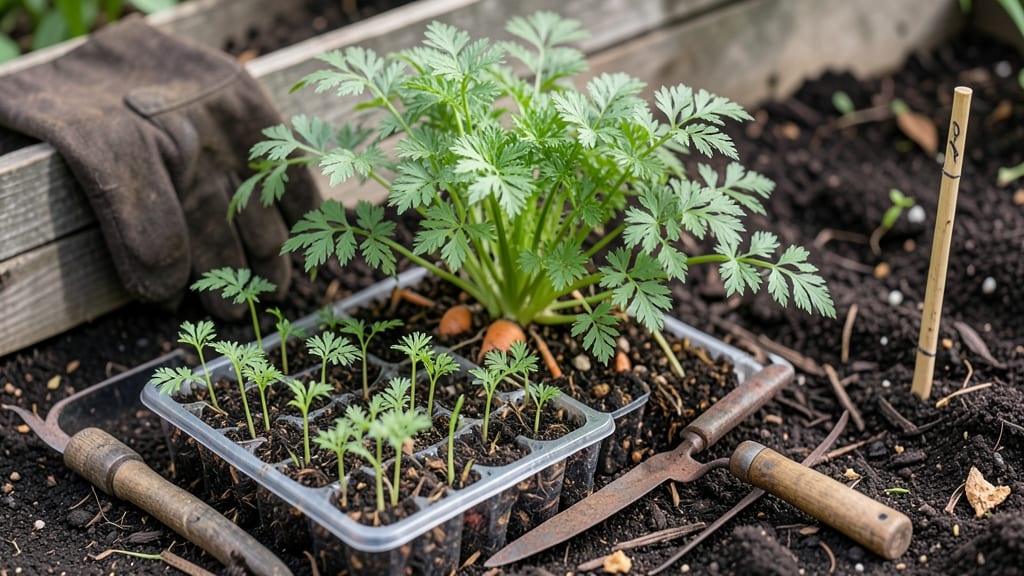
Planting carrots in the fall is your golden ticket to sweeter, crispier roots—if you time it just right. The key lies in that 4-6 week window before your first frost, when cooler temps boost natural sugars without risking bolting or stunted growth.
I’ve learned the hard way that rushing the calendar means tough, woody carrots, while waiting too long invites frost damage. But here’s the good news: with the right timing, you’ll enjoy a harvest that rivals spring’s best—plus, fewer pests to deal with in the crisp air.
Let’s break down exactly when to sow in your zone, how to prep soil for success, and the simple tricks to stretch your harvest through winter. You’ll leave here with a clear checklist so your 🥕 garden thrives from seed to table.
Ready to grow carrots that taste like they came straight from a farmers’ market? The clock’s ticking—let’s get those seeds in the ground at the perfect moment.
Optimal fall planting windows for carrots by USDA Hardiness zones
Timing your fall carrot planting is all about beating the first frost while avoiding summer’s heat stress. The sweet spot? Sow seeds 6-8 weeks before your average first frost date.
This gives carrots enough time to mature before winter sets in, but not so early that they bolt in the heat. For most U.S. regions, this means planting between mid-July and early September, depending on your zone.
Cooler fall temperatures actually boost carrot sweetness by increasing sugar content—unlike spring carrots, which can taste bland if grown in cold soil. However, if you plant too late, your roots won’t have time to reach harvest size before frost damages them.
Let’s break down the best planting windows by USDA Hardiness Zone to ensure your fall crop thrives.
🌱 Did You Know? Carrots grown in fall can develop 30% more sugar than spring-planted varieties due to cooler nighttime temperatures. This natural sweetening happens when photosynthesis slows, converting excess starch into sugars.
| Zone | Planting Window | First Frost Date | Soil Temp (°F) | Notes |
|---|---|---|---|---|
| 3-4 (Cold) | Mid-July to early August | Late September | 60-70°F | Short season; use fast-maturing varieties like 'Paris Market' (50 days). |
| 5-6 (Cool) | Late July to mid-August | Mid-October | 65-75°F | Ideal for 'Danvers' or 'Nantes'—classic sweet varieties. |
| 7-8 (Temperate) | Early to mid-August | Late October | 70-80°F | Best for 'Rainbow' or 'Chantenay'—bold colors, crisp texture. |
| 9-10 (Warm) | Late August to early September | Mid-November | 75-85°F | Try 'Solar Yellow' or 'Purple Haze'—heat-tolerant heirlooms. |
| 11-12 (Hot) | September (early) | December | 80-85°F | Use shade cloth if temps exceed 90°F; 'Bolero' matures in 60 days. |
⚠️ Pro Tip: Check your local frost dates via the USDA Plant Hardiness Zone Map or a frost calendar for your county. Even a 1-2 week delay can mean the difference between a sweet harvest and bolted greens.
If you’re unsure about your zone, a quick soil temperature check can save your crop. Use a soil thermometer to confirm your soil is between 60-80°F before planting.
Carrot seeds need warmth to germinate, but once they sprout, cooler fall air helps them develop sweeter roots. Aim for 70-75°F soil for the best balance.
For gardeners in warmer zones (9-12), late summer heat can still be a challenge. If your soil feels like a hot sidewalk, wait until evening to plant and mulch heavily with straw or grass clippings to keep roots cool.
This mimics the natural cooling of fall and prevents bolting.
One common mistake is planting too close to frost. Even if your carrots look small, they’ll keep growing underground until a hard freeze (below 20°F) damages them.
To maximize your harvest, plan to pull carrots 2-3 weeks before the first frost—they’ll still be tender and sweet, even if not fully mature.
Regional variations matter too. In the Pacific Northwest, for example, you might plant as late as early September thanks to milder winters, while Midwest gardeners should start by mid-August to avoid early frosts.
Always adjust your timeline based on microclimates—a south-facing bed stays warmer longer than a north-facing patch.
For a foolproof approach, test your soil and sow a small batch 2 weeks earlier than your ideal date. If those seedlings thrive, you can safely plant your main crop. If they struggle, wait another week. This trial run ensures your timing is perfect for your specific location.
Finally, remember that shorter daylight hours in fall signal carrots to focus on root growth rather than leafy tops. This natural shift means you’ll end up with plump, sweet
Optimal fall planting windows for carrots by USDA Hardiness zones
Fall carrots thrive when planted 6-8 weeks before your first frost date—this ensures they mature before cold snaps. In USDA Zones 3-5, aim for late July to early August, while Zones 6-8 can wait until mid-August to early September.
The key is soil temperatures between 70-80°F for germination, so avoid planting when soil is still warm from summer.
Cooler fall temperatures actually boost carrot sweetness—unlike summer heat, which stresses roots. For example, in Zone 5, planting around August 1st gives carrots 70-80 days to mature before frost. In warmer Zone 9, extend planting to early September for a late-fall harvest.
Use your average first frost date as your deadline. For instance, if frost hits November 15th, plant by September 20th to ensure a full harvest. Check local Extension Office resources for precise dates in your area.
| USDA Zone | Planting Window | Soil Temp | First Frost Target |
|---|---|---|---|
| Zones 3-4 | Late July - Early August | 70-75°F | October 15 - November 1 |
| Zones 5-6 | Mid-August - Early September | 70-80°F | November 1 - November 15 |
| Zones 7-8 | Early September - Mid-September | 65-75°F | November 15 - December 1 |
| Zones 9-10 | Mid-September - Early October | 60-70°F | December 1 - January 1 |
Pro tip: Use a soil thermometer to confirm temperatures. If soil is above 80°F, wait 1-2 weeks for cooler conditions. Carrots planted in too-hot soil often bolt (flower prematurely), ruining your harvest.
For northern climates, consider row covers or cold frames to extend the season. In southern areas, prioritize shade cloth during peak afternoon heat. Both strategies help maintain ideal growing conditions.
Always choose short-day varieties like 'Nantes' or 'Danvers' for fall planting—they mature faster in cooler weather. Avoid long-day varieties designed for summer.