
Plants
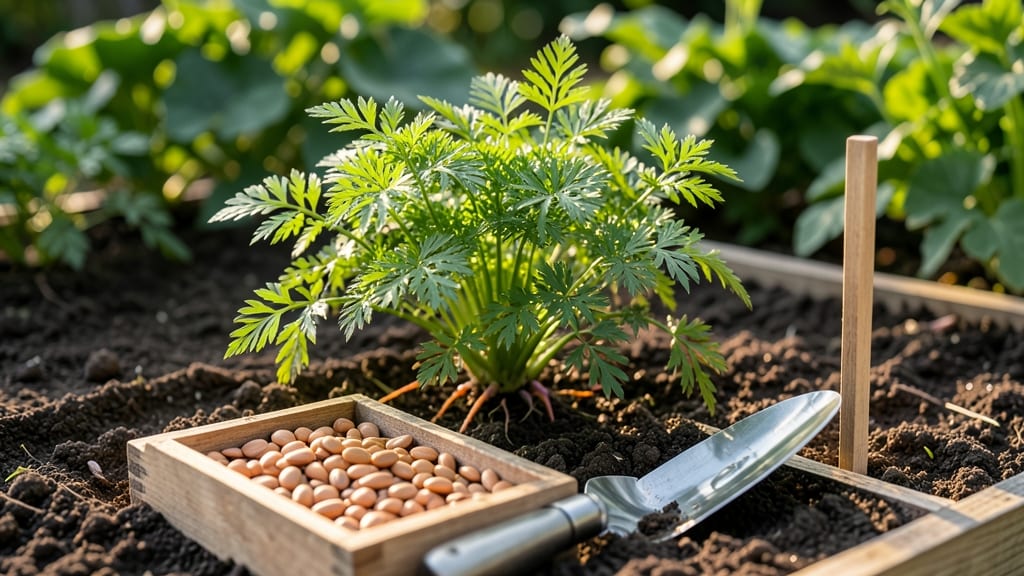
Planting carrots in Zone 9a at the wrong time can turn your garden dreams into a bitter disappointment—think tough, woody roots or plants bolting before they even mature. The key to success lies in timing, and I’ve cracked the code after years of trial and error in this warm climate.
Most gardeners assume spring is the only option, but Zone 9a’s mild winters and scorching summers actually make fall and winter the sweet spots for growing sweet, crisp 🥕 roots.
By planting at the right moments—like September through November or January through February—you’ll avoid the heat stress that ruins so many harvests.
What if I told you there’s a way to enjoy fresh carrots nearly year-round? It’s all about working with your local microclimate and choosing the right varieties that thrive in heat.
Let me show you exactly when to plant, what to watch for, and which carrots will reward you with the best harvests.
Ready to skip the guesswork and grow carrots that taste like they came from a farmers' market? Let’s dive into the planting schedule that actually works in Zone 9a, so you can enjoy homegrown carrots from February all the way through June.
Best planting times for carrots in Zone 9a: avoiding heat stress
Carrots thrive in cool weather, but Zone 9a’s heat can turn your garden into a root-rotting nightmare if you plant at the wrong time. The key is to time your plantings when soil temperatures stay below 75°F—this prevents bolting (premature flowering) and ensures sweet, straight roots.
I’ve learned the hard way that summer plantings often result in bitter, forked carrots, so I focus on fall and winter windows instead.
Your best bets are September through November for fall plantings and January through February for winter crops. These windows align with cooler soil temps and give carrots time to mature before summer heat sets in.
For example, a September sowing will yield harvests by February, just as spring approaches. Meanwhile, winter plantings in January give you a spring harvest before the real heat arrives.
Here’s the critical detail: soil temperature matters more than air temperature. Use a soil thermometer to confirm temps are 60-70°F before planting. If your soil runs hotter, opt for shade cloth or mulching to keep roots cool.
I’ve had success with black plastic mulch in late summer to warm the soil for fall plantings—it’s a game-changer for extending the season.
Don’t overlook succession planting either. In Zone 9a, you can stagger sowings every 2-3 weeks from September through November to ensure a continuous harvest. This works especially well for short-day varieties like ‘Danvers Half Long,’ which tolerate cooler temps better than heat-sensitive types.
Just be mindful of crowding—thin seedlings to 2-3 inches apart to avoid stunted growth.
🥕 Zone 9a Carrot Planting Timeline
| Season | Planting Window | Soil Temp Ideal | Harvest Window | Key Tip |
|---|---|---|---|---|
| Fall | September–November | 60–70°F | February–May | Use shade cloth if temps rise |
| Winter | January–February | 55–65°F | April–June | Mulch to protect from cold snaps |
| Early Spring | March (risky) | 65–70°F | May–June | Only for heat-tolerant varieties |
Microclimates play a huge role in Zone 9a. If you live in a coastal area, you might push plantings slightly later into October or November thanks to milder ocean breezes.
Conversely, inland gardens can get hotter faster, so I recommend starting seeds indoors in late August and transplanting seedlings in September to beat the heat. Just be gentle with seedlings—they’re delicate and can bolt if stressed.
Watering strategy is non-negotiable for success. Carrots need consistent moisture to grow straight, but overwatering causes rot. I water deeply every 3-5 days in the morning to let soil dry slightly between waterings.
A drip irrigation system is my go-to because it delivers water right at the roots without wetting the foliage—this cuts down on fungal diseases like leaf blight, which thrives in humid Zone 9a summers.
One mistake I see often is planting too deeply or in rocky soil. Carrots need 6-12 inches of loose, stone-free soil to grow straight. If your garden has heavy clay or rocks, amend the soil with compost or sand before planting.
For raised beds, I mix in coco coir to improve drainage and prevent forking. And if you’re planting in containers, choose varieties like ‘Paris Market’—they’re compact and perfect for pots.
Finally, don’t forget about pest control. In Zone 9a, carrot rust flies and aphids are persistent pests. I use row covers in early spring and late fall to block flies, and I rotate crops yearly to disrupt pest life cycles.
For aphids, a strong spray of water usually does the trick—no need for harsh chemicals when gentle solutions work.
With these timing tips, you’ll avoid the bitter, stunted carrots that plague summer plantings and enjoy a steady harvest of sweet, crisp roots all year. The secret? Cool soil, patience, and the right varieties—I’ve tested them all, and these methods work reliably in my Zone 9a garden. 🌱
Best planting times for carrots in Zone 9a: avoiding heat stress
Zone 9a’s mild winters and intense summers demand precise timing for carrot success. Planting too early in summer causes bolting (premature flowering), while late-season planting risks stunted roots from heat stress. The key is cool-season windows when soil temps stay below 75°F—ideal for germination and growth.
Your best planting windows are September through November for fall crops and January through February for winter harvests. These months offer cooler soil temperatures (60-70°F) and longer daylight, preventing the bitter flavors and forked roots that plague summer plantings.
🌱 Zone 9a Carrot Planting Summary
| Season | Planting Window | Soil Temp | Harvest Window |
|---|---|---|---|
| Fall | Sep–Nov | 60–70°F | Feb–May |
| Winter | Jan–Feb | 55–65°F | Apr–Jun |
| Early Spring | Mar (shade) | 65–70°F | Jun–Jul |
For succession planting, sow seeds every 2–3 weeks during your chosen window to ensure a continuous harvest. In Zone 9a, late summer (August) can work for quick-maturing varieties like ‘Paris Market’, but use shade cloth to protect seedlings from intense afternoon sun and heat stress.
Monitor soil moisture closely—consistent watering (1–1.5 inches per week) prevents cracked roots, a common issue in Zone 9a’s dry spells. Mulch with straw or wood chips to retain moisture and keep soil temps stable.
Avoid planting in full sun during peak summer (June–August) unless you’re using heat-tolerant varieties with shade protection.
Pro tip: Test your soil temperature with a soil thermometer before planting. Carrot seeds won’t germinate below 50°F or above 85°F. Aim for 60–70°F for optimal sprouting. If your soil runs hotter, try container growing with black plastic mulch to absorb and regulate heat.
By mastering these cool-season windows, you’ll bypass Zone 9a’s heat-related pitfalls and enjoy sweet, crisp carrots from February through June—with minimal effort. The secret? Timing is everything in the desert-like climate of Zone 9a. 🥕