
Plants
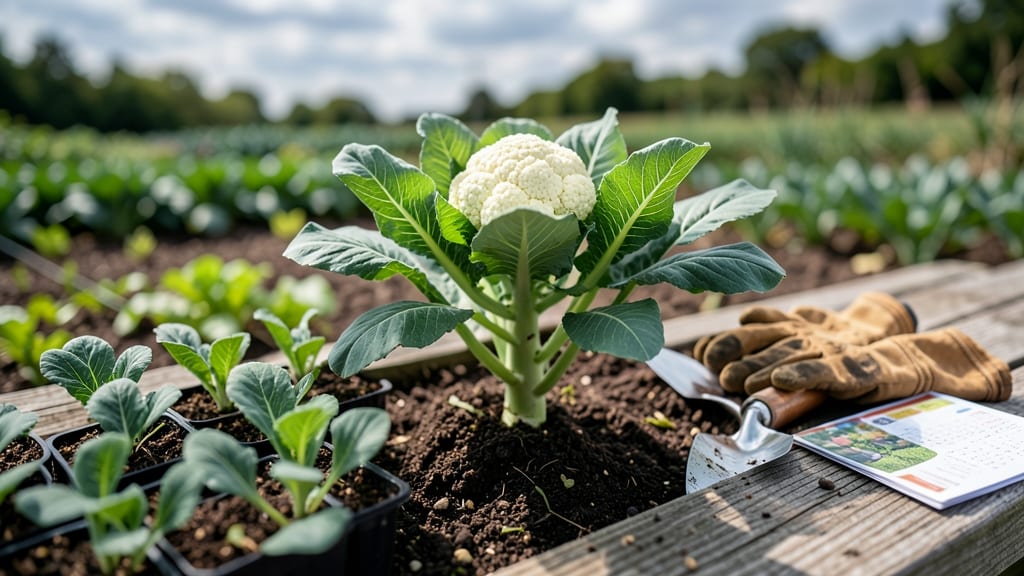
Planting cauliflower 🥬 in Georgia isn’t just about tossing seeds into the dirt—it’s a high-stakes game of timing that can mean the difference between a bumper crop and bolting before you even get a head.
With Georgia’s 7b-8b climate and unpredictable heat spikes, getting the window right is the key to success.
Most gardeners assume spring planting is the only option, but fall can actually be your secret weapon—especially if you’re in the Piedmont or Mountain regions where summer heat arrives early.
The trick? Planting August-September for a fall harvest lets you avoid the brutal July temperatures that send cauliflower running to flower instead of forming heads.
I’ve spent years perfecting this timing in my own Georgia garden, and what I’m about to share will help you avoid the most common mistakes—like planting too early in coastal areas or too late in the mountains.
Whether you’re a first-time gardener or a seasoned pro, these microclimate-specific strategies will give you the confidence to plant with precision.
Ready to grow head-sized cauliflower without the stress? Let’s break down the exact months that work for your corner of Georgia, plus the simple hacks that keep your plants cool and productive—no matter what the weather throws at you.
Georgia’s 3 best cauliflower planting windows by microclimate zone
Georgia’s diverse climate zones create unique challenges for growing cauliflower. The Coastal Plains, Piedmont, and Mountain regions all have different frost dates and heat tolerance thresholds.
To avoid bolting or stunted growth, timing is everything. Let’s break down the optimal planting windows for each zone, so you can harvest perfect heads year after year.
In USDA Zones 7b-8b, cauliflower thrives in cool seasons but wilts under summer heat. The key is planting 4-6 weeks before the last frost (typically mid-March) or in late summer (around August-September) for a fall harvest.
However, Georgia’s microclimates shift these windows slightly—cooler mountain areas can plant earlier, while hotter coastal zones must act faster.
Here’s how to match your planting schedule to your Georgia region:
For Coastal Plains gardeners, the January-February window is critical—plant too late, and summer’s 90°F+ heat will send your cauliflower bolting before heads form. Start seeds indoors in December to get a jump on the season.
In the Piedmont, where nights stay cooler, you’ve got a slightly wider window, but don’t delay past early March or risk stunted growth.
The Mountain regions offer the most flexibility, with March planting ideal for spring harvests. Here, gardeners can also experiment with late July plantings for a fall crop, using row covers to protect against early frosts.
Remember: cauliflower needs 60-90 days to mature, so calculate backward from your first frost date (usually mid-November).
Pro tip: Soil temperature matters just as much as air temperature. Cauliflower won’t germinate well in cold soil (below 40°F). Use a soil thermometer to confirm it’s 50°F+ before planting. In cooler zones, warm your beds with black plastic mulch or compost piles a week before sowing.
If you’re planting for a fall harvest, aim for August-September sowings in most of Georgia. This gives your plants enough time to bolt-resistant maturity before October’s cooler temps.
In the Coastal Plains, where summers linger hotter, push your fall planting to late August to avoid heat stress. Always choose heat-tolerant varieties like ‘Graffiti’ for these later plantings.
One common mistake? Overlooking soil prep. Cauliflower craves rich, slightly acidic soil (pH 6.0-6.8). Before planting, amend your beds with compost and a balanced fertilizer (10-10-10). In sandy soils (common in the Coastal Plains), add organic matter to retain moisture.
Test your soil’s nitrogen levels—too much can cause leafy growth at the expense of heads.
For container gardening in Georgia’s urban areas, stick to 14-inch pots and plant 4-6 weeks before your last frost. Containers warm up faster, so monitor soil moisture closely—cauliflower in pots dries out 3x faster than in-ground plants. Use self-watering containers if you’re away during peak heat.
Finally, keep an eye on the weather forecast
How to avoid bolting: Georgia-specific temperature hacks for cauliflower
Cauliflower’s biggest enemy in Georgia isn’t pests or drought—it’s heat-induced bolting. When temperatures creep above 80°F (27°C), your plants will bolt faster than a rabbit in a garden. The key? Strategic temperature control from planting to harvest.
Start by selecting shade-tolerant varieties like 'Graffiti' or 'Purple of Sicily'—they handle Georgia’s summer heat better than traditional types. Pair this with black plastic mulch to keep soil temps stable and roots cool. This simple trick can delay bolting by 2-3 weeks.
Here’s my Georgia-proven bolting prevention checklist:
For fall plantings, time your seeds so they mature by October 15th—after that, nights get too cool for head formation. In the Piedmont region, aim for August 1st sowings; in the Coastal Plains, wait until mid-August to avoid early heat.
Watch for these bolting warning signs:
- Stems elongate rapidly (like reaching for the sky)
- Leaves yellow at the base
- Flowers appear on the head (game over)
If you spot these, act fast—prune lower leaves to redirect energy to the head and shade the plant immediately.
Pro tip: In Zone 8a (like Athens), I’ve had success with two fall plantings—one in early August and another in early September. The second crop often survives until November harvests, beating bolting entirely. 🌱