
Companion Plants
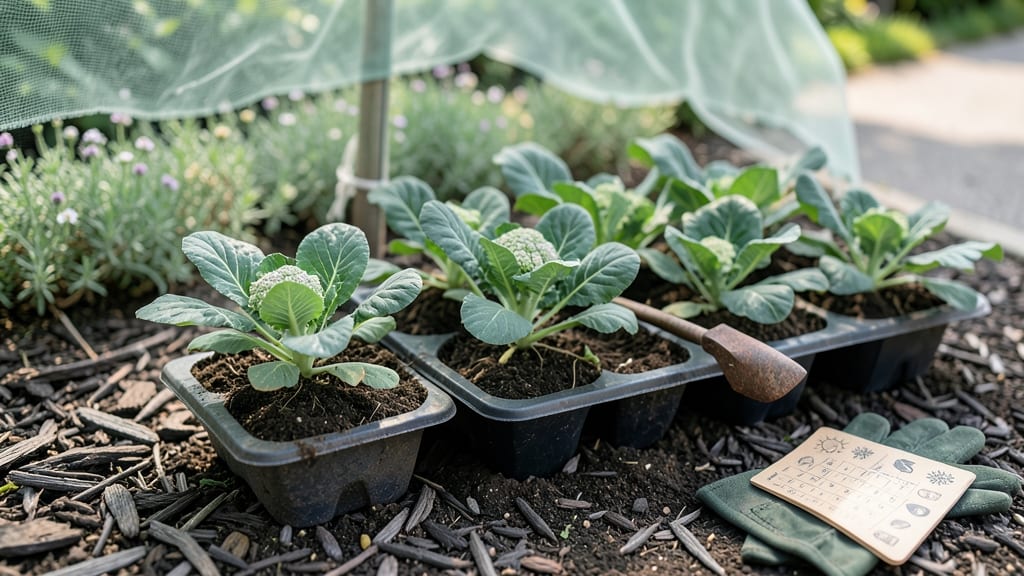
Planting cauliflower 🥬 in Zone 7 at the wrong time means watching your hard work turn into bitter, unusable heads—or worse, bolting before harvest. The key to success lies in understanding exactly when to get those seeds in the ground, whether you're starting them indoors or sowing directly.
In Zone 7, your best bets are early spring (March to April) or late summer (August to early September). These windows give your cauliflower 🥬 the cool weather it craves while avoiding the heat that sends it into a bitter panic.
But timing isn’t just about the calendar—soil temperature and frost dates play a huge role too.
I’ll break down the exact dates for both spring and fall planting, including when to start seeds indoors versus direct-sowing for maximum yields. Plus, I’ll share my top tips for spacing and companion plants to keep your cauliflower 🥬 thriving from seed to harvest.
Ready to grow heads that are firm, flavorful, and ready for the table? Let’s dive into the perfect planting schedule for your Zone 7 garden.
Optimal cauliflower planting dates in Zone 7: direct sowing vs seed starting
Zone 7 gardeners have two prime windows for growing cauliflower: early spring and late summer. The key is avoiding late frosts in spring and summer heat in fall.
For most of Zone 7, the last frost typically hits around March 15, while the first frost arrives by November 15. Timing your plants correctly ensures you harvest firm, flavorful heads instead of bitter bolts or frost-damaged greens.
I’ve grown cauliflower in Zone 7 for years, and the biggest mistake beginners make is planting too late for spring or too early for fall. Let’s break down the exact dates and methods—whether you’re starting seeds indoors or sowing directly into your garden bed.
📅 Spring Planting (Most Reliable Harvest): Aim to transplant seedlings 4-6 weeks before your last frost date. In Zone 7, that’s typically mid-February to early March for seed starting indoors, with transplants going into the garden by late March. For direct sowing, wait until soil temperatures reach 40°F (4°C) or warmer, usually around mid-April.
🍂 Fall Planting (Second Chance for Harvest): For a fall crop, plant seeds indoors 10-12 weeks before your first frost (early September in Zone 7) and transplant by mid-August. Direct sowing works if you plant by late July to early August, giving heads time to mature before cold weather sets in. Choose heat-tolerant varieties like ‘Cheddar’ or ‘Purple of Sicily’ for better success.
| Method | When to Start Seeds Indoors | Transplant Date | Direct Sowing Window | Harvest Window |
|---|---|---|---|---|
| Spring Crop | Mid-February to early March | Late March to mid-April | Mid-April (soil 40°F+) | May to June |
| Fall Crop | Early September | Mid-August | Late July to early August | October to November |
🌱 Pro Tip: Use row covers to extend your fall harvest by 2-3 weeks if frost threatens early.
If you’re new to seed starting, cauliflower seeds germinate best at 60-70°F (15-21°C) and take 7-10 days to sprout. Keep seedlings in a sunny window or under grow lights until they’re 3-4 inches tall with 4-5 true leaves before transplanting.
Harden them off for 5-7 days before moving them outdoors to avoid transplant shock.
For direct sowing, wait until soil temperatures are consistently above 40°F (4°C). Use a soil thermometer to check—cauliflower roots struggle in cold soil. If your spring is unpredictable, opt for seed starting indoors to give yourself a head start.
In my garden, I’ve found that transplants outperform direct-sown seeds because they avoid the bolting risk from temperature fluctuations.
One trick I swear by is planting a successive crop every 2 weeks in spring. This ensures a staggered harvest and reduces the risk of losing your entire crop to pests or weather.
For example, if your last frost is March 15, start your first batch indoors on February 15, the second on March 1, and the third on March 15. This way, you’ll have cauliflower ready to harvest from late May through July.
Don’t forget to rotate your crops if you’re planting cauliflower in the same spot year after year. Cauliflower is part of the Brassica family, so avoid planting it where you’ve grown broccoli, kale, or cabbage in the past 2-3 years.
Instead, follow it with legumes or tomatoes to break disease cycles.
Finally, if you’re in a warmer microclimate within Zone 7 (like near a heat-retaining wall or pavement), your frost dates may shift slightly. Check your local cooperative extension service for precise frost data, or use a frost calendar app to fine-tune your planting schedule.
A few extra days can mean the difference between a perfect head and a bolted mess. 🌱
5 Critical factors that determine your perfect planting window
Timing your cauliflower planting in Zone 7 isn't just about months—it’s about understanding soil temperature, day length, and your microclimate. These 5 critical factors will make or break your harvest, so let’s break them down before you even grab your seeds.
First, soil temperature must reach 40°F (4°C) for seeds to germinate, but ideal planting temps hover around 50-65°F (10-18°C). Cold soil slows growth, while heat causes seeds to rot. Test your soil with a soil thermometer—if it’s below 45°F (7°C), wait a few days.
Next, day length matters more than you’d think. Cauliflower needs 10-12 hours of daylight to form heads. In Zone 7, this means spring plantings (March-April) align perfectly, while fall plantings (August-September) require heat-tolerant varieties to avoid bolting.
Variety selection is your third key factor. Early varieties like ‘Snowball Y’ mature in 60-70 days, while late varieties like ‘Chef’s Choice’ take 80-100 days. Plant early types 4-6 weeks before last frost (March in Zone 7), and late types 10-12 weeks before first frost (September).
Your microclimate—whether you’re in a low-lying valley or a sunny hillside—can shift frost dates by 2-3 weeks. Use a local frost calendar (like the National Weather Service) and adjust your planting by 1-2 weeks earlier if your area tends to frost later.
Finally, pH and fertility affect timing indirectly. Cauliflower thrives in pH 6.0-7.0 soil. If your soil tests too acidic, amend it 4-6 weeks before planting to avoid delays. Add compost or aged manure now—your plants will reward you with faster head formation.
🌱 5 Factors to Nail Your Planting Window
- 🌡️ Soil Temp: Wait until 40°F+ for germination, 50-65°F for growth
- ⏰ Day Length: 10-12 hours of daylight triggers head formation
- 🌿 Variety: Early types (60-70 days) vs. late (80-100 days)
- 📍 Microclimate: Adjust frost dates by 1-3 weeks based on elevation/shelter
- 🧪 Soil pH: Test and amend to 6.0-7.0 4-6 weeks before planting
Pro Tip: Use a seedling heat mat if your spring soil stays cold—it speeds up germination by 3-5 days.
Now that you’ve got these factors locked in, your next step is testing soil readiness. Stick your finger 1 inch deep—if it’s damp but not soggy, your cauliflower’s roots will thrive. Pair this with a quick pH test, and you’re ready to plant with confidence.
Remember: Zone 7’s short growing season demands precision. Miss the window, and you’ll either face frost damage or bolting heads. But nail it, and you’ll enjoy crisp, homegrown cauliflower twice a year—once in spring and again in fall.