
Plants
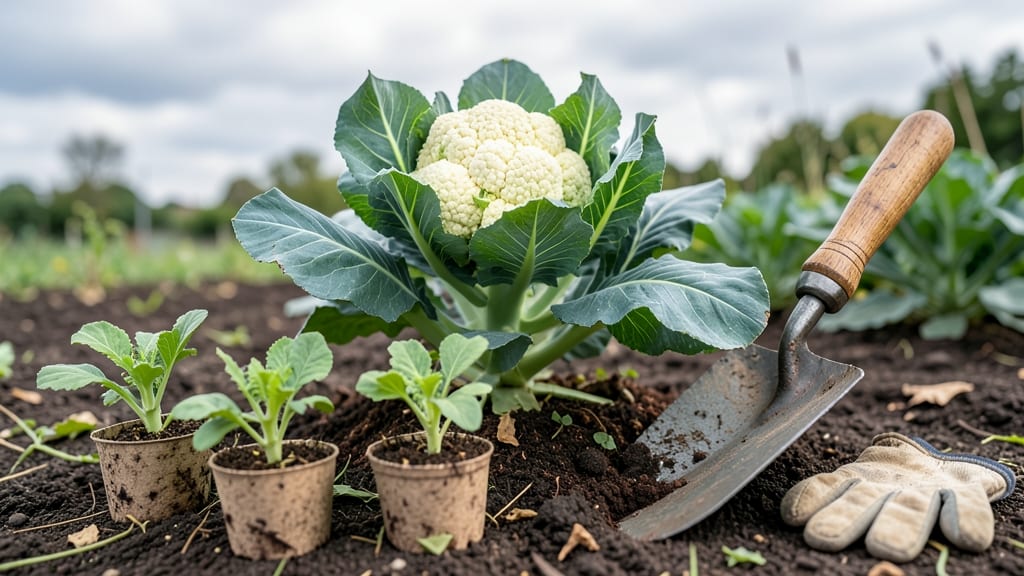
Planting cauliflower in Zone 9b’s warm climate feels like playing a high-stakes game of timing—get it right, and you’ll harvest crisp, flavorful heads; miss the mark, and you’ll end up with bitter, bolted plants.
The key? Starting seeds in fall or early spring when temperatures dip below 75°F, giving your 🥬 a fighting chance against the desert heat.
Most gardeners in Phoenix or Southern California desert regions assume cauliflower won’t thrive here, but with the right schedule, it’s totally doable. The ideal window is October through November for a winter harvest, or February to March for a spring crop—just avoid planting when summer’s relentless sun kicks in.
Why does timing matter so much? Cauliflower hates heat, and bolting (premature flowering) turns your perfect heads into bitter, inedible stalks. I’ll show you exactly how to beat the heat with shade cloth, soil prep tricks, and the best varieties for Zone 9b’s tricky climate.
Ready to grow your own cauliflower in the desert? Let’s break down the step-by-step schedule, from seed to harvest, so you can enjoy homegrown 🥬 without the stress.
Best planting windows for cauliflower in Zone 9b: fall vs. spring timing
Zone 9b’s warm winters and scorching summers make cauliflower a finicky crop—but with the right timing, you can grow crisp, flavorful heads twice a year. The key is planting when soil temps stay below 75°F and avoiding summer heat waves that trigger bolting (premature flowering).
For most of Zone 9b (think Phoenix, Palm Springs, or coastal Southern California), this means focusing on fall and early spring plantings.
Cauliflower thrives in cool-season conditions (60–75°F), so your primary planting window is late summer to early fall, with a secondary chance in late winter. In Zone 9b, where frost is rare but possible in microclimates, aim to harvest before April’s heat surge or risk stunted growth.
Let’s break down the exact planting deadlines and harvest timelines for each season.
| Planting Window | Ideal Planting Dates (Zone 9b) | Soil Temp Requirement | Days to Maturity | Harvest Window | Key Considerations |
|---|---|---|---|---|---|
| 🌱 Fall Planting (Primary) | Mid-September to October 15 | 60–75°F (cooler is better) | 70–90 days | January–March | Plant 6–8 weeks before first frost (rare in Zone 9b, but microclimates vary). Use shade cloth 30% if temps exceed 80°F. |
| 🌱 Early Spring Planting (Secondary) | Late February–March 15 | 55–70°F (avoid planting when soil >75°F) | 60–80 days | May–June | Riskier due to bolting as temps rise. Choose heat-tolerant varieties like ‘Snowball Y Improved’. |
| ❌ Summer Planting (Avoid) | April–August | Above 80°F | Bolting within 30 days | No harvest | Cauliflower hates heat. Plants will bolt (flower) prematurely, producing bitter, inedible heads. |
For fall plantings, start seeds indoors 6–8 weeks before your target transplant date (early September for most of Zone 9b). Harden off seedlings for 7–10 days before transplanting into the garden.
In spring, you can direct-sow seeds 1/4 inch deep, but seedlings are more reliable for consistent harvests.
Pro tip: Use black plastic mulch or straw mulch to keep soil temps stable and retain moisture. In desert regions like Phoenix, where soil can heat up quickly, plant in raised beds filled with 50% compost to moderate temperature swings.
This extends your planting window by 2–3 weeks compared to in-ground planting.
If you’re in a coastal Zone 9b area (like Santa Barbara or San Diego), you may have a slightly longer window—plant through early November for a winter harvest.
But inland areas should stop by October 15 to avoid heat stress. Always check your local frost dates (even if rare) to time harvests right.
Remember: Cauliflower heads form best in cool weather. If your plants start flowering too early (bolting), it’s a sign they’re too hot or stressed.
Next up, we’ll cover how to extend the cool-season window with shade cloth, succession planting, and heat-tolerant varieties to squeeze out more harvests in Zone 9b’s tricky climate. 🌿
Best planting windows for cauliflower in Zone 9b: fall vs. spring timing
Zone 9b’s warm winters and long summers make cauliflower a finicky crop—but with the right timing, you can grow crisp, flavorful heads without bolting. The key is planting when soil temps stay below 75°F and days are shorter.
For most of Zone 9b (think Phoenix, Palm Springs, or coastal Southern California), your primary window is late summer to early fall, with a smaller spring option for early harvests.
Fall plantings are your best bet because they mature before summer heat arrives. Aim to sow seeds 6–8 weeks before your average first frost (even if rare in Zone 9b, microclimates can drop below 32°F).
For most areas, that means direct-sowing seeds in late September to early October, with transplants ready by mid-October. This gives heads time to form by December–January, just as days start lengthening again.
| Planting Window | Best Months | Soil Temp | Harvest Window |
|---|---|---|---|
| Fall Planting | Late Sept–Early Oct | 60–70°F | Dec–Mar |
| Spring Planting | Feb–Early Mar | 55–65°F | May–June |
Spring plantings are trickier but possible if you start early—sow seeds indoors in January and transplant by mid-February. This gives heads time to mature by May–June before summer heat peaks.
The catch? Bolting risk increases if temps climb above 80°F during head formation. To mitigate this, use shade cloth (30–50%) and choose heat-tolerant varieties like ‘Snowball Y Improved’ or ‘Purple of Sicily’.
Pro tip: Avoid summer plantings—cauliflower hates heat and will bolt (send up a flower stalk) if exposed to consistent temps above 75°F. Even in Zone 9b’s mild winters, light frosts can damage young plants, so monitor forecasts and use row covers if temps dip below 40°F.
For container growers, move pots to a sheltered spot or under eaves during cold snaps.
Timing isn’t just about months—it’s about day length and soil conditions. Cauliflower needs 10–12 hours of daylight to form heads, so fall plantings (shorter days) work better than spring ones.
Test soil temps with a thermometer—ideal range is 60–70°F. If your soil runs hotter, wait until afternoon temps drop below 80°F before sowing.
For a continuous harvest, stagger plantings every 2–3 weeks in fall. This ensures you’re not overwhelmed with mature heads at once and maximizes your cool-season growing window.
Pair cauliflower with broccoli, cabbage, or kale—they thrive in the same conditions and make great companion plants to deter pests like cabbage moths.