
Plants
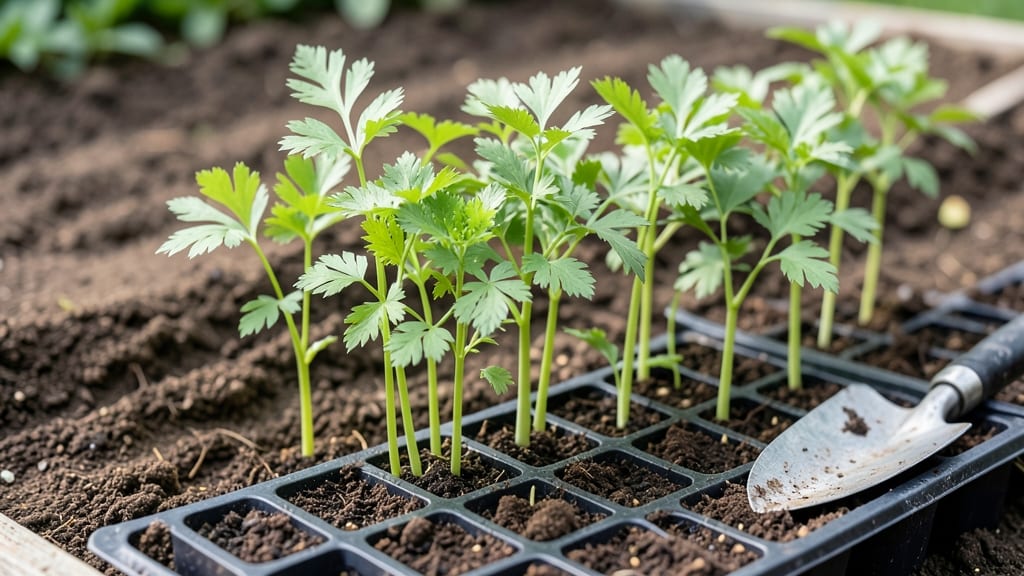
To grow sweet, crisp 🥬 celery in Zone 6, timing is everything—plant too early, and frost will kill your seedlings; too late, and the heat will make your stalks bitter.
The key lies in two precise windows: early spring (March to April) or late summer (July to August), when soil temperatures hit that sweet spot of 50°F (10°C).
Most gardeners miss the mark by focusing only on frost dates, but celery actually thrives in cooler weather. That’s why I’ve tested both planting strategies over the years—spring plantings give you a harvest by late summer, while late-summer starts reward you with fresh celery through fall.
The trick? Start seeds indoors 10-12 weeks before your last frost date, then transplant carefully when the ground warms.
Zone 6’s 6a-6b climate adds another layer of complexity, with early frosts sneaking in by mid-October. But don’t let that scare you off—with the right varieties (like cold-hardy 'Tall Utah') and a little protection (like row covers), you can stretch your harvest well into the season.
I’ll show you exactly how to time it right, avoid common pitfalls, and keep your celery growing strong until the first frost.
Ready to skip the guesswork? Whether you’re a first-time gardener or a seasoned pro, these exact planting windows and care tips will ensure your 🥬 celery grows tall, sweet, and ready for harvest. Let’s get your garden prepped the right way—no more bitter surprises!
Optimal planting months for celery in Zone 6: exact dates for success
Celery is a cool-season crop that thrives when temperatures stay between 40°F and 75°F (4°C to 24°C). In Zone 6, you’ll have two prime planting windows: early spring and late summer.
Each offers unique challenges, from avoiding frost to managing summer heat. Let’s break down the exact months and critical dates to plant for a successful harvest.
For early spring plantings, aim to sow seeds indoors 10-12 weeks before your last frost date (typically mid-March to early April in Zone 6). Transplant seedlings outdoors once soil temperatures reach at least 50°F (10°C), usually around late April to early May.
This timing ensures your celery matures before summer heat sets in, which can cause bolting (premature flowering).
If you prefer fall harvests, opt for a late summer planting between mid-July and early August. Celery sown this late will mature just before the first frost (mid-October to early November in Zone 6), giving you crisp stalks in late fall or early winter.
Use row covers or cold frames to extend the season if needed.
Here’s a quick reference for Zone 6’s frost dates and how they impact planting:
- Last frost: Mid-April to early May
- First frost: Mid-October to early November
- Frost-free days: ~165 days
| Planting Window | Best Months | Soil Temp Requirement | Key Considerations |
|---|---|---|---|
| Early Spring | March–April (indoors), April–May (outdoors) | ≥50°F (10°C) | Avoid frost; use row covers if needed. |
| Late Summer | July–August | ≥55°F (13°C) | Harvest before first frost; extend with cold frames. |
🌱 Pro Tip: Test soil temperature with a soil thermometer—celery won’t germinate well in cold soil.
If your Zone 6 sub-region experiences earlier or later frosts, adjust your timeline accordingly. For example, Zone 6a (colder) may need to plant 1-2 weeks later than Zone 6b (warmer). Always monitor local weather forecasts and use frost-sensitive varieties if planting near frost dates.
For succession planting, sow a second batch of seeds 4-6 weeks after your first transplant to ensure a continuous harvest. This works best for late summer plantings, where you can stagger sowings to spread out your harvest through fall.
Just be sure to space plants 12-18 inches apart to avoid competition.
One common mistake is planting celery too early in spring when soil is still cold. To avoid this, use a seedling heat mat or wait until soil temperatures consistently stay above 50°F (10°C).
You can also start seeds indoors under grow lights to get a head start on the season.
Finally, always harden off seedlings before transplanting. Gradually expose them to outdoor conditions over 7-10 days to prevent shock. This step is critical for celery transplants, which are delicate and prone to stress.
With these exact planting windows and soil temperature guidelines, your celery will grow sweet, crisp, and abundant—no bitter surprises here! 🌿
Cold-hardy celery varieties that thrive in Zone 6’s climate
Not all celery varieties handle Zone 6’s unpredictable spring frosts and hot summer spells equally. Choosing the right type ensures sweet, crisp stalks instead of bitter or stunted growth. My top picks for Zone 6 include cold-tolerant varieties that excel in both early spring and late summer plantings.
For early spring plantings, I recommend 'Tall Utah'—a classic that tolerates light frosts and matures quickly. Its bold flavor and thick stalks make it ideal for Zone 6’s cooler months.
If you prefer self-blanching varieties, 'Golden Self-Blanching' is a winner, with its golden-green hue and tender texture.
Late summer plantings benefit from 'Winter Pasca', a disease-resistant variety that thrives in cooler fall temperatures. It’s also slow to bolt, extending your harvest window. For compact growth, try 'Utah Improved', perfect for smaller gardens or containers.
Here’s how these varieties compare for Zone 6 success:
| Variety | Cold Tolerance | Best Planting Window | Flavor & Texture |
|---|---|---|---|
| Tall Utah | Tolerates light frosts (28°F) | Early spring (March-April) | Bold, crisp with thick stalks |
| Golden Self-Blanching | Moderate cold tolerance | Spring or fall (March or August) | Tender, golden-green and sweet |
| Winter Pasca | High cold tolerance (30°F) | Late summer (July-August) | Crisp, disease-resistant |
| Utah Improved | Moderate cold tolerance | Spring or fall (March or August) | Compact, sweet and ideal for containers |
When selecting varieties, prioritize disease resistance and bolt resistance for Zone 6’s variable climate. For example, 'Winter Pasca' resists celery mosaic virus, a common issue in humid summers. Always check seed packets for days to maturity—aim for varieties that harvest before first frost (mid-October in Zone 6).
Pro tip: If you’re succession planting for a continuous harvest, mix fast-maturing varieties like 'Utah Improved' with slower-growing types like 'Tall Utah'. This ensures you’ll have fresh celery ready from late summer through fall.
For container gardening, opt for compact varieties like 'Utah Improved' or 'Golden Self-Blanching'. These thrive in 5-gallon pots with well-draining soil, making them perfect for patios or balconies in Zone 6.
🌱