
Trees
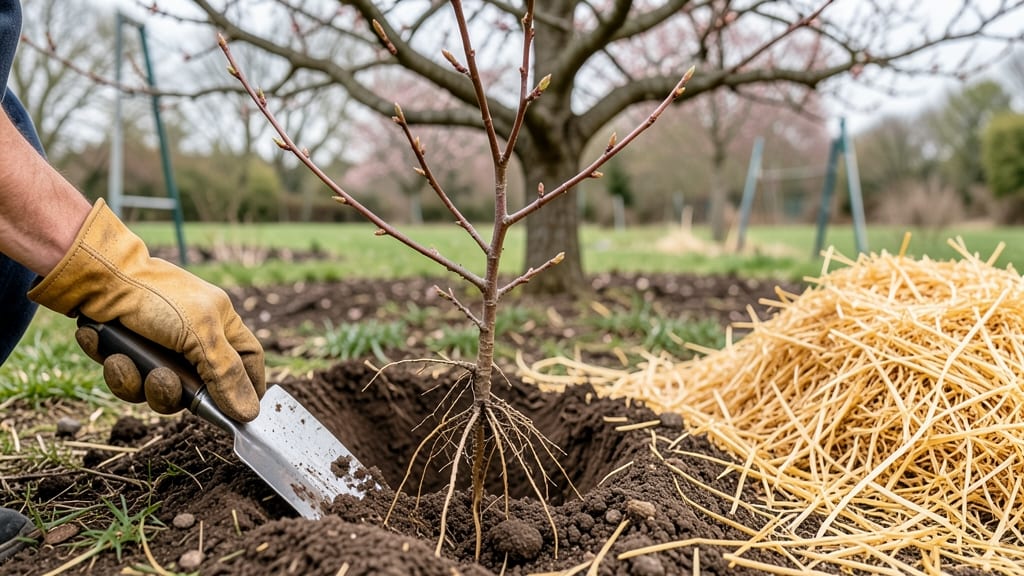
Timing your cherry tree planting in Zone 5 can make all the difference between a sturdy, fruit-bearing tree and one that struggles to take root.
The exact months for planting—early spring or fall—depend on your specific sub-zone and local frost patterns, but getting it wrong risks frost damage or poor establishment.
In Zone 5, where last frosts linger around May 10 and first frosts arrive near October 10, the window is narrow but critical. Planting your 🍒 too early exposes young roots to cold, while waiting too long can delay root growth before winter sets in.
Let’s break down the ideal schedule so you can set your cherry tree up for success from day one.
Whether you’re planting bare-root saplings or container-grown trees, the key is understanding how soil temperatures and frost dates interact. We’ll cover when to dig, how to prep your site, and why some growers swear by fall planting while others prefer spring.
Avoid common mistakes that lead to stunted growth or winter loss—your future harvest depends on it.
Ready to plant with confidence? I’ll walk you through the step-by-step process, including soil prep, variety-specific tips, and early care routines tailored for Zone 5’s unique climate. By the end, you’ll know exactly when to plant your cherry tree for a thriving orchard in just a few years.
Best months to plant cherry trees in Zone 5 for maximum survival
Planting your cherry tree in Zone 5 at the right time ensures strong root establishment before extreme cold or heat. The ideal window is either early spring (March-April) or fall (September-November), when soil temperatures are cool but workable.
This timing allows roots to grow before dormancy or summer stress sets in.
In Zone 5, last frost dates typically arrive around May 10, but planting too late in spring risks root shock from summer heat. Fall planting should occur 4-6 weeks before the first frost (around October 10) to give roots time to settle before winter.
Container-grown trees offer more flexibility but still benefit from these seasonal windows.
Here’s why timing matters: Bare-root trees planted in spring need 6-8 weeks to establish roots before summer drought, while fall-planted trees must harden off before winter. Container-grown trees can handle late spring planting but may struggle if roots circle the pot.
| Planting Window | Soil Temp | Key Consideration | Risk if Missed |
|---|---|---|---|
| Early Spring (March-April) | 40-50°F | Roots establish before summer heat | Root shock from late heat |
| Fall (September-November) | 50-60°F | Avoids summer drought stress | Frost damage to new roots |
| Late Spring (May) | 60°F+ | Only for container-grown trees | Poor root growth, wilting |
Zone 5’s short growing season (about 160 frost-free days) means you must time planting to maximize root growth. For sweet cherries, prioritize spring planting to avoid winter dieback, while tart cherries (like Montmorency) handle fall planting better due to their hardiness.
Always check your local frost dates—they can vary by 1-2 weeks even within Zone 5.
Pro tip: If planting in fall, water deeply before the ground freezes to prevent drought stress the following spring. Mulch with 3-4 inches of wood chips to insulate roots. For spring planting, avoid working wet soil—wait until it’s crumbly but not sticky to prevent compaction.
Common mistakes in Zone 5 include planting too late in spring (after May 15) or too early in fall (before September 15). Both scenarios leave trees vulnerable to extreme temperatures. Use a soil thermometer to confirm ideal planting temps—40-60°F is perfect for root development.
Remember: Bare-root trees must be planted immediately upon arrival, while container-grown trees can wait 1-2 weeks if roots are root-bound. Prune any broken branches during planting, but avoid heavy pruning—save that for dormant season (late winter).
For Zone 5b (colder microclimates), lean toward fall planting to give roots extra time to harden. In Zone 5a (warmer microclimates), early spring planting reduces summer stress. Always choose a sunny, sheltered spot to protect young trees from harsh winds.
Finally, mark your calendar: March 15-April 15 for spring planting and September 15-October 15 for fall planting. These dates align with Zone 5’s average last/first frost windows and give your cherry trees the best chance to thrive.
How to prepare your Zone 5 soil and site before cherry tree planting
Before you plant your cherry tree in Zone 5, proper soil preparation and site selection are just as critical as timing. Cherry trees thrive in well-draining, slightly acidic soil with a pH between 6.0 and 6.5.
If your soil is heavy clay or compacted, amend it with organic matter like compost or aged manure to improve aeration and drainage.
Start by testing your soil pH using a home test kit or send a sample to your local Cooperative Extension Service. If the pH is too high (alkaline), mix in sulfur or peat moss to lower it gradually.
Avoid quick fixes like lime, which can push the pH even higher and stress your young tree.
🚨 CRITICAL PREP STEP: Cherry trees hate soggy roots, so avoid low-lying areas where water pools.
Choose a spot with full sun exposure (at least 6-8 hours daily) and space at least 20 feet apart from other trees or structures to allow for their mature size (15-40 feet tall).
Cherry trees are highly susceptible to root rot if planted in waterlogged soil. If your yard has clay-heavy soil, consider planting on a mound or raised bed to ensure proper drainage. Never plant in a depression where spring meltwater collects.
Dig a planting hole twice as wide as the root ball but no deeper. This encourages the tree’s roots to spread outward rather than settling into a compacted layer at the bottom.
Loosen the native soil around the edges of the hole to reduce resistance as roots grow into the surrounding earth.
Mix the removed soil with compost or well-rotted manure (about 25-30% organic matter) to enrich it before backfilling. Avoid using fresh mulch or wood chips directly against the trunk—keep a 3-inch gap to prevent moisture buildup and potential rot.
Finally, install a drip irrigation system or soaker hose near the base of the tree to provide consistent moisture during the first 2-3 years while the roots establish. Water deeply once a week in the first year, ensuring the soil is moist but not waterlogged.