
Plants
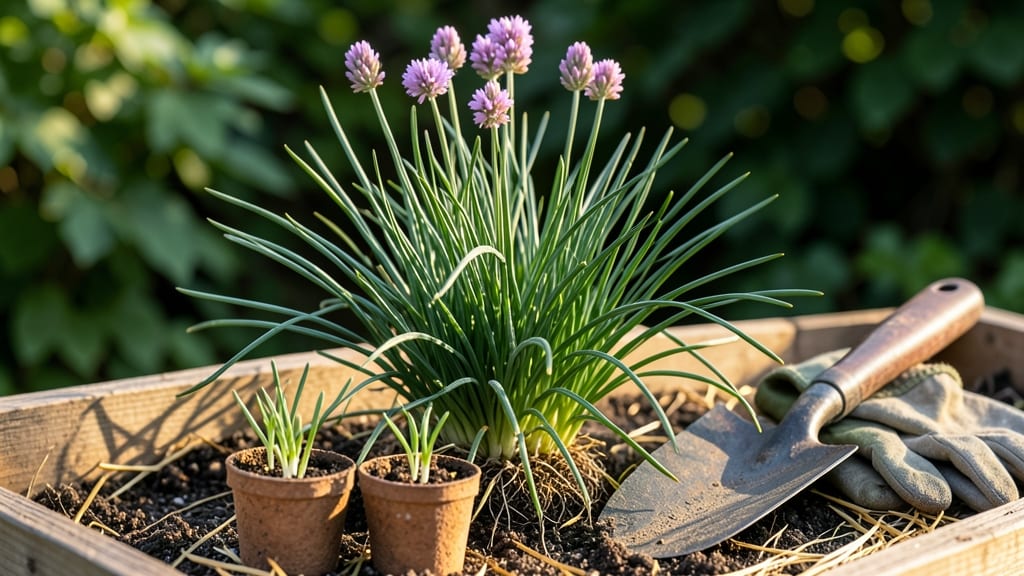
Planting chives in Zone 7 at the wrong time can leave you waiting months for those fresh, purple-stalked greens you crave. The key to a steady harvest lies in understanding the perfect windows—and trust me, timing makes all the difference.
Whether you're a seasoned gardener or just starting with 🌱 chives, knowing when to plant ensures your garden thrives. In Zone 7, early spring or early fall are your best bets, but there’s more to it than just picking a season.
Let’s break down exactly when to start for the most flavorful, year-round chives.
Spring planting gives you a jumpstart on growth, while fall sowing can extend your harvest into next year. Both have their advantages, and I’ll show you how to choose the right approach for your garden. Ready to grow chives that keep coming back?
With the right timing, you’ll enjoy fresh chives from spring through fall—and maybe even longer with a few simple tricks. Let’s get your chives in the ground at the perfect moment for maximum success.
Optimal planting windows for chives in Zone 7: spring vs fall breakdown
Choosing the right time to plant chives in Zone 7 can make the difference between a thriving herb garden and a struggling crop. Since chives are hardy perennials, they thrive with proper timing—either in early spring or early fall.
Let’s break down the best windows for each season to maximize your harvest.
In Zone 7, the last frost date typically falls around March 15, while the first frost arrives near November 15. This means you have a 190-day growing season, perfect for chives, which grow quickly and tolerate cooler temperatures.
Spring planting gives you an early harvest, while fall planting ensures a longer harvest window the following year.
Spring planting should begin 4-6 weeks before your last frost, which in Zone 7 means early March to mid-April. This timing allows chives to establish roots before summer heat arrives.
Fall planting, on the other hand, should occur 6-8 weeks before the first frost, or late August to early October. Planting in fall gives chives time to root before winter dormancy, ensuring a stronger start in spring.
🌱 Spring vs Fall Planting Comparison for Chives in Zone 7
| Factor | Spring Planting | Fall Planting |
|---|---|---|
| Planting Window | Early March to mid-April | Late August to early October |
| Soil Temperature | 40-50°F (4-10°C) | 50-60°F (10-15°C) |
| Frost Risk | Low (after last frost) | Moderate (before first frost) |
| Growth Cycle | 60-75 days to harvest | Establishes roots for spring harvest |
| Harvest Window | Spring to early fall | Early spring to summer |
| Best For | Quick harvests, summer use | Year-round harvests, overwintering |
Spring planting offers the advantage of earlier harvests, often as early as 60-75 days after sowing. This makes chives available for spring soups, salads, and garnishes when other herbs may still be dormant.
However, spring-planted chives may bolt in late summer if temperatures rise too high, reducing their flavor and yield.
Fall planting, while less intuitive, provides a longer harvest window the following year. Chives planted in late summer establish roots before winter, then rebound quickly in spring. This method also reduces the risk of bolting, as cooler fall temperatures encourage steady growth.
Plus, fall-planted chives often survive winter with minimal protection, giving you a head start on the season.
If you’re unsure which to choose, consider planting half your chives in spring and half in fall. This succession planting strategy ensures a continuous supply of fresh chives from early spring through late fall.
Just remember to space them properly—chives need 6-12 inches between plants to thrive and prevent overcrowding.
Another key factor is soil preparation. Chives prefer well-draining, slightly acidic soil (pH 6.0-7.0). Amend your soil with compost or aged manure before planting, whether in spring or fall. This ensures your chives have the nutrients they need to establish strong roots and resist diseases.
For container gardening, timing is equally critical. Plant chives in pots 4-6 weeks before the last frost for spring or 6-8 weeks before the first frost for fall. Use a lightweight potting mix and ensure containers have drainage holes to prevent root rot.
Containers also allow you to move chives indoors during extreme heat or cold, extending their growing season.
Finally, don’t overlook mulching as a way to protect your chives. Apply a 2-3 inch layer of mulch around the base of plants in both spring and fall. This helps retain moisture, regulate soil temperature, and suppress weeds, giving your chives the best chance to thrive year-round.
Optimal planting windows for chives in Zone 7: spring vs fall breakdown
Choosing the right time to plant chives in Zone 7 can mean the difference between a thriving herb garden and a disappointing harvest. Since chives are hardy perennials, they thrive when planted during two key windows: early spring or early fall.
Each season offers unique advantages, depending on your goals—whether you want early harvests or extended growing seasons.
In Zone 7, the last frost date typically falls around mid-March, while the first frost arrives by mid-November. This gives you a 190-day frost-free window, perfect for planning your chive planting strategy.
Spring planting ensures earlier harvests, while fall planting allows chives to establish roots before winter dormancy, often resulting in vigorous regrowth the following spring.
| Factor | Spring Planting (March–April) | Fall Planting (August–October) |
|---|---|---|
| Planting Window | 4–6 weeks before last frost | 6–8 weeks before first frost |
| Soil Temperature | 40–50°F (4–10°C) | 50–60°F (10–15°C) |
| Growth Cycle | 60–75 days to harvest | Establishes roots; harvests next spring |
| Frost Risk | Low (plant after frost) | Moderate (use mulch for protection) |
| Best For | Early-season harvests | Year-round productivity |
For spring planting, aim to sow chive seeds or transplant seedlings 4–6 weeks before your last frost date. In Zone 7, this typically means early March to mid-April.
Chives grow quickly in cooler temperatures, so they’ll establish roots before summer heat arrives. If you’re starting from seeds, consider indoor seed starting in February to give them a head start.
Fall planting, on the other hand, involves sowing chives 6–8 weeks before the first frost, usually late August to early October in Zone 7. This timing allows chives to develop a robust root system before winter dormancy.
The key here is to mulch heavily with straw or leaves to insulate the soil and protect the plants from freezing temperatures. With this method, you’ll often see earlier and more abundant harvests the following spring.
One common mistake is planting chives too late in spring or too early in fall, which can leave them vulnerable to extreme heat or early frost. Always monitor your local frost dates and adjust your planting schedule accordingly.
For maximum yield, consider planting chives in both spring and fall—this ensures a continuous supply of fresh chives throughout the year.
Whether you choose spring or fall planting, chives are remarkably low-maintenance and disease-resistant. Their hardy nature makes them an excellent choice for both beginner gardeners and seasoned pros looking to add a perennial herb to their garden.
With the right timing, you’ll enjoy fresh chives for salads, soups, and garnishes all season long!