
Companion Plants
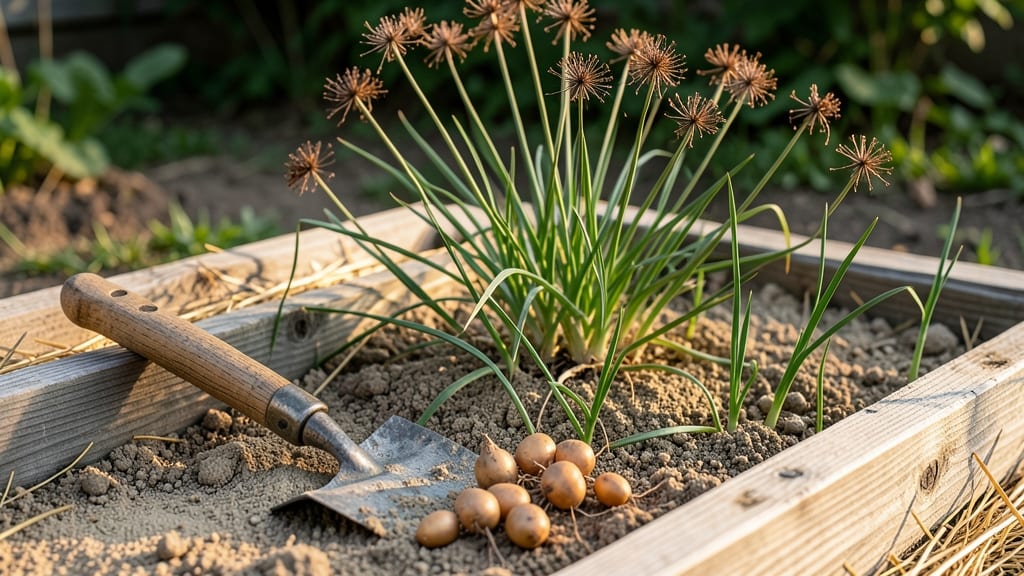
Planting chufa 🌾 in Alabama isn't just about dropping tubers in the dirt—it's about catching that perfect window when the soil warms up enough to kickstart growth. Get it wrong, and you might end up with stunted plants or worse, no harvest at all.
Alabama's 8A-8B zones give you a narrow but critical window between late spring and early summer, where soil temperatures finally climb to the 60°F+ range that chufa craves.
I've learned the hard way that rushing the process—planting too early when the ground is still cool—can leave your chufa struggling to establish roots. But timing it just right means healthier plants, faster germination, and that satisfying crunch of homegrown tiger nuts by harvest season.
Let me walk you through exactly when to plant for your specific part of Alabama, so you can avoid common mistakes and maximize your yield.
Whether you're in the cooler northern reaches of the state or the warmer southern regions, understanding your local frost dates and microclimates makes all the difference.
We'll cover how to prep your soil, when to expect those first sprouts, and how to adjust your planting schedule if Mother Nature throws you a curveball. Your successful chufa harvest starts with getting this one step right.
From pre-sprouting tips to post-planting care, I'll share the exact techniques I've used to grow thriving chufa plants in Alabama's climate. By the end, you'll know not just when to plant, but how to set your crop up for success from day one.
Let's get those tubers in the ground at the perfect time!
Optimal soil temperature and planting windows for Alabama’s 8A-8B zones
Alabama’s 8A-8B growing zones create perfect conditions for chufa (Cyperus esculentus), but soil temperature is the key factor in determining when to plant. Unlike many crops, chufa requires warm soil—at least 60°F (15°C)—to germinate successfully.
In Alabama, this typically aligns with late April to early May in most regions, but timing can shift 1-2 weeks earlier in South Alabama’s warmer microclimates.
North Alabama gardeners in Zone 8A should wait until after the average last frost date (March 15) and confirm soil warmth before planting. South Alabama’s Zone 8B can start as early as mid-April, but always test soil temperature with a soil thermometer to avoid cold-soil risks.
Chufa tubers planted in cooler soil may rot or fail to sprout entirely.
For a second planting window, Alabama gardeners can also sow chufa in late August to early September to take advantage of the state’s long growing season.
This fall planting allows tubers to mature before first frost (November 15), but requires careful monitoring of soil moisture and drainage to prevent rot in Alabama’s humid climate.
| Planting Window | Soil Temp Requirement | Zone 8A Timing | Zone 8B Timing | Key Consideration |
|---|---|---|---|---|
| Spring Planting | 60°F+ (15°C+) | Late April - Early May | Mid-April - Late April | Avoid early planting in cold soil |
| Fall Planting | 60°F+ (15°C+) | Late August - Early September | Early August - Mid-September | Monitor for first frost (Nov 15) |
| Soil Prep | N/A | Test pH (6.0-7.0) | Test pH (6.0-7.0) | Amend with compost for drainage |
| Planting Depth | N/A | 1-2 inches deep | 1-2 inches deep | Use well-draining soil mix |
Alabama’s microclimates play a crucial role in chufa success. Urban areas like Birmingham (Zone 8A) may experience earlier soil warming due to heat islands, while rural North Alabama might need to delay planting until mid-May.
Always check local Alabama Cooperative Extension resources for frost-free date updates, as these can shift slightly year-to-year.
Once soil reaches the optimal temperature, chufa tubers should be planted 1-2 inches deep and spaced 6-12 inches apart in rows 18 inches apart. This spacing allows for proper tuber development and reduces competition.
In Alabama’s clay-heavy soils, consider amending with sand or compost to improve drainage—a common issue that stunts chufa growth.
After planting, maintain consistent moisture without waterlogging, as chufa tubers are highly sensitive to rot in Alabama’s humid summers. Mulching with straw or pine needles helps regulate soil temperature and retain moisture, creating ideal conditions for tuber formation.
In South Alabama’s hotter climate, shallow mulch layers prevent overheating while still protecting tubers.
One of the biggest mistakes Alabama gardeners make is planting too early based on air temperature alone. Always prioritize soil temperature over calendar dates. Use a soil thermometer to confirm 60°F+ at 4-inch depth before planting.
This simple step can mean the difference between a failed crop and a bountiful harvest of tiger nuts.
For gardeners in Zone 8A, aim to complete spring planting by early June to allow tubers 120-150 days to mature before frost. In Zone 8B, a second fall crop can extend the growing season into October, but monitor weather forecasts closely for early cold snaps.
With the right timing, Alabama’s climate can produce two chufa harvests per year!
🌱
Optimal soil temperature and planting windows for Alabama’s 8A-8B zones
Chufa tubers need soil temperatures of at least 60°F to germinate properly, and Alabama’s 8A-8B zones give you two ideal planting windows: late spring (April-May) and early fall (August-September).
The key difference? Spring planting gives you a full growing season before winter, while fall planting avoids summer heat stress in Zone 8A’s hottest months.
In North Alabama (Zone 8A), where last frost dates average March 15, wait until mid-April to plant—soil warms slower here. For South Alabama (Zone 8B), you can start as early as late March, but monitor soil temps with a soil thermometer to avoid planting too soon.
| Zone | Best Planting Window | Soil Temp Requirement | Key Consideration |
|---|---|---|---|
| 8A (North AL) | April 15–May 15 | 60°F+ | Wait for consistent warmth; frost risk until mid-March |
| 8B (South AL) | March 20–April 30 | 60°F+ | Soil warms faster; monitor for early sprouting |
| Both Zones | August 15–September 15 | 65°F+ | Avoid summer heat; tubers mature before winter |
For fall planting, aim to finish by September 15 in Zone 8A to ensure tubers mature before the first frost (November 15). In Zone 8B, you have until late September, but watch for early cold snaps.
A black plastic mulch can extend your fall window by 2-3 weeks by trapping heat.
Pro tip: Pre-sprout your chufa tubers indoors 2 weeks before planting to jumpstart growth. Place them in a moist paper towel in a warm spot (70°F+) until sprouts appear—this gives you a 10-day head start on germination once in the ground.
Microclimates matter! If you’re in a valley or low-lying area, soil warms 1-2 weeks earlier than hilltops. Use a soil thermometer for 3 consecutive days at 60°F+ before planting—this is your green light to start.
Remember, chufa tubers need 120-180 days to mature. Planting in late May risks harvests too close to frost, while August planting gives you tubers ready by October-November—just in time for holiday snacks!