
Trees
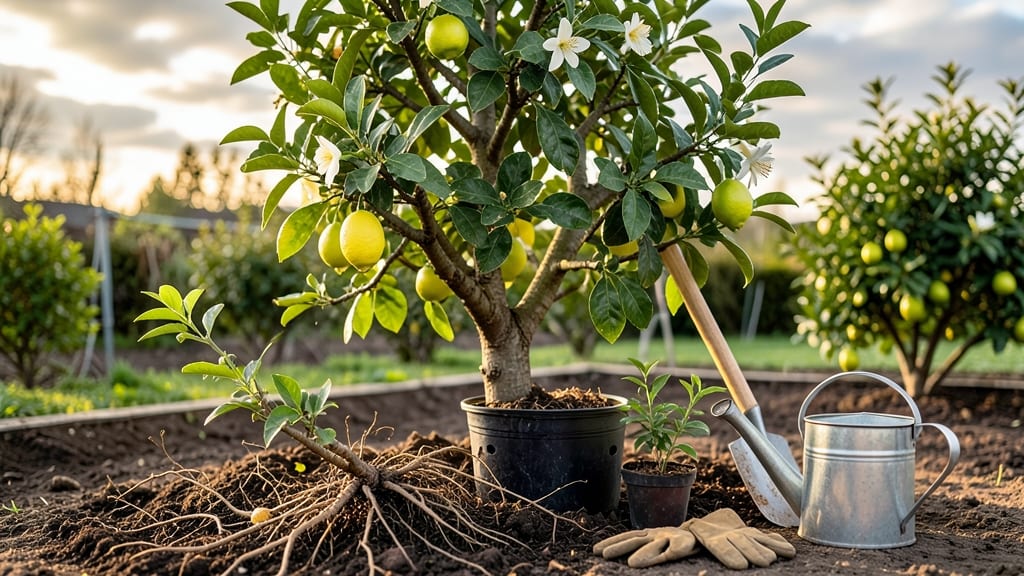
Planting a citrus tree in Arizona’s 9b zone during the wrong season can mean the difference between a thriving 🍊 orchard and a sad, sun-scorched sapling. The key to success lies in timing—avoiding the brutal summer heat while giving young roots a fighting chance in cooler months.
Most Arizona gardeners know citrus loves warmth, but few realize that the best planting window is actually from November through March. This period lets your tree establish roots before summer’s relentless sun arrives, reducing stress and improving survival rates.
In this guide, I’ll break down exactly when to plant your citrus tree—whether you’re in Phoenix’s desert or Flagstaff’s cooler microclimate—and how to prepare it for Arizona’s extreme conditions. You’ll learn the critical steps to avoid common mistakes that kill young trees before they even take root.
Ready to grow a citrus tree that survives (and thrives) in Arizona’s heat? Let’s get started with the perfect planting schedule and care tips tailored just for your region.
Best months to plant citrus trees in Arizona’s heat zones
Arizona’s USDA Zone 9b climate offers a long growing season, but citrus trees need precise timing to thrive. The ideal planting window spans from November through March, when temperatures are cooler and soil moisture is more stable.
This period avoids the brutal summer heat that can shock young roots.
Citrus trees are tropical evergreens that despise cold snaps, even in Arizona’s high desert. While frost is rare, unexpected dips below 28°F can kill young trees. Planting in late fall or winter gives roots time to establish before summer’s intensity arrives.
Here’s how Arizona’s microclimates influence planting timing: Low Desert areas (like Phoenix and Tucson) have milder winters, while High Desert regions (Prescott, Flagstaff) face colder nights. Adjust your schedule accordingly—plant 1-2 weeks earlier in cooler zones.
Soil temperatures matter too. Citrus roots thrive when soil stays above 60°F. In Arizona, this typically happens by March in most areas, but November planting is ideal for Low Desert zones where winter temps rarely drop below freezing.
Now, let’s break down the optimal planting months with key details to ensure your citrus tree gets off to the best start.
Citrus Planting Timeline for Arizona
| Month | Low Desert (Phoenix/Tucson) | High Desert (Prescott/Flagstaff) | Soil Temp Requirement | Key Consideration |
|---|---|---|---|---|
| November | ✅ Best time | ⚠️ Risk of frost | 55-65°F | Cooler temps reduce transplant shock |
| December | ✅ Ideal | ❄️ Frost possible | 50-60°F | Use frost cloth for High Desert |
| January | ✅ Safe | ❄️ Frost risk | 50-60°F | Monitor nighttime temps |
| February | ✅ Excellent | ✅ Safe | 55-65°F | Soil warms up for root growth |
| March | ✅ Last chance | ✅ Safe | 60-70°F | Avoid midday planting heat stress |
| April | ⚠️ Risky | ❌ Avoid | 70°F+ | Extreme heat stress for young trees |
🌱 Pro Tip: For container-grown citrus, you can plant up to May in Low Desert areas, but provide afternoon shade for the first 2 weeks.
If you’re planting in High Desert areas, prioritize November or February to avoid frost. In Low Desert zones, December through February is perfect—just be ready to protect young trees with frost blankets if temps dip unexpectedly.
For bare-root citrus trees, plant as soon as possible after purchase, but no later than March. Container-grown trees are more flexible and can handle April planting if you provide daily shade during the hottest hours.
Remember, citrus trees need 6+ hours of sunlight daily, so choose a location with full sun exposure. In Arizona’s intense light, young trees may need partial shade for the first month to prevent leaf scorch.
Once planted, focus on
How to prepare citrus trees for Arizona’s summer heat before planting
Arizona’s brutal summer heat can shock young citrus trees if they’re not properly prepared. The key is to acclimate nursery trees gradually and amend soil to improve heat resistance. Start by selecting heat-tolerant varieties like Meyer lemons or Satsuma mandarins, which handle Arizona’s climate better than standard types.
Before planting, inspect your citrus tree for dormant buds—if they’re still tight, the tree isn’t fully hardened. If you buy potted trees, let them sit outdoors in partial shade for 3–5 days before transplanting. This mimics Arizona’s dry heat and reduces transplant shock.
Arizona’s alkaline soil (pH 7.5–8.5) is another challenge. Test your soil and lower pH slightly by mixing in sphagnum peat moss or composted pine bark to the planting hole. Citrus trees thrive in slightly acidic soil (pH 6.0–7.0), and this adjustment prevents nutrient deficiencies.
Mulch heavily with 3–4 inches of organic mulch (straw, wood chips) to retain moisture and regulate soil temperature. Keep mulch 6 inches away from the trunk to prevent rot. Water deeply 3–5 days before planting to rehydrate roots and reduce transplant stress.
Choose a south-facing location with afternoon shade if possible. Citrus trees need full sun (6+ hours daily), but young trees benefit from afternoon shade during Arizona’s 110°F+ heatwaves. Use shade cloth (30–50%) temporarily until roots establish.
After planting, water immediately with a slow, deep soak (1–2 gallons for young trees). Schedule watering for early morning (5–8 AM) to minimize evaporation. Avoid wetting foliage to prevent fungal diseases like citrus scab, common in Arizona’s humid monsoon season.