
Plants
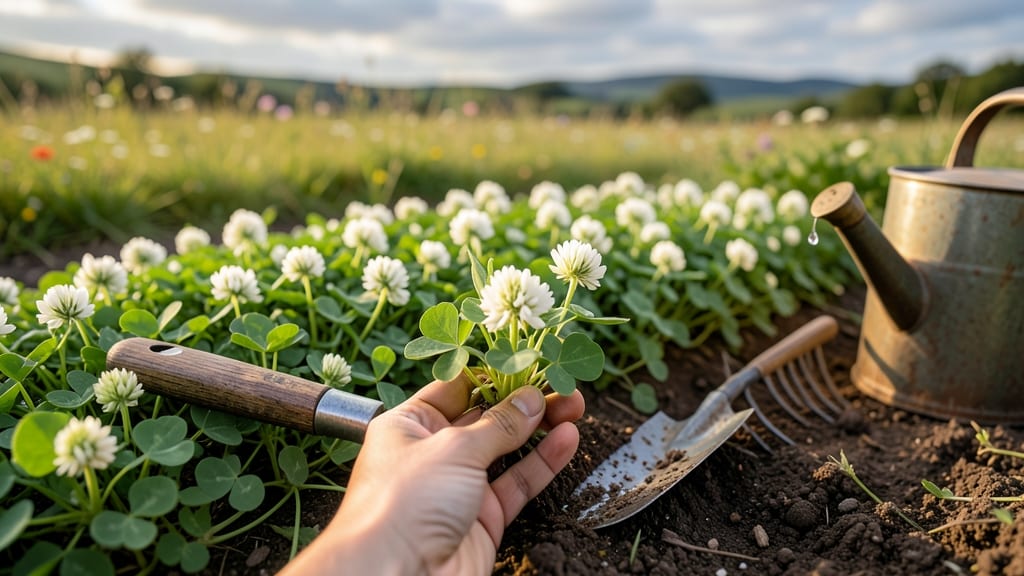
Timing your clover planting in Utah wrong could mean struggling with late frosts or scorching summer heat—two of the biggest challenges for gardeners here. The key to success lies in understanding your local elevation zone, since Salt Lake City’s 6b climate behaves very differently from St. George’s 8a conditions.
Most Utah gardeners get it right by planting 🌱 clover in early spring (March–April) or early fall (September–October), when soil temperatures are just right. But if you’re in the high desert, you’ll need to adjust your schedule to avoid those pesky late spring frosts that can still linger into May.
I’ll walk you through exactly when to plant based on your elevation—whether you’re in the Wasatch Front or the southern valleys—plus the best clover varieties that thrive in Utah’s unique growing conditions. No more guessing games, just proven strategies for a lush, low-maintenance ground cover.
Ready to transform your soil and reduce weeds naturally? Let’s dive into the perfect planting schedule for your specific corner of Utah, so you can enjoy year-round benefits without the trial and error.
Utah’s clover planting calendar by elevation Zone (low to high altitude)
Utah’s dramatic elevation shifts—from the desert lowlands of St. George (2,800 ft) to the alpine slopes of Park City (8,000+ ft)—create wildly different frost-free windows for clover. Planting at the wrong time risks seed rot from cold soil or heat stress in summer.
Let’s break down the ideal planting windows by zone, so you can grow clover successfully whether you’re in Zone 7a (Salt Lake Valley) or Zone 4b (Ogden Valley).
For low-elevation areas (4,000–6,000 ft), like Southern Utah (St. George, Cedar City), the frost-free season stretches from mid-March to early November. This gives you a 240-day growing window, perfect for sowing clover in early spring (March) or late summer (August) to avoid summer heat.
Higher elevations, however, have shorter seasons—8,000+ ft areas (Park City, Heber Valley) only get 90–120 frost-free days, so timing is critical.
Soil temperature is your best guide: clover seeds need soil at 50°F or warmer to germinate. In low desert zones (e.g., Washington Fields), soil warms quickly by mid-March, while mountain valleys (e.g., Logan Canyon) may not reach this until late April or May. Use a soil thermometer to confirm—don’t guess!
Here’s the golden rule: plant clover 4–6 weeks before your last expected frost in spring or 6–8 weeks before your first frost in fall. This buffer ensures seeds germinate before cold snaps or heatwaves arrive.
For example, in Salt Lake City (Zone 6b), aim for March 15–April 15 in spring or September 1–15 in fall.
| Elevation Zone | Last Frost Date | First Frost Date | Ideal Planting Window | Soil Temp Requirement |
|---|---|---|---|---|
| 4,000–6,000 ft (St. George, Cedar City) | March 15–April 1 | October 30–November 15 | March 1–April 15 OR August 15–September 15 | 50°F+ (soil warms fast) |
| 6,000–8,000 ft (Salt Lake City, Provo) | April 15–May 1 | October 15–20 | April 1–May 15 OR September 1–15 | 50°F+ (soil warms slowly) |
| 8,000+ ft (Park City, Ogden Valley) | May 15–June 1 | September 15–October 1 | May 1–June 15 (spring only) | 50°F+ (late season only) |
Notice how higher elevations eliminate fall planting? In Park City (8,000+ ft), the first frost hits by September 15, leaving no room for a fall crop. Instead, focus on late spring planting (May–June) when soil finally warms.
For low desert areas, you can even squeeze in a summer planting (August) to establish clover before monsoon rains.
Pro tip: White Dutch clover germinates fastest (7–14 days) and thrives in Utah’s heat, making it ideal for low-elevation zones. Red clover, however, prefers cooler temps and works better in mid-elevation areas (6,000–8,000 ft).
Alsike clover, while nitrogen-rich, struggles in Utah’s alkaline soils—stick to the first two varieties unless you’ve amended your soil with gypsum or sulfur.
One common mistake? Planting too early in cold, wet springs (like 2019’s late frost in Salt Lake). If your soil is below 50°F or soggy, seeds will rot.
Wait for consistently dry, warm conditions—even if it means delaying until late April. Patience pays off with vigorous, disease-resistant clover.
For urban gardeners in Salt Lake City, microclimates matter. A south-facing yard warms up faster than a north-facing one, so adjust your planting date accordingly. If your garden is in a frost pocket (common in valleys), err on the side of
How to adjust planting timing for Utah’s microclimates and soil conditions
Utah’s microclimates can shift planting windows by weeks—even within the same county. Urban areas like Salt Lake City (USDA Zone 6b) often experience heat islands that delay frost, while rural high-desert regions (Zone 5) may face earlier freezes. Always check your local frost dates—they’re not just academic!
For sandy soils common in southern Utah (e.g., St. George), plant white Dutch clover in late February to capitalize on spring moisture. These soils warm faster, giving you a 2-3 week head start over heavier clay soils found in the Wasatch Front.
Test your soil’s moisture retention—if it drains like a sieve, add compost to hold water.
Clay-heavy soils in northern Utah (e.g., Ogden) demand patience. Wait until mid-April to plant, when soil temps consistently hit 50°F. Cold clay soils can suffocate seeds, so consider starter fertilizer to kickstart growth. A simple soil thermometer ($10 at garden centers) saves guesswork.
🌱Row covers are your best friend for extending Utah’s short growing season. Use them to plant red clover as early as February in Zone 8a (e.g., Cedar City) or push fall plantings into late October in Zone 6b. Remove covers when flowers appear to prevent overheating.
⚠️ WARNING: Utah’s False Springs
Don’t be fooled by unseasonable warmth in March or September—Utah’s mountain valleys can experience late frosts well after the calendar suggests. Plant alsike clover after April 15 in high desert areas (7,000+ ft) to avoid 50% seed loss from unexpected freezes.
🌡️ Pro Tip: Monitor National Weather Service alerts for "frost advisories" and keep a 10-gallon bucket of ice on hand to protect young seedlings overnight.
Adjust for urban heat too. Sidewalks and buildings in Park City can create microclimates 5°F warmer than surrounding areas. Plant white clover in shaded urban gardens 2 weeks later than full-sun rural plots to prevent heat stress during Utah’s dry summers.
Finally, mulch matters. Apply 2–3 inches of straw mulch after planting to retain moisture and moderate soil temps. In Zone 5 areas (e.g., Logan), this can push your fall planting window into early November—just don’t mulch too early, or seeds may rot.
💧 Key Takeaway: Utah’s clover success hinges on soil prep and microclimate awareness. Test your soil, time your plantings, and use protective covers to turn Utah’s unpredictable climate into an advantage for lush, nitrogen-rich ground cover.