
Plants
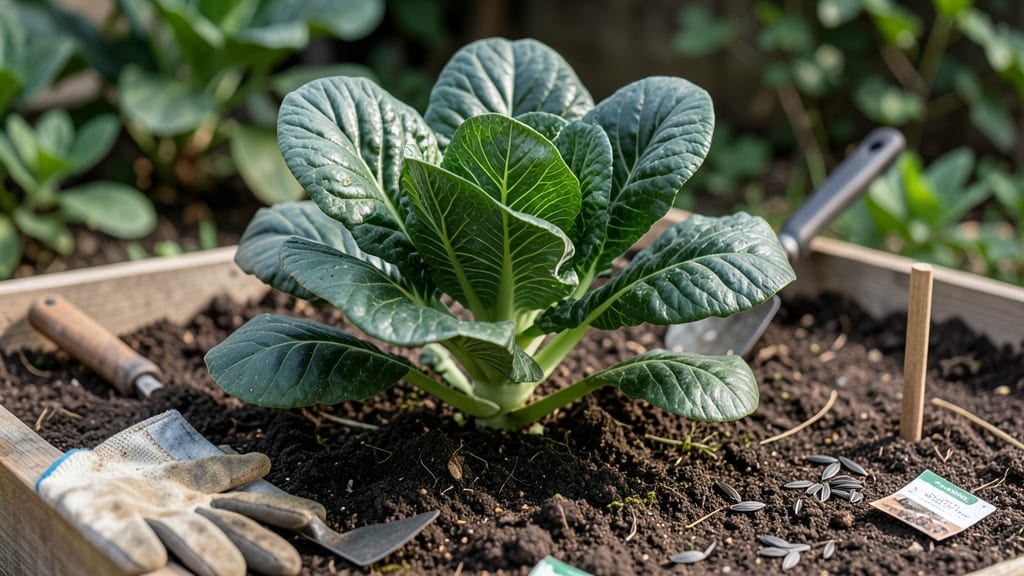
Planting your collard seeds 🥬 at the wrong time in North Carolina can turn a promising harvest into a sad, wilted disappointment—but getting the timing right means tender, frost-sweetened greens straight from your garden.
The key isn’t just knowing when to plant; it’s matching your county’s frost dates to the right variety for your climate zone.
With North Carolina’s 7a-8b zones stretching from the Coastal Plain to the mountains, your neighbors’ planting schedule might not work for you.
Whether you’re in the warm Lowcountry or the cooler Appalachian foothills, I’ll break down the exact windows—mid-March to late August—that separate a thriving crop from a failed experiment.
You’ll discover how to time your seeds for both spring and fall harvests, avoid common pitfalls like planting too early in frost-prone areas, and even extend your collard season with simple tricks. Let’s turn your garden into a year-round source of those rich, flavorful greens you’ve been craving.
Ready to stop guessing and start growing? The frost-date cheat sheet you need is just a few paragraphs away—and it’s tailored to your specific corner of North Carolina.
NC collard planting zones by county: frost dates & ideal timing
North Carolina’s 100+ counties span USDA zones 7a-8b, creating wildly different frost patterns. Coastal areas like Carteret County average last frosts in mid-March, while mountain regions like Haywood County can see frost until mid-April.
This means your collard planting window shifts dramatically—plant too early in the mountains, and frost will kill seedlings; too late in the coast, and summer heat will bolt your greens.
For year-round collard success, focus on two key planting windows: early spring (March-April) for fall harvests and late summer (August-September) for winter yields. The Coastal Plain (e.g., Brunswick, Craven) can even plant February seeds under row covers, while the Piedmont (e.g., Mecklenburg, Wake) should wait until mid-April.
Here’s how to match your county to the right timing—plus variety recommendations for heat vs. cold tolerance. Pro tip: Use black plastic mulch to extend coastal fall seasons by 4-6 weeks.
🥬
| Region | Key Counties | Last Frost (Avg.) | First Frost (Avg.) | Spring Planting Window | Fall Planting Window | Best Varieties |
|---|---|---|---|---|---|---|
| Coastal Plain | Carteret, Craven, Brunswick | Mid-March | Mid-November | February–March | August–September | 'Champion' (heat-tolerant) |
| Piedmont | Wake, Mecklenburg, Guilford | Mid-April | Late November | April–May | July–August | 'Georgia Southern' (cold-hardy) |
| Mountains | Haywood, Ashe, Mitchell | Late April | Early November | May–June | June–July | 'Vates' (slow-bolt) |
In Coastal NC, where winters are mild, you can even plant collard seeds in October for a winter harvest—just use row covers if temps dip below 20°F. Meanwhile, mountain gardeners should prioritize late-summer sowings (June-July) to avoid early frosts cutting harvests short.
For succession planting, sow new seeds every 2-3 weeks from March through August. This ensures a continuous supply of tender leaves, especially valuable for Southern-style collard dishes that rely on fresh greens.
🌱
Soil temperature is just as critical as air temperature. Collard seeds won’t germinate well below 50°F, so wait until soil reaches 60°F in spring or 70°F in fall. Use a soil thermometer to check—planting too early in cool soil leads to rot or poor germination.
In heat-prone zones like the Sandhills (e.g., Moore County), opt for shade cloth during summer to prevent bolt-resistant varieties from flowering early. For cold-hardy zones (e.g., Appalachian foothills), mulch heavily with straw or leaves to protect roots during winter freezes.
💧
Remember: Collards are frost-tolerant but not frost-loving. A light frost actually sweetens the leaves, but hard freezes (below 20°F) can damage plants. Use cold frames or low tunnels to extend your harvest window into late winter if desired.
How to adjust planting for early vs. late varieties in North Carolina
North Carolina’s collard varieties fall into two main categories: heat-loving types like 'Champion' and cold-hardy varieties such as 'Georgia Southern'. Each thrives in different planting windows, so choosing the right type—and timing—is key to a successful harvest.
I’ve grown both in my Piedmont garden, and the difference in yield is night and day when planted correctly.
For heat-loving collards, aim to sow seeds 4-6 weeks before your average last frost date (typically mid-March to early April in most of NC). These varieties bolt (go to seed) quickly in summer heat, so planting too late can ruin your crop.
In my Zone 7b garden, I start these in late February under row covers to jumpstart growth.
Cold-hardy collards, on the other hand, can handle light frosts and even snow, making them perfect for late summer or early fall plantings.
I sow these 6-8 weeks before the first frost (around August 1st in the Mountains or September 1st in the Coastal Plain) for a winter harvest. These varieties actually sweeten after frost, so timing them right gives you the best flavor.
Here’s the golden rule: Plant heat-lovers early, cold-hardy types late. This ensures you’re not competing with extreme temperatures.
For example, in Asheville (Zone 7a), I plant heat-lovers in March and cold-hardy types in August, while in Raleigh (Zone 7b), I adjust to April and September to align with frost dates.
Heat-Loving Varieties
- Best for: Spring harvest (March-May)
- Planting window: 4-6 weeks before last frost
- Examples: 'Champion,' 'Top Bunch'
- Risk if planted late: Bolting (bitter taste)
Cold-Hardy Varieties
- Best for: Fall/winter harvest (October-March)
- Planting window: 6-8 weeks before first frost
- Examples: 'Georgia Southern,' 'Vates'
- Bonus: Sweeter after light frost
Succession planting is another trick I swear by for continuous collard harvests. In my Coastal Plain garden, I stagger plantings every 2-3 weeks from March through August. This ensures a steady supply of fresh leaves without overwhelming my space.
For example, I’ll plant a batch in late March, another in mid-April, and a final one in early June—each timed to mature before the next frost cycle.
Pro tip: Use black plastic mulch to extend the growing season by 2-3 weeks in both spring and fall. It warms the soil faster in spring and insulates roots in fall, giving you flexibility with planting dates.
I’ve added it to my Mountain garden beds and seen collards thrive in Zone 7a well into December.