
Plants
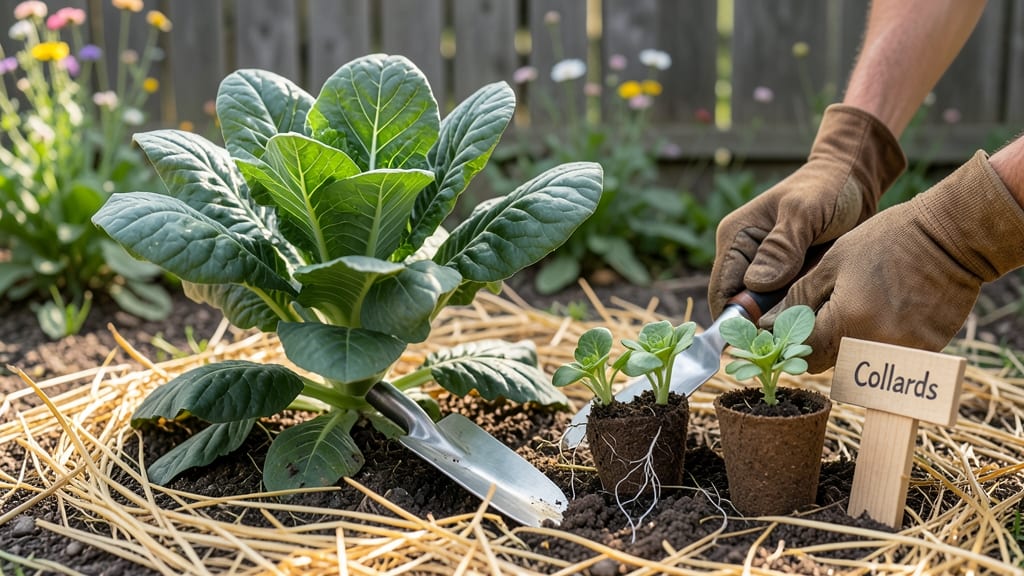
When to plant collards in Georgia means the difference between a thriving harvest and bitter, bolted greens. Timing your 🥬 collards just right in Georgia (GA) means the difference between a thriving harvest and bitter, bolted greens. Plant too early, and a late frost will wreck your tender baby leaves—plant too late, and summer’s heat turns your collards tough and unpalatable.
As someone who’s learned the hard way, I’ll tell you the exact windows that work for Georgia’s 7b-8b zones: early spring (February-March) and late summer (August-September).
These months give your collards the perfect balance of cool roots and warm days they crave without the stress of extreme heat or frost.
What you’ll discover here are the frost-free secrets that keep your collards happy from seed to harvest—plus how to stretch your growing season so you’re eating homegrown greens from April through December. No more guessing, just Georgia-tested advice.
The key? Understanding when soil warms to 50°F in spring and cools enough in fall to avoid bolting. Let’s break down the best planting dates for your region—and how to adjust if Mother Nature throws you a curveball.
Georgia’s best planting windows for collards by region
Georgia’s diverse climate means your collard planting timeline depends heavily on your USDA zone. North Georgia’s cooler Zone 7a has later frost dates than South Georgia’s Zone 8b, so adjust your schedule accordingly.
The key is planting when soil temperatures hit 50°F in spring or 80°F in fall—collards thrive in cooler weather but bolt quickly when summer heat arrives.
For most Georgia gardeners, the sweet spot is late winter through early spring (February–March) and late summer for fall harvests (August–September). This timing ensures you avoid both frost damage and summer bolting. Let’s break down the exact windows by region to maximize your collard yield.
| Region | USDA Zone | Spring Planting Window | Fall Planting Window | Key Notes |
|---|---|---|---|---|
| North Georgia | 7a | Late February–Early April | Mid-August–Late September | Last frost: March 15. Use row covers for early plants. |
| Central Georgia | 8a | Early February–Mid-March | Late July–Early September | Last frost: March 1. Ideal for year-round harvests. |
| South Georgia | 8b | January–February | June–August | Last frost: February 15. Can plant year-round with shade. |
In North Georgia (Zone 7a), aim to plant collards between late February and early April for spring harvests. The risk of frost lingers until March 15, so use row covers or wait until soil warms to 50°F to avoid damage.
For fall, mid-August to late September is ideal—this gives plants time to mature before first frost (November 15).
Central Georgia gardeners in Zone 8a have a longer window: start seeds in early February and transplant by mid-March. For fall, late July to early September works best. The milder climate here means you can often extend harvests into December with proper protection.
If you’re in South Georgia (Zone 8b), you’re in luck—collards can be planted almost year-round! Start in January for early harvests or June–August for fall crops. The lack of harsh winters means you can even grow collards in containers on patios with shade during peak summer heat.
Pro tip: Test your soil temperature with a soil thermometer before planting. Collards prefer 50–75°F soil—if it’s cooler, wait a week or two. Overheated soil (85°F+) will cause bolting, so fall plantings are safer once daytime highs drop below 90°F.
For container gardening, follow the same timing but choose compact varieties like ‘Georgia Southern’ or ‘Top Bunch’. Containers warm up faster, so monitor soil moisture closely—collards in pots dry out quicker than in-ground plants.
Remember, collards are a cool-season crop, meaning they grow best when temperatures are mild. In Georgia’s heat, they’ll bolt (flower prematurely) if stressed, so timing is everything. Use these regional guidelines to align your planting with Georgia’s frost-free window and avoid common pitfalls.
Georgia’s best planting windows for collards by region
Georgia’s climate varies dramatically from north to south, so your collard planting window depends on your USDA zone. North Georgia’s cooler Zone 7a has a shorter frost-free season, while South Georgia’s Zone 8b enjoys longer warm spells.
Timing is critical—plant too early, and frost will blacken your leaves; too late, and summer heat triggers bolting (premature flowering).
For spring planting, aim for late winter when soil temps hit 50°F. In fall, wait until late summer when temps drop below 85°F at night.
These windows maximize your harvest before frost or heat stress sets in. Let’s break it down by region to pinpoint your best dates.
| Region | USDA Zone | Spring Planting Window | Fall Planting Window | Key Consideration |
|---|---|---|---|---|
| North Georgia | 7a | Late February - Early March | Late August - Mid-September | Last frost: March 15; avoid late-spring heat. |
| Central Georgia | 8a | Early March - Mid-April | Mid-August - Late September | Last frost: March 1; first frost: November 15. |
| South Georgia | 8b | Mid-March - Early April | Late August - Early October | Longer growing season; plant late summer for fall harvests. |
In North Georgia (Zone 7a), your window is tight—plant collard seeds indoors by February 1 for transplants ready by March 15, just before the last frost.
For fall crops, start seeds indoors in August and transplant by September 1 to avoid early frosts. Use row covers if temps dip below 25°F.
Central Georgia gardeners have more flexibility. Direct-sow seeds in March or August, but monitor soil temps—collards thrive when soil stays between 50°F and 80°F. If summer heat lingers past September 15, opt for shade cloth to prevent bolting.
South Georgia’s extended season lets you plant as late as early October for a winter harvest.
Pro tip: Use a soil thermometer to confirm temps before planting. Collards won’t germinate well in cold soil (below 40°F) or bolt in soil hotter than 85°F.
In Zone 8b, you can even squeeze in a second spring crop by planting in January under row covers for early greens.
Remember, fall collards often taste sweeter after a light frost. In Georgia, this means planting by September 1 in the north and October 1 in the south. With the right timing, you’ll enjoy fresh greens from April through December!