
Plants
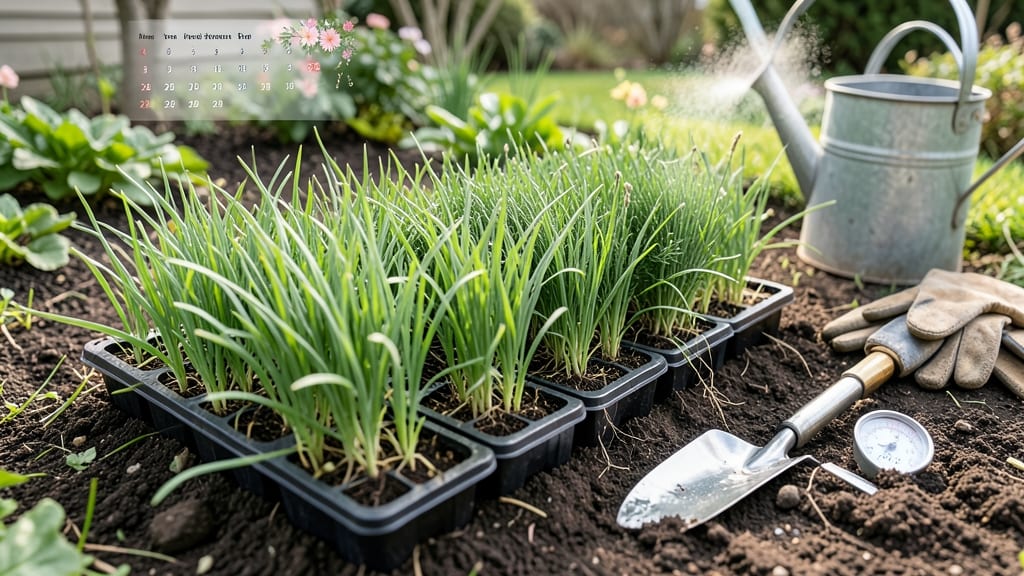
Timing your cool season grass 🌱 planting just right in spring can mean the difference between a lush lawn and months of patchy frustration. Most gardeners wait too late, missing the sweet spot when soil temperatures hit that perfect 50-55°F range for germination—right before the last frost.
In USDA Zone 6, that window typically opens in early to mid-March, but regional variations matter. Planting too early risks cold soil stalling growth, while waiting too long lets weeds take over.
I’ll show you exactly how to read your climate’s signals and avoid these common mistakes that stunt your grass from day one.
Beyond the calendar, soil prep and seed selection play huge roles in success. We’ll cover how to test your soil’s readiness, choose the right grass type for your yard, and set up a care routine that keeps your new lawn thriving.
Let’s get your spring planting strategy locked in before the weather changes.
Whether you’re seeding a new lawn or overseeding an existing one, these insights will help you skip the guesswork. By the end, you’ll know not just when to plant, but how to give your cool season grass the best possible start—so you can enjoy that green carpet all season long.
Best spring planting window for cool season grass by climate Zone
Cool season grasses like Kentucky Bluegrass and Fescue thrive when planted at the right time in spring—typically when soil temperatures hover between 50-65°F. This window ensures strong germination and rapid root establishment before summer heat sets in.
But timing varies dramatically by region, so let’s break it down by USDA climate zones to avoid costly mistakes.
In northern states (Zones 3-5), where winters are harsh, aim to plant 4-6 weeks before your last frost date. For example, if your last frost is April 15, plant in early March.
In milder southern zones (6-8), wait until late March or early April to avoid summer dormancy. The key is soil temperature, not air temperature—use a simple soil thermometer to confirm readiness.
Here’s how to check your soil’s readiness: Insert a thermometer 4 inches deep in moist soil. If it reads 50-55°F, it’s time to plant.
Cooler soils (below 50°F) slow germination, while warmer soils (>65°F) can cause seedling stress. Pro tip: Early spring mornings are ideal for planting—soil warms slightly, but seeds won’t dry out in direct sun.
Regional differences matter. In Zone 4 (e.g., Chicago, Minneapolis), plant in late April to early May to avoid late frosts. In Zone 7 (e.g., Dallas, Atlanta), shift to mid-March to escape summer heat. Always adjust for microclimates—shady areas stay cooler longer, while south-facing slopes warm up faster.
One common mistake? Planting too early in cold, wet soils. Seeds rot if soil temps are below 40°F, even if air temps feel spring-like. Use a soil thermometer ($10 at garden centers) to avoid this trap.
If your soil is too cold, wait 2-3 weeks or use a seed starter blanket to protect seedlings.
For overseeding existing lawns, follow the same rules but add a pre-emergent herbicide 2 weeks before planting to block weeds. This gives your new grass a 3-4 week head start over crabgrass and clover. Always water lightly after overseeding to settle seeds into the soil.
| Climate Zone | Ideal Planting Window | Soil Temp Threshold | Regional Example |
|---|---|---|---|
| Zones 3-5 (Cold Winters) | Late March–Early April | 50–60°F | Chicago, Minneapolis |
| Zones 6-7 (Mild Winters) | Mid-March–Late April | 55–65°F | Dallas, Atlanta |
| Zones 8-10 (Warm Winters) | Late April–May | 60–65°F | Houston, Phoenix |
🌡️ Pro Tip: Use a soil thermometer to confirm readiness—never guess!
If you’re in a transition zone (e.g., Zone 7b), split your planting into two batches: 20% in early March and 80% in late April. This hedges against unpredictable weather. For shade-tolerant varieties like Fine Fescue, plant 2 weeks earlier—cooler, shadier soils warm up slower.
After planting, lightly rake seeds into the soil (¼ inch deep) to ensure contact with moisture. Then, water gently but frequently—keep the top 2 inches of soil damp for the first 2 weeks.
Avoid heavy watering, which can wash seeds away. A sprinkler with fine mist works best for seedlings.
Remember: Cool season grasses grow best in full sun (6+ hours/day), but they’ll tolerate partial shade if planted at the right time. If your lawn has patchy sun exposure, choose Tall Fescue—it’s the most shade-tolerant cool season grass.
For sun-drenched areas, Kentucky Bluegrass is your best bet for a lush, green lawn.
Finally, test your soil’s pH before planting. Cool season grasses prefer a 6.0–7.0 range. If your soil is too acidic (<6.0), add lime 4–6 weeks before planting. For alkaline soils (>7.0), work in sulfur or peat moss. A simple $10 home test kit saves you from guessing—and wasted seed.
Best spring planting window for cool season grass by climate Zone
Cool season grasses like Kentucky Bluegrass and Tall Fescue thrive when planted at the right time—typically 4-6 weeks before your last frost date. But timing varies wildly across regions, from late February in Zone 8 to mid-April in Zone 4.
The golden rule? Wait until soil temperatures hit 50-65°F—cold soil slows germination, while warm soil encourages mold.
Use a simple soil thermometer ($10 at garden centers) to check depth. Stick it 2-3 inches deep in shaded soil—this mimics where seeds will germinate. If your thermometer reads below 50°F, wait another week. Pro tip: Early morning readings are most accurate, as afternoon sun can skew results.
| Climate Zone | Ideal Planting Window | Soil Temp Threshold | Regional Example |
|---|---|---|---|
| Zones 3-5 (Cold) | Mid-April to early May | 50-55°F | Chicago, IL; Minneapolis, MN |
| Zones 6-7 (Temperate) | Late March to April | 55-60°F | Denver, CO; Philadelphia, PA |
| Zones 8-9 (Mild) | February to early March | 60-65°F | Atlanta, GA; San Diego, CA |
| Zone 10+ (Hot) | Late fall (Oct-Nov) | 65-70°F | Miami, FL; Phoenix, AZ |
Northern regions like Zone 4 should aim for late April planting, while Zone 7 gardeners can start as early as mid-March. Check your local USDA Plant Hardiness Zone map for precision—even a 50-mile difference can shift your ideal window by 2-3 weeks.
For example, Seattle (Zone 8) might plant in February, while Spokane (Zone 6) waits until April.
Don’t rely on calendar months alone—frost dates are your true guide. Use the National Weather Service or local Cooperative Extension Service for frost predictions. Planting too early risks seed rot from lingering cold, while delaying too long lets weeds steal nutrients and space.
Aim for 6-8 weeks before summer heat sets in.
If you’re in a transitional zone (e.g., Zone 7b), split your seeding: 50% in early spring and 50% in fall. This double-seeding strategy ensures year-round green coverage. For example, Tall Fescue germinates faster in cooler soil, while Kentucky Bluegrass handles slightly warmer spring temps better.
Pro move: Test your soil’s pH (6.0-7.0 ideal) before planting. Cool season grasses hate acidic soil—a pH below 5.5 stunts growth. Use a lime amendment if needed, and re-test after 4-6 weeks. A soil test kit costs $20 and saves you from patchy lawns later.