
Plants
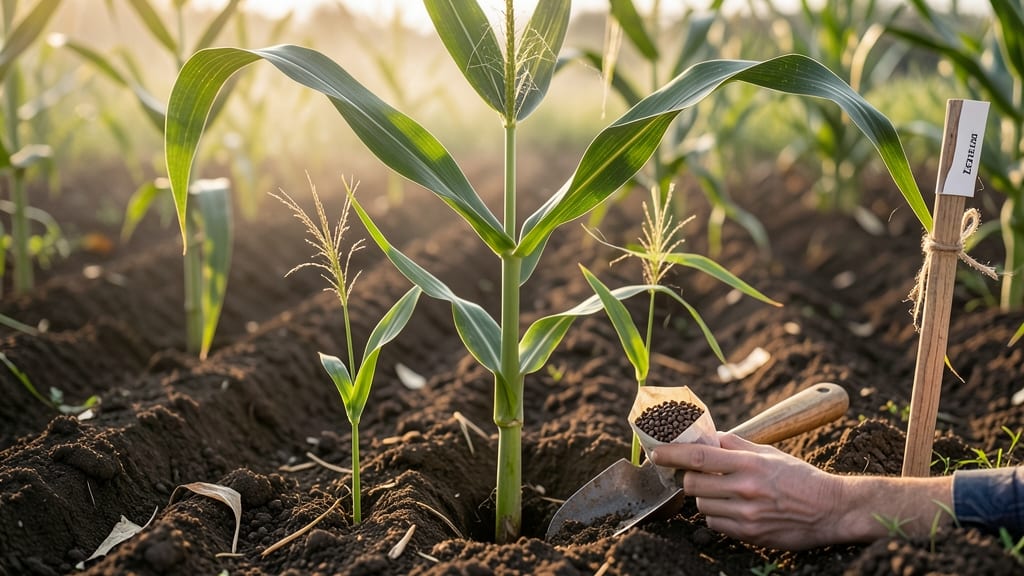
Planting corn in Middle Tennessee at the wrong time can turn your 🌽 dreams into a sad, stunted garden experiment—unless you know the exact window to start.
The difference between a bumper crop and a bust is often just a few weeks, and with our region's unpredictable frost dates, timing is everything.
Most gardeners here wait until after the last frost (usually around April 15), but that's just the start. The real secret? Soil temperature matters more than the calendar.
Corn needs the ground to stay warm and consistent—60°F or above—to germinate properly. Plant too early, and you risk slow growth or even rot in cooler soil.
In this guide, I’ll break down the best planting timeline for Middle Tennessee’s 7a zone, including how to adjust for early vs. late planting and which corn varieties thrive here.
Whether you're a first-time gardener or a seasoned pro, these tips will help you maximize your harvest from July through September.
Ready to grow corn that stands taller than your fence? Let’s get into the details—so you can go from seed to ear without a single hiccup.
Middle Tennessee corn planting timeline: frost-free dates & soil temperature guide
Timing your corn planting in Middle Tennessee is all about balancing soil warmth and frost risk. Corn seeds need soil temperatures of at least 50°F to germinate, but they thrive best when the ground reaches 60°F.
Planting too early in cold soil can lead to slow, uneven germination, while waiting too long may shorten your growing season.
Middle Tennessee’s last frost dates vary by region—Nashville typically sees its final frost around March 15, while higher elevations like the Cumberland Plateau may experience frost as late as April 1.
To avoid frost damage, wait at least 2 weeks after the last frost before planting. This gives young seedlings time to establish roots before cooler nights arrive.
Here’s a quick breakdown of the optimal planting window for most of Middle Tennessee: mid-April to mid-May. This aligns with soil warming trends and reduces the risk of late spring frost.
For example, in Nashville, soil temperatures consistently hit 60°F by early April, while Chattanooga may need to wait until late April due to its slightly cooler microclimate.
For 2024 planting, I recommend monitoring local weather forecasts and using frost-free date calculators like those from the Old Farmer’s Almanac. If you’re in a river valley like the Cumberland River basin, you may experience warmer microclimates and can plant 1–2 weeks earlier than the average.
Conversely, high-elevation areas like the Cumberland Mountains should delay planting until soil temperatures are consistently warm.
If you’re unsure about your local frost dates, consider planting early-maturing varieties like ‘Silver Queen’ (75 days) or ‘Peaches and Cream’ (80 days). These varieties can handle slightly cooler soils and still produce a reliable harvest even if planted in early April.
For longer seasons, ‘Ambrosia’ (90 days) or ‘Country Gentleman’ (100 days) are excellent choices for a late-summer harvest.
Another key factor is day length. Corn grows best with 14+ hours of daylight, which typically begins in late May. Planting too early (before late April) can result in tall, spindly stalks with poor ear development due to shorter days.
To mitigate this, choose succession planting—sow seeds every 2 weeks until early June—to ensure a continuous harvest throughout the summer.
Don’t forget to test your soil before planting! Corn thrives in well-draining soil with a pH of 6.0–7.0. If your soil is too acidic, amend it with lime in the fall or early spring.
For nutrient-rich soil, mix in compost or aged manure a few weeks before planting to give your corn the phosphorus and potassium it needs for strong root and ear development.
Finally, keep an eye on weather forecasts in the days leading up to planting. If a cold snap is predicted, consider using row covers or planting in raised beds to protect young seedlings.
With the right timing and care, your Middle Tennessee corn crop can reach heights of 8–12 feet and produce ears as large as your hand!
How to adjust corn planting time for Middle Tennessee’s microclimates
Middle Tennessee’s diverse geography—from Nashville’s urban heat islands to the cooler Cumberland Plateau—means your corn planting timeline may need adjustments. Microclimates can shift your ideal planting window by 2-4 weeks, so understanding your specific area is key.
For example, Chattanooga’s river valleys often warm up faster than high-altitude areas near Crossville, where frost lingers longer.
If you’re in a city garden, pavement and buildings can create warmer microclimates, allowing you to plant corn 1-2 weeks earlier than rural areas. Conversely, shaded or elevated spots may require delaying planting until mid-May to avoid frost damage.
Always check your local USDA Zone 7a variations—some spots behave like Zone 6b!
- 🏙️ Urban Areas (Nashville, Murfreesboro): Plant April 1-15—heat islands warm soil faster. Use black plastic mulch to speed germination.
- 🌄 High Elevations (Cumberland Plateau): Wait until May 1-15—cooler temps delay soil warming. Choose cold-hardy varieties like 'Early Sunglow'.
- 🌊 River Valleys (Chattanooga, Clarksville): Plant March 30-April 10—warmer microclimates allow earlier starts. Monitor soil temps closely.
- 🌳 Shaded or Wooded Areas: Delay until May 15—limited sun slows growth. Opt for shorter varieties like 'Golden Bantam'.
- 🏡 Backyard Gardens with Frost Pockets: Use row covers to plant 2 weeks early (late March). Remove covers after last frost.
For high-altitude gardens, consider raised beds—they warm up 2-3°F faster than in-ground soil. Fill them with compost-rich mix to improve heat retention. If you’re in a frost-prone zone, try succession planting: sow half your seeds in April and the rest in early May to stagger harvests.
Always test your soil temperature with a soil thermometer—corn needs 50°F+ for germination, but 60°F+ ensures faster growth. In dry years, prioritize watering consistency over pushing early planting. A 1-inch water deficit can stall germination entirely.
Pro tip: Plant near windbreaks (like fences or hedges) to protect young seedlings from late-spring winds, which can desiccate tender leaves. If your area has unpredictable frost, keep a frost cloth handy for emergency coverage.
🌱