
Plants
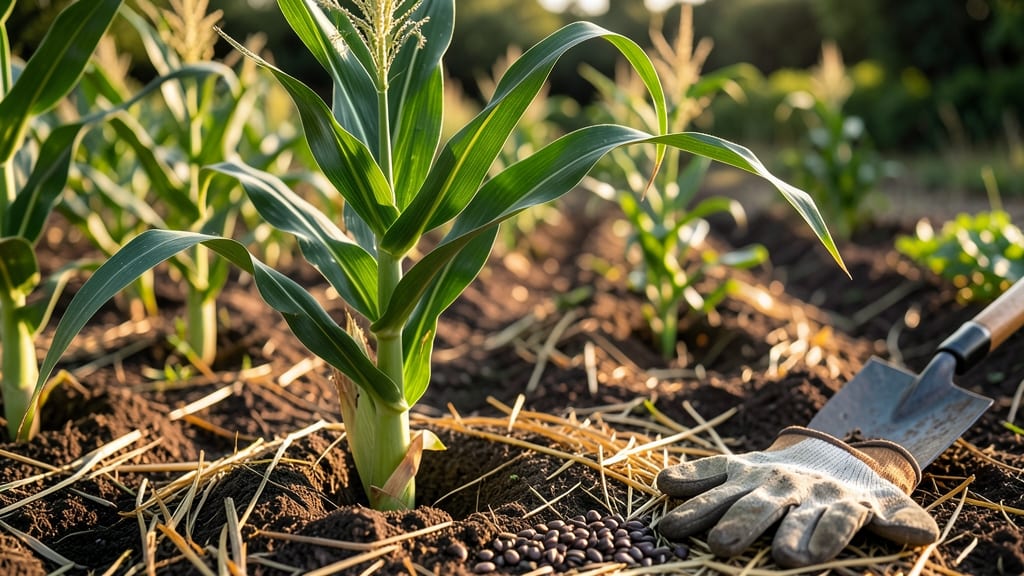
Planting corn in New Hampshire isn’t just about dropping seeds into the dirt—it’s about timing it right to beat frost and maximize your harvest.
The last frost dates across the state can vary by weeks, and getting it wrong means watching your 🌽 seedlings turn to mush or missing out on sweet summer ears.
I’ve learned the hard way that rushing too early or waiting too late can turn a promising garden into a gamble. Whether you’re growing sweet corn for dinner or field corn for livestock, the key is knowing when the soil warms up and the risk of frost drops.
Let me break down the exact windows you need to plant for a successful harvest, no matter where in New Hampshire you’re gardening.
From the southern valleys to the northern highlands, each region has its own rhythm. Some areas can start planting as early as late April, while others should wait until mid-May to avoid frost.
I’ll show you how to match your corn variety to your local climate for the best results.
Ready to grow corn that thrives? Stick around—I’ll cover everything from soil prep to variety selection, so you can enjoy fresh ears straight from your garden all summer long.
New Hampshire last-frost dates by region: best corn planting windows
New Hampshire’s corn planting success hinges on understanding your local frost dates. The state’s climate varies dramatically—southern valleys like Concord average 120 frost-free days, while northern highlands near Mount Washington see just 90-100 days.
These differences mean your planting window could shift by 3-4 weeks depending on location.
For sweet corn, aim to plant when soil temperatures reach 50°F (10°C)—typically late April to mid-May in southern NH and early to mid-May in northern regions. Field corn and popcorn varieties need slightly warmer soil (55°F/13°C) and can wait until mid-May in most zones.
Historical data from the NH Agricultural Experiment Station shows that late spring frosts (after April 30) occur 30% of years in northern NH, while southern areas face 10% risk. This variability means flexible planning is key—use row covers or wait for consistent warm nights before planting.
🌱
| Region | Avg. Last Frost | Planting Window | Soil Temp. Goal | Risk Notes |
|---|---|---|---|---|
| Southern NH (Concord, Nashua) | April 25-May 5 | Late April-Mid May | 50°F (10°C) | 10% late frost risk |
| Central NH (Manchester, Laconia) | May 1-10 | Mid-May | 50°F (10°C) | 20% late frost risk |
| Northern NH (White Mountains) | May 15-25 | Late May | 55°F (13°C) | 30% late frost risk |
To refine your timing, check the NH State Climate Office for your specific county’s frost history. For example, Portsmouth gardeners can safely plant by April 20, while those in Berlin should wait until May 15.
Use biodegradable row covers to extend your window by 2-3 weeks if needed.
For field corn (used for grain or silage), delay planting until mid-May—these varieties need 100+ frost-free days to mature. Popcorn falls in between, with 85-95 days to harvest, making early May ideal in most regions.
Always monitor nighttime temperatures—corn seedlings can’t tolerate drops below 50°F (10°C). If frost threatens after planting, cover rows with lightweight fabric or use plastic mulch to warm the soil faster next season.
🌾
Pro tip: Plant a test row of fast-maturing varieties (like ‘Early Sunglow’) 2 weeks before your target date. If they thrive, you’ve found your safe planting window for other varieties.
Remember, soil temperature matters more than air temperature. Use a soil thermometer to confirm 50°F (10°C) at 4-inch depth before planting—this prevents slow germination and seed rot.
Corn variety planting guide: days to maturity and NH-specific recommendations
Choosing the right corn variety for New Hampshire’s short growing season is key to a successful harvest. Fast-maturing varieties like ‘Early Sunglow’ (60 days) are ideal for northern regions, while mid-season picks like ‘Bodacious’ (85 days) work well in southern valleys.
Always check the days to maturity label to align with your local frost-free window.
Soil temperature is another critical factor—corn seeds won’t sprout until the soil reaches at least 50°F (10°C). Use a soil thermometer to monitor warmth, especially in cooler highland areas like the White Mountains, where planting may need to wait until late May or early June.
For sweet corn, aim for varieties with 75-90 days to maturity, such as ‘Silver Queen’ or ‘Peaches and Cream’.
These thrive in NH’s climate and offer reliable yields. Field corn and popcorn varieties, like ‘Pioneer 33B38’, typically need 90-110 days, making them better suited for southern NH’s longer seasons.
| Variety | Days to Maturity | Best NH Region | Planting Window |
|---|---|---|---|
| Early Sunglow | 60-65 days | Northern NH | Late May |
| Bodacious | 85 days | Southern NH | Mid-May |
| Silver Queen | 75 days | All regions | Late April-May |
| Pioneer 33B38 | 100 days | Southern NH | Early May |
If you’re transplanting seedlings, do so when they’re 6-8 inches tall and the soil is consistently warm. Harden off seedlings by placing them outdoors for 3-5 days before transplanting to avoid shock.
For direct sowing, plant seeds 1 inch deep and 4-6 inches apart in rows spaced 2-3 feet apart to allow for proper air circulation.
Always monitor soil moisture during germination, as dry conditions can delay sprouting. Mulch with straw or grass clippings to retain moisture and regulate soil temperature, especially in NH’s variable spring weather. This simple step can make the difference between a thriving crop and stunted growth.
For gardeners in Zone 4 or colder, consider starting seeds indoors 4-6 weeks before the last frost date. Use biodegradable pots to avoid disturbing roots during transplanting. This head start can shave critical days off the growing season, ensuring your corn matures before frost.