
Plants
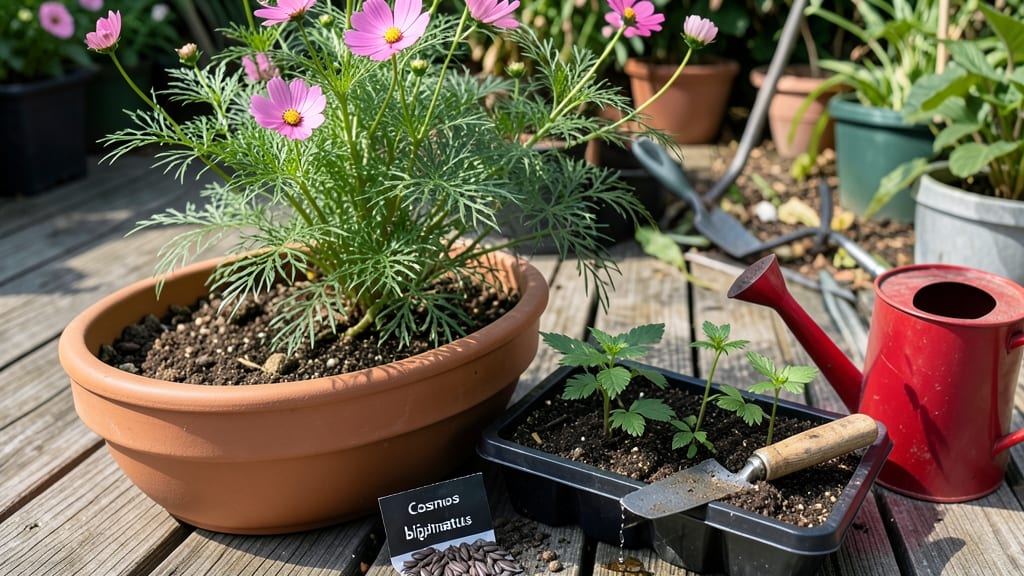
Planting cosmos seeds at the wrong time in Zone 7 could mean waiting months for those fast, cheerful blooms you crave. The secret to nonstop summer color lies in timing—just a few weeks too early or late can delay your 🌼 cosmos show by weeks.
If you've ever watched your neighbors' gardens burst into vibrant pinks and whites while yours stays bare, you're not alone. Zone 7 gardeners know the frustration of planting too soon and risking frost damage or too late and missing the peak bloom season.
But with the right schedule, you can enjoy continuous flowers from June through October with minimal effort.
I've tested the exact planting windows that work in my Zone 7 garden, and what I'm about to share will help you avoid common mistakes that delay blooms.
Whether you're a first-time gardener or a seasoned pro, these timing tips will give you the fastest results and the most stunning display of cosmos flowers all season long.
Let's dive into the precise months and weeks that guarantee your cosmos seeds will thrive, along with pro tips to extend your blooming season even longer. Your summer garden will thank you!
Optimal planting months for cosmos seeds in Zone 7
Cosmos seeds thrive in Zone 7 when planted at the right time—typically after your last frost date. For most of this zone, that means mid-April to early May for spring blooms.
But timing isn't just about the calendar; it's also about soil temperature and frost risk. Let's break down the exact windows and what to watch for.
In Zone 7, your last frost usually occurs around April 15, but this can vary by 1-2 weeks depending on your microclimate. Cosmos seeds germinate best when soil reaches 60°F (15°C), which typically happens by late April in most areas.
Planting too early risks frost damage to tender seedlings, while waiting too long may delay blooms until late summer.
Here’s the key: Direct sow cosmos seeds 2-3 weeks after your last frost when soil is consistently warm. For Zone 7, this usually translates to early May in most locations.
If you're eager for earlier blooms, you can start seeds indoors 6-8 weeks before transplanting, but cosmos grow so quickly that this is rarely necessary.
| Planting Method | Best Time in Zone 7 | Soil Temp Requirement | Days to Bloom |
|---|---|---|---|
| Direct Sowing | Early May (after last frost) | 60°F+ (15°C+) | 60-90 days |
| Indoor Start | Late March (transplant in May) | 65°F+ (18°C+) for germination | 55-85 days (earlier blooms) |
| Fall Sowing | Late August-September | 55°F+ (13°C+) | 45-70 days (late summer blooms) |
Don't overlook fall planting for cosmos! In Zone 7, you can sow seeds in late August to early September to enjoy blooms well into fall. These late-season plants often perform better than spring-sown ones in hot summers because they establish roots before heat stress sets in.
Just ensure seeds are in the ground 8-10 weeks before your first frost (typically by mid-September).
For continuous blooms all summer, consider a staggered planting approach. Sow a fresh batch of seeds every 2-3 weeks from May through July. This ensures you'll always have fresh flowers while older ones fade.
The key is to keep soil moist but not soggy during germination—cosmos seeds need consistent moisture to sprout reliably.
One common mistake in Zone 7 is planting cosmos too early in cold soil. If you sow seeds in March or early April, they may rot before germinating. Always check soil temperature with a soil thermometer—wait until it's consistently above 60°F (15°C) for at least a week.
This simple step can mean the difference between lush blooms by June and frustrating delays.
Pro tip: If you're using container gardening, cosmos thrive in pots and can be planted 2-3 weeks earlier than in-ground plants. Containers warm up faster in spring, giving you a head start on the season.
Just ensure your pots have drainage holes to prevent root rot—a common issue with cosmos in heavy soils.
Remember, cosmos are drought-tolerant once established, but young seedlings need consistent watering to prevent bolting (premature flowering). Mulch around plants with straw or shredded leaves to retain moisture and regulate soil temperature.
This simple step can double your bloom time by keeping roots cool and hydrated during Zone 7's often scorching summers.
Finally, mark your calendar for September 1st—this is your last chance to sow cosmos for fall blooms in most of Zone 7. By this date, plants should be tall enough to handle cooler nights without flowering too early.
With the right timing, you'll enjoy cosmos blooms from June through October, making them one of the most reliable annuals for your garden.
Optimal planting months for cosmos seeds in Zone 7
In Zone 7, timing is everything when planting cosmos seeds—get it right, and you'll enjoy nonstop summer blooms by June. The sweet spot for direct sowing is mid-April to early May, once soil temperatures hit 60°F+ and all frost risk has passed.
This aligns perfectly with Zone 7's average last frost date of April 15, but always verify your local microclimate.
For fall blooms, aim for late August to early September—this gives cosmos seeds time to germinate before cooler temps slow growth. Fall-planted cosmos often surprise gardeners with late-season color when many other flowers fade.
Just avoid planting after September 15, or seedlings may struggle to mature before winter.
| Planting Window | Soil Temp | Frost Risk | Bloom Time |
|---|---|---|---|
| Mid-April to Early May | 60°F+ | None | June–October |
| Late August–Early September | 55°F+ | Low | September–Frost |
Pro tip: Use a soil thermometer to confirm readiness—cosmos seeds need warmth to germinate. If your soil is still chilly in April, opt for container growing near a sunny wall to jumpstart growth.
This works especially well for dwarf varieties like 'Sensation Mix,' which thrive in pots and bloom faster in controlled heat.
Zone 7 gardeners often make the mistake of planting cosmos too early, only to watch seedlings rot in unpredictable late frosts. To avoid this, wait until nighttime temperatures stay above 50°F consistently.
For extra protection, use row covers if a cold snap sneaks up—cosmos are tough but not frost-proof.
For extended blooms, pair your main planting with a succession sowing every 2–3 weeks through June. This staggered approach ensures fresh flowers from June through October, even in Zone 7's shorter growing season.
Just remember: cosmos seeds need light to germinate, so don't bury them deeper than ¼ inch.
Once planted, cosmos are low-maintenance champions—they self-seed prolifically and return year after year in warmer climates. But in Zone 7, treat them as annuals for guaranteed blooms, and save seeds from your healthiest plants for next season.
With the right timing, you'll have cut flowers all summer long—perfect for bouquets or attracting pollinators! 🌼