
Plants
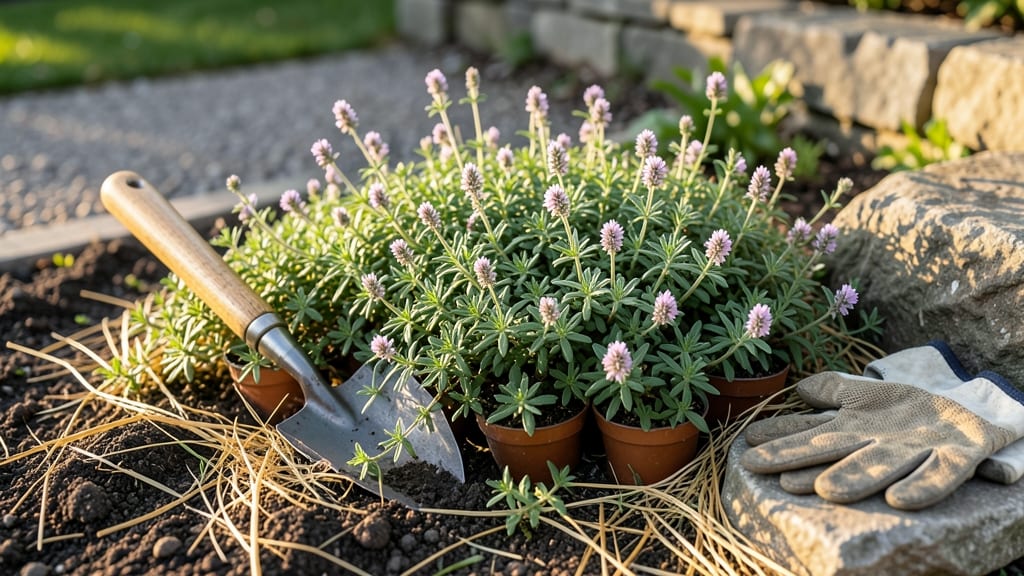
Planting creeping thyme at the wrong time in Colorado can mean the difference between a lush, fragrant ground cover and a struggling plant that never takes off.
The key to success lies in waiting for that perfect window when soil warmth triggers fast root growth—typically after the last frost when temperatures hit 50°F or higher.
With Colorado’s USDA Zones 5-7 and varied elevations, timing matters more than you might think. Whether you're in Denver’s urban heat islands or the cooler Western Slope, knowing the exact cues—like soil temperature and moisture levels—can help you avoid common pitfalls that stifle growth.
I’ll walk you through the science-backed triggers and regional adjustments to ensure your creeping thyme thrives from day one.
This hardy 🌿 herb isn’t just drought-resistant—it’s also a game-changer for gardens, offering year-round ornamental value and culinary uses. But planting too early or too late can leave your plants vulnerable to frost damage or slow establishment.
Let’s break down the best strategies for early spring and fall planting, so you can enjoy vibrant blooms and lush foliage all season long.
From soil prep to companion planting, I’ll share the exact steps to set your creeping thyme up for success—no guesswork involved.
Whether you’re a seasoned gardener or just starting out, these tips will help you make the most of Colorado’s growing season and create a low-maintenance, beautiful ground cover that lasts for years.
Optimal planting times for creeping thyme in Colorado’s climate Zones
Colorado’s diverse climate zones and elevation shifts create unique planting windows for creeping thyme. Whether you’re in the Front Range or Western Slope, timing matters to avoid frost damage or stunted growth. Let’s break down the best months and regional adjustments.
The USDA hardiness zones in Colorado range from Zone 4 (high mountains) to Zone 7 (southern valleys), but creeping thyme thrives in Zones 5-7. This means your planting window shifts based on elevation—higher altitudes have shorter growing seasons, while lower elevations enjoy longer springs and falls.
For most of Colorado, the ideal planting window spans from early April to early October. However, Denver and Colorado Springs (Zone 5-6) can start as early as late March if soil temperatures hit 50°F+. Meanwhile, Grand Junction (Zone 7) can extend planting into late October.
Spring planting is ideal because it gives roots time to establish before summer’s dry heat. But fall planting (late August to September) works too—just ensure thyme has 4-6 weeks to root before the first frost.
In high-elevation areas, like Boulder or Aspen, wait until after May 1 to avoid late frosts.
Here’s how to align your planting with Colorado’s microclimates:
| Region | Zone | Best Planting Window | Key Consideration |
|---|---|---|---|
| Front Range (Denver, Boulder) | 5-6 | Late March–Early October | Urban heat islands warm soil faster; watch for late frosts in April. |
| Colorado Springs | 6 | Early April–Mid October | Drier climate; mulch heavily to retain moisture. |
| Western Slope (Grand Junction) | 7 | Late March–Late October | Longer growing season; plant fall thyme by September 15. |
| High Elevation (Aspen, Vail) | 4-5 | May 1–September 15 | Short season; use cold frames for earlier starts. |
If you’re planting in containers, extend your window by 2-4 weeks—pots warm up faster and can be moved to sheltered spots. Just ensure containers have drainage holes to prevent root rot in Colorado’s clay-heavy soils.
For ground cover projects, prioritize spring planting in Zone 5-6 areas. This gives thyme time to spread before summer’s drought stress. In Zone 7, fall planting can yield vibrant blooms the following spring with minimal care.
Pro tip: Use a soil thermometer to confirm 50°F+ soil temps before planting. In Denver’s urban areas, sidewalks and driveways can create microclimates 5-10°F warmer than surrounding soil—perfect for early thyme starts.
Remember, creeping thyme is drought-tolerant but benefits from consistent moisture during its first 4-6 weeks. Mulching with straw or pine needles helps retain moisture and regulates soil temperature—critical in Colorado’s temperature swings.
🌿
Soil temperature and moisture triggers for fast root establishment
Creeping thyme thrives when planted in soil temperatures above 50°F (10°C), which signals roots to establish quickly. Colorado’s dry climate means moisture retention becomes critical—aim for well-draining, slightly sandy soil to prevent root rot while keeping moisture consistent during the first 4-6 weeks after planting.
In Colorado’s USDA Zones 5-7, soil warms gradually in spring, especially at higher elevations. Use a soil thermometer to confirm readiness—planting too early in cold soil can stunt growth.
For Denver’s Front Range, target mid-April, while Western Slope regions like Grand Junction can plant as early as late March.
| Condition | Specification | Colorado Adaptation |
|---|---|---|
| Soil Temperature | 50°F+ (10°C+) | Use a thermometer; wait for consistent warmth |
| Moisture Level | Moderate (not soggy) | Mulch with 1-2 inches of gravel to retain moisture |
| Soil pH | 6.0-7.0 (slightly acidic to neutral) | Amend with compost or lime if needed |
| Drainage | Fast-draining | Avoid low spots; plant on slopes if needed |
Before planting, prepare the soil by mixing in 1-2 inches of compost to improve moisture retention without compacting the soil. Colorado’s alkaline soils often need organic matter to balance pH—test your soil with a home kit for accuracy.
Avoid heavy clay soils, which can suffocate roots and lead to transplant shock.
Water deeply after planting to encourage root penetration, then reduce frequency to once weekly once established. Overwatering in Colorado’s dry climate is a common mistake—creeping thyme is drought-tolerant once roots are established, typically after 6-8 weeks.
For mountain regions like Boulder or Aspen, extend mulch coverage to 3 inches to insulate roots from temperature fluctuations. In Denver’s urban heat islands, monitor soil moisture closely—concrete and pavement can dry out soil faster, requiring light daily watering during the first month.
Timing your watering to early morning minimizes evaporation and fungal risks. Pair this with morning sunlight exposure to dry foliage quickly, reducing disease pressure—a critical factor in Colorado’s variable humidity levels.