
Plants
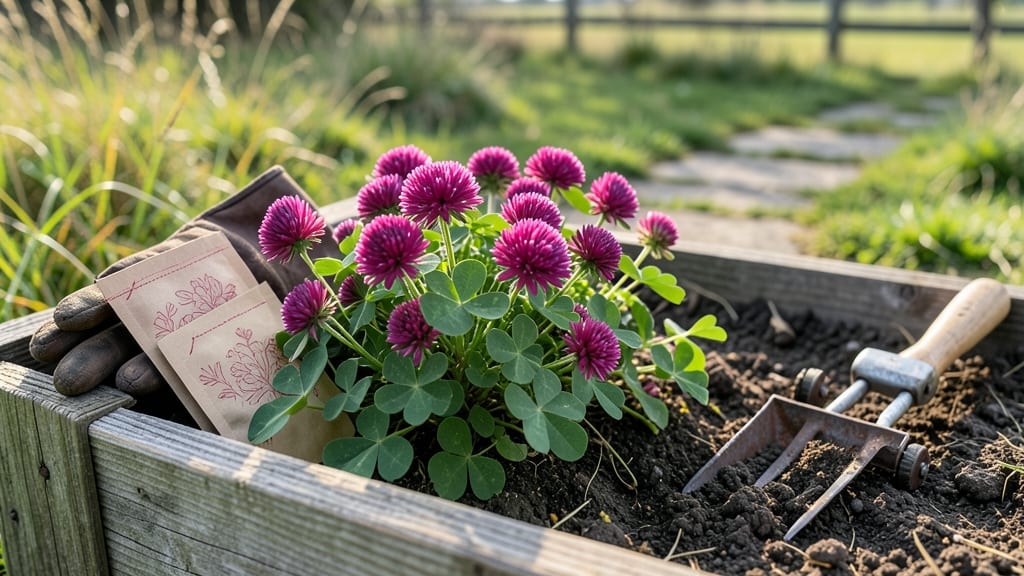
Planting Crimson Clover 🌸 in Texas isn’t just about throwing seeds in the ground—it’s about timing them perfectly to survive winter and explode into spring blooms. Get it wrong, and you’ll either bake your seeds in summer heat or lose them to early frost.
But nail the August-October window, and you’ll unlock a hardy cover crop that feeds your soil, controls erosion, and attracts pollinators—all while thriving in Texas’ varied climates.
Here’s the secret: Crimson Clover needs cool soil to germinate, which is why fall planting is your best bet. Whether you’re in North Texas (where frosts hit by December) or South Texas (with milder winters), the key is avoiding summer’s scorching heat.
I’ll show you exactly how to read your local frost dates and adjust your planting schedule—no guesswork, just results.
Beyond timing, Texas gardeners face unique challenges like caliche soil and unpredictable rainfall. We’ll cover how to prep your soil, pick the right variety (like 'Dixie' for drought resistance), and protect your clover through winter. Skip these steps, and you might end up with patchy growth or wasted seeds.
Ready to grow a lush, nitrogen-rich cover crop that works as hard as you do? Let’s break down the exact months, soil tests, and care tips to make your Crimson Clover thrive—no matter where you are in the Lone Star State.
Optimal planting windows for crimson clover in Texas by region
Texas’ diverse climate means crimson clover thrives in different regions with specific planting windows. North Texas (Dallas/Fort Worth) has earlier frosts than South Texas (Houston/Corpus Christi), so timing varies. Fall planting is ideal—aim for August through October—but spring options exist too.
Let’s break it down by your USDA hardiness zone and frost dates.
In North Texas (Zones 7b-8a), first frosts hit November 15–December 15, so plant crimson clover by mid-October for winter survival. Central Texas (Zones 8a-8b) has later frosts (December 1–January 15), giving you a wider window until November. South Texas (Zones 8b-10a) rarely sees frost, so you can plant year-round—though fall remains best for nitrogen benefits.
Why fall? Crimson clover establishes roots before winter, outcompetes weeds, and boosts soil nitrogen before spring. Spring planting (February–March) works too but risks summer drought stress. Avoid planting in peak summer heat (June–July)—seeds struggle to germinate when soil temps exceed 90°F.
🌸
| Region | USDA Zone | First Frost | Ideal Planting Window | Notes |
|---|---|---|---|---|
| North Texas | 7b–8a | Nov 15–Dec 15 | Aug 15–Oct 15 | Plant by Oct 1 for winter survival |
| Central Texas | 8a–8b | Dec 1–Jan 15 | Aug 1–Nov 15 | Later frost allows extended window |
| South Texas | 8b–10a | Rare/None | Year-round (best: Aug–Oct) | No frost risk; prioritize rainfall |
For drought-prone areas, adjust planting to early fall (August) to maximize root growth before dry spells. Soil moisture is critical—aim for 1–2 inches of rain weekly or irrigate deeply after sowing. Variety matters too: ‘Dixie’ clover handles heat better than ‘Osceola’, making it ideal for North and Central Texas.
If you miss fall, spring planting (February–March) is your backup. Seedlings grow fast in Texas’ warm soil, but competition from summer weeds can choke them out. Mulch lightly (straw or wood chips) to retain moisture and suppress weeds during establishment.
Pro tip: Test your soil pH before planting—crimson clover prefers 6.0–7.0. Lime may be needed in acidic Texas soils (common in East Texas). Adjust seed depth too: ¼ inch deep for sandy soils, ½ inch for clay.
✂️
Once planted, monitor for germination in 7–14 days. Thin seedlings to 6–8 inches apart to reduce competition. Blooms appear in 90–120 days, signaling successful establishment. In South Texas, you might see two blooms per year—fall and spring—while North Texas gets one spring burst.
Timing isn’t just about months—it’s about microclimates. Low-lying areas frost earlier; elevated spots stay warmer. Use these regional guidelines as your starting point, then tweak based on your yard’s unique conditions.
Pre-planting checks: soil, weather, and seed prep for Texas success
Before you even think about planting crimson clover in Texas, your soil and weather prep can make or break your success. Texas’ caliche soil and unpredictable rainfall demand extra attention—skip these steps, and you’ll struggle with poor germination or stunted growth.
Start by testing your soil pH, which should ideally fall between 6.0 and 7.0 for optimal clover performance.
Use a soil test kit (available at local garden centers) to check your pH and nutrient levels. If your soil is too alkaline—common in Texas—amend it with sulfur or peat moss to lower the pH gradually.
Crimson clover thrives in well-draining soil, so avoid heavy clay areas unless you’ve amended them with compost or sand. Poor drainage leads to root rot, especially during Texas’ sporadic downpours.
Crimson clover seeds won’t germinate in soil above 85°F. If you plant too early (like June), the seeds will bake in the heat and fail to sprout. Wait until soil temps drop below 80°F—usually by mid-August in North Texas or early September in South Texas.
Next, choose the right seed variety for your Texas region. 'Dixie' crimson clover is a top pick for its drought tolerance, while 'Osceola' handles cooler winters better. Buy certified seeds from reputable suppliers to avoid weedy contaminants or low germination rates.
Aim for a seeding rate of 10-15 lbs per acre, adjusting for broadcast vs. drill planting methods.
Timing your planting with local rainfall patterns is crucial. Texas experiences flash droughts, so schedule your planting after a 1-inch rainfall or irrigate immediately post-planting. Use a light mulch (straw or wood chips) to retain moisture and protect seeds from bird predation.
In drought-prone areas, consider overseeding with ryegrass for temporary ground cover while clover establishes.
Finally, check the 7-day weather forecast before planting. Avoid scheduling seeds to go in during predicted storms or extreme heat waves. Crimson clover needs consistent soil moisture for the first 3-4 weeks to establish roots.
If your area is forecasted for dry conditions, prioritize irrigation or delay planting until conditions improve.
With these pre-planting checks complete, your crimson clover will have the best shot at thriving through Texas’ winters and blooming spectacularly in spring. The extra effort now pays off with lush, nitrogen-rich foliage that feeds your garden’s soil naturally—no guesswork, just results.