
Plants
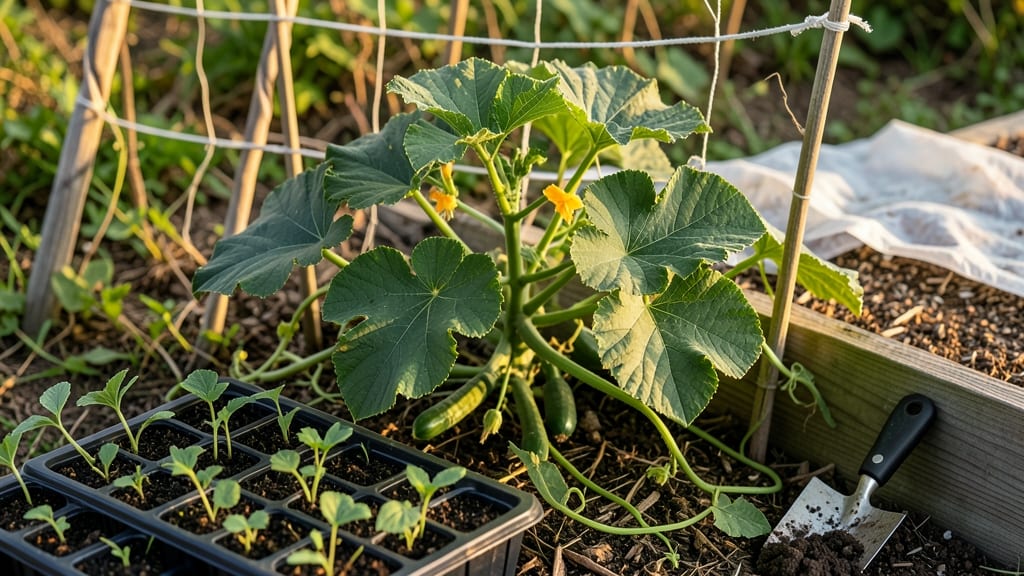
Planting cucumbers in Pennsylvania at the wrong time can turn your dream harvest into a sad, frost-nipped memory—especially when those 50-day varieties need every warm day to mature.
The key isn’t just waiting for spring; it’s knowing your USDA zone (5b-7a) and when the soil finally warms to 60°F or higher.
Most gardeners in Pennsylvania rush to plant their 🥒 seeds too early, only to watch them wilt when overnight temperatures dip below 50°F.
The ideal window—April 15 to June 1—gives your plants a fighting chance, but urban areas like Philadelphia may need to wait until late May, while rural spots in Zone 7 can start sooner.
Whether you’re starting seeds indoors or sowing directly, timing matters just as much as soil prep. I’ll show you how to align your planting with Pennsylvania’s frost dates, choose the right varieties for your region, and avoid the 3 biggest mistakes that kill cucumber crops before they even begin.
Ready to turn your garden into a high-yielding cucumber patch? Let’s break down the exact dates, soil tricks, and variety picks that’ll have you harvesting crisp, vine-ripened cucumbers from June through September—no guesswork required.
Pennsylvania cucumber planting deadlines by hardiness Zone (5-7)
Pennsylvania’s diverse climate zones (5b-7a) mean your cucumber planting window can shift by weeks depending on location. In Zone 5b (northwest PA), last frost typically hits May 1-15, while Zone 7a (southeast PA) sees frost-free conditions by April 1-15.
Always wait until soil temperatures reach 60°F+—cucumbers won’t germinate in cold soil.
For direct sowing, aim for April 15-May 15 in Zone 7a and May 15-June 1 in Zone 5b. If starting indoor seedlings, transplant 2-3 weeks after your last frost date. Urban areas like Philadelphia often warm faster than rural Pittsburgh, so adjust accordingly.
Use black plastic mulch to warm soil 5-10°F faster, extending your planting window by 1-2 weeks. This is especially helpful in Zone 5b, where short seasons demand every advantage. Check local Almanac frost maps for your exact microclimate—valleys and low-lying areas frost later.
🌱
In Zone 5b, prioritize early-maturing varieties (e.g., 'Bush Champion', 'Straight Eight') to harvest before first frost (typically October 15). Zones 6a-7a can support longer-season varieties like 'Marketmore' or 'Lemon Cucumber', which thrive in heat and produce until September.
Pro tip: Use a soil thermometer to confirm 60°F+ soil temps. Cold soil delays germination by days or weeks, wasting your planting window. If temps fluctuate, opt for container growing—pots warm faster and give you control over soil conditions.
For urban gardeners, microclimates matter. A south-facing wall can add 10°F warmth to your planting area, letting you start 2 weeks earlier. Conversely, shady spots may require row covers to protect young plants from late frosts.
🌡️
Missed the primary planting window? Don’t panic! Succession planting works in Zones 6a-7a. Sow every 2 weeks from May-July for staggered harvests. Just ensure each batch gets 60°F+ soil—no exceptions. Black plastic mulch or straw mulch can help maintain warmth for late plantings.
Finally, track your local frost dates for 3 years to identify patterns. Pennsylvania’s unpredictable spring can bring frost as late as May 20 in some areas. When in doubt, wait one more week—your cucumber plants will thank you with healthier vines and more fruit.
Best cucumber varieties for Pennsylvania’s climate & planting windows
Pennsylvania’s diverse climate zones (5b-7a) mean not all cucumber varieties thrive equally. Short-season areas like Pittsburgh (Zone 6) need fast-maturing varieties, while longer growing zones like Philadelphia (Zone 7) can handle heat-tolerant types.
Choosing the right variety ensures maximum yield and disease resistance—critical for PA’s humid summers.
For early planting (April-May), opt for bush varieties like 'Bush Champion' or 'Spacemaster,' which mature in 50-55 days and require less space. These are ideal for container gardening or small urban plots.
My go-to recommendation for beginners is 'Straight Eight,' a classic slicing cucumber that thrives in Zone 6-7 and produces crisp, uniform fruits in 60 days.
If you’re in Zone 7 (e.g., Lancaster or Erie), extend your harvest with heat-loving varieties like 'Lemon Cucumber' or 'Armenian Cucumber.' These drought-tolerant types handle PA’s July-August heat waves better than traditional slicers.
For succession planting, try 'Marketmore 76,' a dual-purpose variety that produces both slicing and pickling cucumbers in 55-60 days.
🌱
| Variety | Days to Maturity | Best Planting Window | Pennsylvania Zone Fit | Notes |
|---|---|---|---|---|
| Straight Eight | 60 | April 20 - May 15 | 5b-7a | Classic slicer; trellis for space. |
| Bush Champion | 55 | May 1 - June 1 | 5b-6b | Compact; great for containers. |
| Lemon Cucumber | 65 | May 15 - June 10 | 6a-7a | Heat-tolerant; unique flavor. |
| Marketmore 76 | 55-60 | April 25 - May 20 | 5b-7a | Slicing + pickling; high yield. |
| Armenian Cucumber | 70 | May 10 - June 5 | 6a-7a | Drought-resistant; long vines. |
For succession planting, stagger your planting dates every 2 weeks from late April to early June. This ensures a continuous harvest through September.
In Zone 5b (e.g., Erie or State College), start with bush varieties and switch to vining types in Zone 7 where summers are longer. Always harden off seedlings for 7-10 days before transplanting to avoid shock.
Pro tip: Use black plastic mulch to warm soil faster in Zone 5b, giving early varieties a head start. Pair cucumbers with radishes or beans to improve soil health and deter pests like cucumber beetles. Avoid planting near potatoes or sage, as they compete for nutrients.
My final advice: If you’re in Zone 6-7 and want to extend your season, try row covers in early spring or late fall. This can add 2-3 extra weeks of growing time before the first frost. Just remember—cucumbers need warmth, so never