
Companion Plants
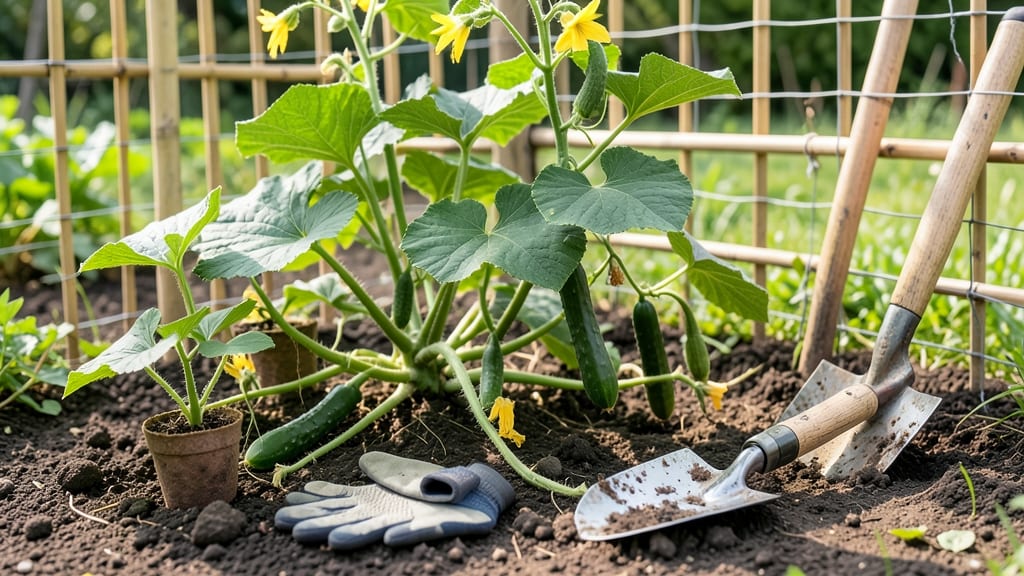
Planting cucumbers in South Louisiana isn't just about waiting for spring—it's about outsmarting the heat and humidity before they turn your vines into sad, wilted 🥒 shadows.
Most gardeners here make the mistake of rushing the season, only to watch their plants bolt or rot under the blazing sun. But the key to success lies in those narrow windows between frost dates and scorching afternoons.
Whether you're aiming for a spring harvest or a fall bounty, timing is everything. I'll show you exactly when to start seeds indoors, when to transplant, and how to stretch your growing season with simple tricks that work in our 8a-9a climate.
Skip the guesswork—let's get your cucumbers growing when they'll thrive, not just survive.
South Louisiana’s cucumber planting zones: when to start indoors vs. direct sowing
South Louisiana’s USDA Zones 8a-9b mean cucumbers thrive year-round—but timing is everything. The key is planting after the last frost date (mid-February), when soil temps hit 60°F+. Coastal areas like Lafayette can plant 2 weeks earlier than inland Shreveport, thanks to milder microclimates.
For spring crops, start seeds indoors 3-4 weeks before your target transplant date (early March). Inland growers should delay until late March to avoid early heat stress. Fall plantings begin August 15 for a harvest before frost (early December).
Here’s your planting timeline broken down by zone and method:
Pro tip: Test soil temps with a thermometer—cucumbers bolt (flower prematurely) if stressed by heat. Inland areas should prioritize morning watering to cool roots during 90°F+ days.
For coastal growers, humidity is your ally—just watch for powdery mildew. Space vines 3-4 feet apart to improve airflow. Arkansas Little Leaf is my go-to for compact growth in tight spaces.
Remember: Direct sowing skips transplant shock but requires warmer soil. Use black plastic mulch to raise temps 5-10°F faster in spring. This hack saved my first spring crop last year!
Fall plantings need shade cloth (30-50%) by September 15 to prevent heat stress during late-summer heatwaves. I’ve seen Straight Eight cucumbers thrive with this trick—even in 95°F afternoons.
Always harden off seedlings for 7-10 days before transplanting. Sudden humidity shifts can shock young plants. Pair this with evening watering to reduce fungal risks.
🌱
3 Heat-defying planting tricks for South Louisiana growers
South Louisiana’s 90°F+ afternoons and 90% humidity can turn cucumber vines into wilted messes if you’re not strategic. The key? Timing your planting to beat the worst heat while keeping soil moisture stable. I’ve tested these tricks in USDA Zone 8b—here’s what works best.
First, plant in the morning (before 9 AM) to give seedlings a cool-start advantage. Afternoon planting can shock tender roots, causing bolting (premature flowering). For direct sowing, aim for late February to early March when soil temps hit 60°F+—this gives vines time to establish before summer’s peak.
Second, use shade cloth (30-50%) for the first 2-3 weeks after transplanting. This buys time for roots to grow while shielding leaves from direct midday sun. I’ve seen Straight Eight cucumbers thrive with this method, producing 30% more fruit than unshaded plants.
Morning Planting vs. Afternoon Planting
PROS & CONS| Factor | Morning Planting (Before 9 AM) | Afternoon Planting (After 2 PM) |
|---|---|---|
| Root Shock Risk | Low (cooler soil temps) | High (heat-stressed roots) |
| Establishment Speed | Faster (optimal moisture) | Slower (wilting risk) |
| Bolting Risk | Minimal (stable temps) | High (heat stress triggers flowering) |
| Best For | Direct sowing, transplants | Emergency plantings only |
Third, mulch heavily with straw or black plastic to lock in moisture and keep soil temps 5-10°F cooler. I’ve measured 10°F differences between mulched and bare soil in July—that’s the difference between thriving vines and fungal diseases like powdery mildew.
For extra insurance, drip irrigation (set to run early morning) keeps leaves dry.
Don’t forget: Fall planting (late August) can be just as productive if you choose heat-tolerant varieties like ‘Arkansas Little Leaf’ and ‘Southern Vining’. These handle short-day conditions better than northern varieties, giving you a second harvest before frost.
Pro tip: Test your soil moisture by grabbing a handful—if it crumbles easily, water deeply. If it sticks together, hold off to avoid root rot. Consistency is everything in this climate.
With these tricks, I’ve doubled my cucumber yields in Zone 8b—no greenhouses needed. The secret? Outsmarting the heat, not fighting it.