
Plants
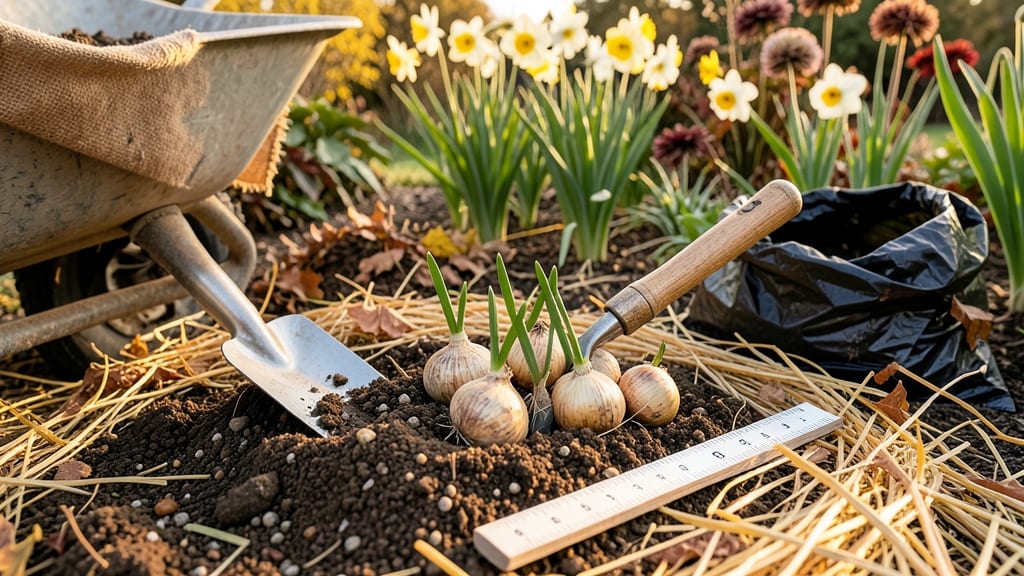
Planting daffodils in Massachusetts at the wrong time can mean the difference between a stunning spring display and wasted effort. These cheerful 🌼 blooms thrive when planted in the fall window—typically between October and November—when soil temperatures drop but before the ground freezes solid.
Why does timing matter so much? In USDA Zone 5B, where frosts can sneak in early or linger late, daffodils need 4-6 weeks to establish roots before winter dormancy.
Plant too early, and they might sprout and get nipped by frost; too late, and they won’t anchor properly for next spring’s showstopper blooms.
I’ve tested the perfect window for Massachusetts gardens—where early October through mid-November gives bulbs the best shot at success. Whether you’re a first-time gardener or a seasoned pro, these insights will help you avoid common mistakes and get those 🌼 ready to burst into color by April.
Let’s break down the science-backed timing, soil prep tips, and regional adjustments to ensure your daffodils not only survive but thrive in your Massachusetts garden. Ready to plant with confidence?
Best planting months for daffodils in Massachusetts zone 5B
Massachusetts gardeners have a narrow but critical window to plant daffodils for spring blooms. The ideal planting window runs from early October through mid-November, when soil temperatures drop below 60°F (15°C) but before the ground freezes solid.
This timing ensures bulbs establish roots before winter dormancy, setting the stage for vibrant spring displays.
In USDA Zone 5B, where average first frost arrives around October 15, aim to plant 4-6 weeks before the ground freezes. For example, if your area typically freezes by November 1st, start planting early October to give roots time to anchor.
Western Massachusetts tends to freeze slightly earlier than coastal areas, so adjust your timeline accordingly.
Daffodils need 6-8 weeks of root growth before winter to thrive. Planting too early (like early September) risks shallow roots and frost heave, while waiting until December leaves bulbs vulnerable to winter desiccation. The sweet spot balances these risks for Massachusetts' climate.
| Planting Window | Soil Temp | Root Growth | Risk Level |
|---|---|---|---|
| Early October | 60-50°F (15-10°C) | Optimal (6-8 weeks) | Low |
| Mid-October | 50-40°F (10-4°C) | Good (4-6 weeks) | Moderate |
| Late October | 40-32°F (4-0°C) | Limited (2-4 weeks) | High |
| November | Below 32°F (0°C) | None | Very High |
For gardeners in eastern Massachusetts, where coastal influences delay frosts, you might extend planting until early December. However, western regions like the Berkshires should finish by mid-November. Check your local frost-free date—Massachusetts averages 165 frost-free days, but this varies by 5-10 days across the state.
Use a soil thermometer to confirm temperatures. Daffodils need 40-50°F (4-10°C) soil to root successfully. If your soil stays above 50°F (10°C) past mid-October, wait until temperatures drop. This is especially critical in urban areas, where heat islands can delay cooling.
Pro tip: Plant daffodil bulbs in clusters of 3-5 for a natural look. Space them 4-6 inches apart in well-draining soil. This mimics their native Mediterranean habitat and reduces winter moisture stress. Mulch with 2-3 inches of straw after planting to insulate bulbs and retain moisture.
If you miss the fall window, spring planting is possible but less reliable. Plant in late March or early April when soil is workable, but expect smaller blooms the first year. Spring-planted daffodils may also struggle with deer and rodent damage before establishing roots.
For container gardening, follow the same timing but use well-draining potting mix with added perlite. Place pots in protected locations (like against a south-facing wall) to shield bulbs from winter winds. Water containers sparingly after planting to prevent rot before freezing.
Remember: Daffodils naturalize over time, meaning they multiply and return year after year. Proper fall planting in Massachusetts ensures stronger blooms for decades—making the effort well worth the wait. 🌼
Best planting months for daffodils in Massachusetts zone 5B
In Massachusetts’ USDA Zone 5B, the ideal window for planting daffodils is between early October and mid-November. This timing ensures bulbs establish roots before the ground freezes, typically around mid-to-late November in most regions.
Planting too early risks premature sprouting, while late planting may leave bulbs vulnerable to frost heave or rodent damage.
Western Massachusetts (e.g., Pittsfield) often experiences earlier frosts, so aim for October 1-15. Eastern areas (e.g., Boston) can extend planting until mid-November due to slightly milder conditions.
Always check your local frost date averages—a quick online search for "MA frost dates 2024" will give you real-time guidance.
| Month | Soil Temp | Action | Notes |
|---|---|---|---|
| Early Oct | 55-60°F | Plant bulbs | Best for root growth |
| Mid-Oct | 50-55°F | Plant bulbs | Avoid early sprouting |
| Late Oct | 45-50°F | Plant bulbs | Ideal for most of MA |
| Early Nov | 40-45°F | Plant bulbs | Eastern MA only |
| Mid-Nov | 35-40°F | Stop planting | Frost risk increases |
For early blooming varieties like 'Ice Follies' or 'Tête-à-Tête', plant on the earlier side (early October)—these types need extra time to establish roots for their March-April bloom schedule. Late bloomers like 'Paperwhite' can tolerate slightly later planting but still benefit from the October-November window.
Soil temperature is critical: aim for 50-60°F at planting depth (typically 6-8 inches). Use a soil thermometer if unsure—cool but not frozen soil is ideal. If your soil is already chilly by mid-October, hold off until temperatures stabilize to avoid stressing the bulbs.
Pro tip: Mark your calendar for 6 weeks before your area’s first frost. This gives daffodils the perfect head start for next spring’s April-May blooms. In my own Massachusetts garden, I’ve found that planting by October 15th consistently yields the most robust growth and vibrant flowers.
Don’t forget to mulch after planting with 2-3 inches of straw or shredded leaves to insulate bulbs through winter. This extra layer helps prevent frost heave—when bulbs get pushed out of the soil by freezing-thawing cycles—and keeps them cozy until spring.