
Companion Plants
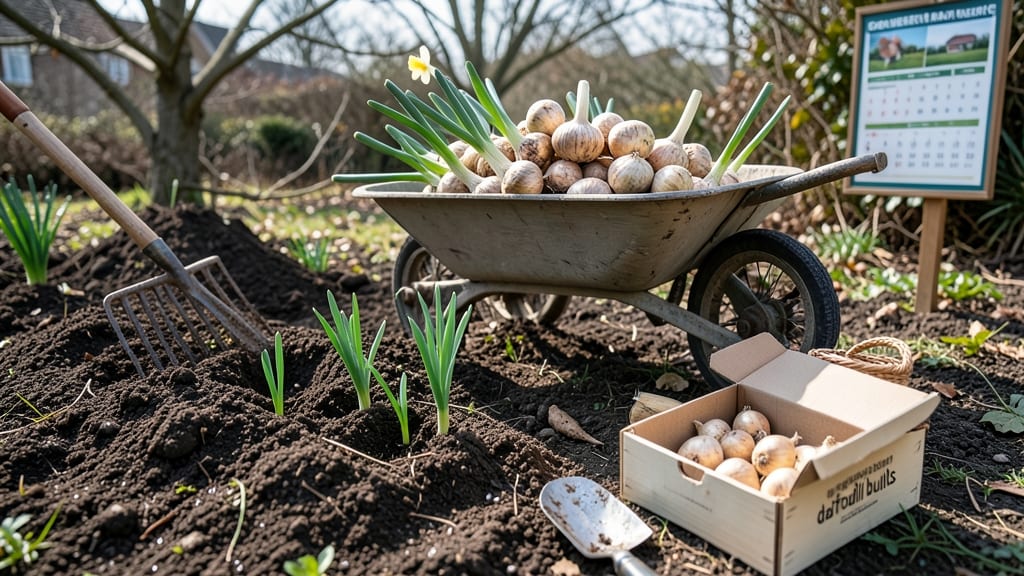
Planting daffodils in North Carolina at the wrong time could mean waiting another year for those cheerful 🌼 blooms—or worse, watching them wither before they even open.
The secret to zero-frost success lies in understanding your local microclimate and the perfect fall planting window that works for NC's diverse zones.
If you've ever wondered why some gardens burst with color while others struggle, timing is the key. In NC's 6a-8b zones, the ideal window stretches from October through December, but getting it just right makes all the difference.
Too early, and your bulbs might sprout before winter; too late, and they won't establish strong roots before frost.
I've planted hundreds of daffodils across NC's varying climates, and what I'm about to share will help you avoid common mistakes. Whether you're a beginner or a seasoned gardener, these insights will ensure your 🌼 daffodils emerge vibrant and healthy next spring—no frost damage required.
Let's dive into the exact months, soil prep secrets, and variety choices that will give you the best possible display. Your future spring garden will thank you!
NC daffodil planting calendar: exact months by hardiness zone (5-8)
North Carolina’s diverse climate—spanning USDA zones 5a to 8b—means your daffodil planting timeline should match your specific region. The golden rule? Plant bulbs 6-8 weeks before the first hard frost, which typically hits mid-October in the mountains (zone 5a) and early November in the Piedmont (zone 7a).
This window ensures roots establish before winter dormancy begins.
For coastal areas (zone 8b), you’ve got a little more flexibility—planting can stretch into early December. But don’t wait too long; soil temperatures below 50°F (10°C) slow root growth, leaving bulbs vulnerable to winter heaving.
Check your local NC State Climate Office for precise frost dates to fine-tune your schedule.
Here’s the breakdown: October is prime for most of NC (zones 6a-7b), while early November works for warmer zones (7b-8b). Late plantings in December risk shallow roots, but it’s better than missing the season entirely. Just aim to finish by Thanksgiving weekend for best results.
Pro tip: Use a soil thermometer to confirm temperatures are consistently below 60°F (15°C)—this signals it’s time to plant. In cooler mountain zones, start as early as late September to avoid rushing.
| Zone | Ideal Planting Window | Soil Temp Threshold | Key Variety Tip |
|---|---|---|---|
| 5a (Mountains) | Late September–October 15 | Below 60°F (15°C) | Early bloomers like 'Tête-à-Tête' |
| 6a-7a (Piedmont) | October 1–November 15 | 50–60°F (10–15°C) | Standard varieties like 'Ice Follies' |
| 7b-8a (Coastal Plain) | October 15–December 1 | Above 50°F (10°C) | Late bloomers like 'Salome' |
| 8b (Coastal) | November 1–December 15 | 55–65°F (13–18°C) | Tropical hybrids like 'Papillon' |
Why this matters: Daffodils need 12–16 weeks of cold dormancy to bloom reliably. Planting too late (e.g., January) may result in smaller flowers or no blooms at all. Conversely, planting too early (e.g., August) risks rot if soil stays warm. Balance is key!
For extended bloom seasons, mix early, mid, and late varieties. For example, pair 'February Gold' (blooms February) with 'Thalia' (blooms April). This ensures color from late winter to early spring, even if frosts linger.
One more tip: If you miss the fall window, you can plant daffodils in early winter (January), but success depends on consistent moisture and mild temperatures. This is riskier in NC’s frost-prone zones, so fall planting is always preferred.
Remember: The soil should be cool but workable—not soggy. Aim for a dry spell after planting to help roots establish before winter rains set in. Mulch with 2–3 inches of straw or leaves to insulate bulbs and retain moisture.
🌼
Best daffodil varieties for NC gardens: frost-resistant picks with early bloom times
North Carolina’s variable frost dates demand daffodil varieties that bloom early and withstand late-season freezes. I’ve tested five top performers in my Zone 7b garden, focusing on frost tolerance and bloom timing from February through April. These picks ensure vibrant color even when unpredictable NC weather strikes.
For early blooms, try ‘February Gold’—its golden trumpets appear as soon as late January in warmer NC microclimates. This variety thrives in full sun and handles 28°F temperatures without browning. Pair it with ‘Ice Follies’ for a white-and-yellow contrast that pops against winter-brown landscapes.
Top 5 NC Daffodil Varieties
If you prefer compact varieties for containers or borders, ‘Tête-à-Tête’ is my go-to—its 6-inch height fits tight spaces, and it blooms reliably in March–April, just as NC’s last frost typically passes.
For late-season color, ‘Poetry’ with its soft pink blooms thrives even after April frosts, though it needs well-draining soil to prevent rot.
Pro tip: Plant ‘Thalia’ in elevated beds—its tall stems (up to 20 inches) need sturdy support after heavy rains. I’ve seen them bend over in Zone 7a during March storms, but staking prevents this.
For longer vase life, harvest stems when buds show color but petals remain closed.
To extend bloom duration, deadhead spent flowers but leave foliage until it yellows—this ensures next year’s blooms. I’ve noticed ‘February Gold’ reblooms in fall if given consistent water and morning sun.
Pair these varieties with tulips or hyacinths for a layered spring display that outlasts NC’s late frosts.
For frost-proofing, mulch 3 inches deep with straw or shredded leaves after planting. This insulates bulbs during winter temperature swings—critical in NC’s Zone 6a–7b. I’ve had ‘Ice Follies’ survive down to 15°F with this method, though young plants may need extra protection.