
Companion Plants
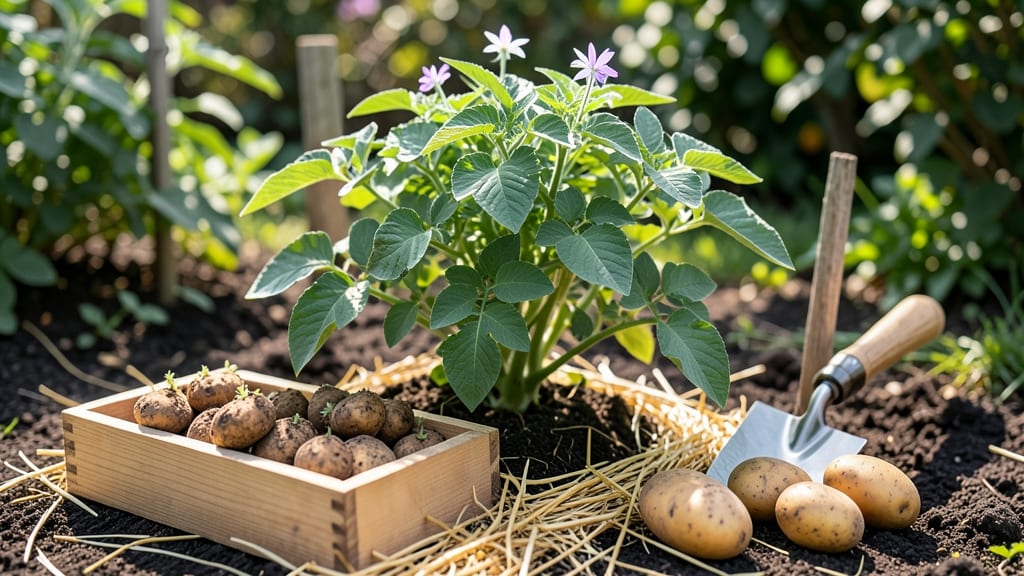
Planting potatoes in North Carolina at the wrong time can mean the difference between a bumper harvest and a total loss—especially with the state's unpredictable spring weather.
Whether you're growing early varieties for a June feast or main crops for fall storage, getting the timing right is critical to avoiding frost damage or blight.
Most gardeners in USDA Zones 7a-8b know the basics—spring planting—but the exact window matters. Too early, and your 🥔 tubers will rot in cold soil; too late, and late-season diseases like blight move in faster than you can dig.
The key is understanding how your region's microclimate (coastal, Piedmont, or mountain) affects frost dates and soil warmth.
I’ve tested planting schedules across North Carolina’s diverse zones, and the results speak for themselves: early varieties thrive when planted as soon as the soil reaches 50°F, while main crops need to hit the ground by mid-April.
Here’s how to align your planting with NC’s climate for the most reliable harvests.
Ready to avoid common mistakes and maximize your yield? Let’s break down the exact months to plant by variety—and why a 2-week window can make or break your crop.
North Carolina potato planting calendar by variety: exact months for frost-free success
North Carolina’s diverse climate—from the cool mountains to the humid coast—means your potato planting window varies by USDA zone and variety type. Early varieties like Red Norland thrive in Zone 5b, while late-season Yukon Golds need the warmth of Zone 7a+.
Timing isn’t just about frost dates; it’s about matching your potato’s maturity days (60–120 days) with NC’s 210–240 frost-free days.
Most NC gardeners plant potatoes in March or April, but coastal areas (like Wilmington) can start as early as February with protection, while mountain regions (like Asheville) may wait until mid-April.
The key is soil temperature: potatoes won’t sprout until the soil reaches 50°F, so use a soil thermometer if unsure.
Here’s your NC potato planting schedule by variety, adjusted for regional frost dates and harvest windows:
For Zone 5b areas (like the mountains), use row covers to plant 4–6 weeks earlier than your average last frost date. In Zone 8a+ (coastal NC), you can even try a fall planting in September for a winter harvest, though yields may be smaller.
Soil prep is non-negotiable in NC: potatoes hate clay-heavy soils and waterlogged conditions. Mix in compost or aged manure to improve drainage, and aim for a pH of 5.0–6.5. If your soil is too acidic, add lime in the fall.
After planting, keep soil consistently moist but not soggy—NC’s humidity already increases blight risk. Mulch with straw to retain moisture and suppress weeds. In July–August, reduce watering slightly to harden skins before harvest.
Harvest timing depends on your variety: early potatoes (like Red Norland) are ready in 70 days, while late varieties (like Purple Viking) need 120 days. Dig when the flowers fade and foliage yellows, but don’t wait until the plant dies—this reduces yield.
🥔 Remember: NC’s humid summers mean blight can strike fast. Choose resistant varieties (like Kennebec) if you’re in a high-risk area.
How to adjust your planting schedule for North Carolina’s microclimates
North Carolina’s diverse climate—from the coastal plains to the mountain regions—means your potato planting schedule should shift based on your location. The Piedmont (Zones 7a-7b) and Coastal Plain (Zone 8a) can start earlier, while the mountains (Zones 5b-6a) need to wait for warmer soil.
Always check your last frost date (typically mid-March in the Piedmont, late April in the mountains) before planting.
Soil temperature is critical—potatoes won’t sprout until the soil reaches 50°F. Use a soil thermometer to confirm readiness, especially in cooler areas like Asheville or Boone. If your soil is too cold, delay planting or use row covers to warm it faster.
In Zone 8a (coastal areas), you can even plant early varieties as soon as February with protection.
Here’s how to adapt your schedule by region:
- Coastal NC (Zone 8a): Start early varieties in late February and main crops by March 15.
- Piedmont (Zones 7a-7b): Plant early potatoes in early March and late varieties by April 1.
- Mountains (Zones 5b-6a): Wait until mid-April for early varieties and May 1 for main crops.
⚠️ Warning: Mountain Gardeners, Beware!
In Zone 5b areas (e.g., Blowing Rock), late frosts can linger until May 1. If you plant too early, use black plastic mulch or cold frames to protect seedlings. Avoid planting late varieties after June 1, as they won’t mature before first frost in mid-November.
For coastal gardeners, humidity and late blight risk mean you should prioritize early-maturing varieties (like Red LaSoda) and avoid planting after June 15. In contrast, Piedmont gardeners can stretch their season with successive plantings every 2-3 weeks from March to May for a continuous harvest.
Pro tip: If you’re in a transition zone (e.g., Raleigh or Charlotte), split your planting between early and mid-season varieties to hedge against frost or heat stress. Always monitor weather forecasts—a cold snap in April can delay planting by weeks.
Finally, remember that soil drainage matters more in humid areas. Amend clay-heavy soils (common in the Piedmont) with compost or sand to prevent rot, especially during North Carolina’s wet springs. 🌱