
Plants
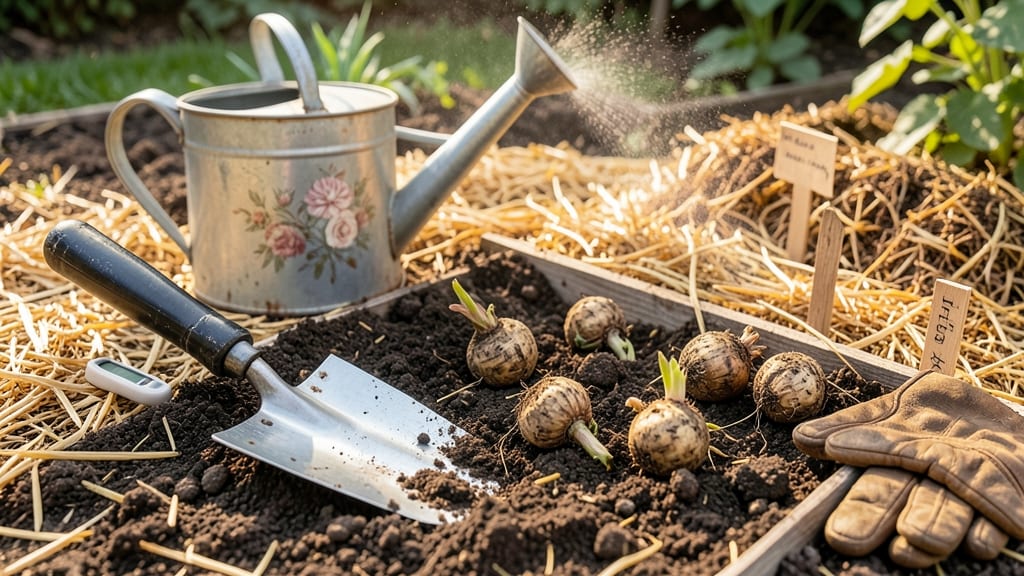
Planting dahlias in Illinois isn't just about grabbing tubers and sticking them in the ground—timing them right means the difference between vibrant blooms and wasted effort.
With USDA zones 5-6 and frost dates that can shift from year to year, getting the window wrong could leave your 🌼 struggling or worse, killed by a late freeze.
Most gardeners in Illinois wait until late April to mid-May after the last frost, but that’s not the whole story. Soil temperature matters just as much—dahlias need the ground to warm up to at least 60°F before they’ll thrive.
Cold soil slows root growth, and that’s a recipe for stunted plants.
If you’re starting tubers indoors, you can give yourself a head start, but even then, transplanting too early risks frost damage. The key is balancing warm soil with frost-free nights, and I’ll show you exactly how to nail that timing for your specific zone.
Once you’ve got the right moment, the next steps—soil prep, spacing, and post-planting care—will set your dahlias up for a showstopping summer. Let’s break it down so you can enjoy those bold blooms from July through October without the guesswork.
Illinois hardiness zones: exact frost dates for dahlias
Illinois spans USDA hardiness zones 5a through 7a, and each zone has its own last frost date that determines when you can safely plant dahlia tubers.
In northern Illinois (zones 5a-5b), the average last frost arrives around May 1-15, while southern Illinois (zones 6a-7a) sees frost-free conditions as early as April 15. These dates are critical because dahlias won’t tolerate frost—even a light freeze can kill emerging shoots.
But frost dates alone aren’t the full story. Dahlias also need warm soil (at least 60°F) to thrive. In zone 5a, soil may not reach this temperature until late May, while zone 7a gardeners can plant as early as mid-April.
Always check soil temperature with a soil thermometer before planting to avoid stunted growth.
Here’s the golden rule: Wait until two weeks after your average last frost date to plant dahlia tubers. This buffer accounts for late frosts and gives your plants time to establish roots before summer heat arrives.
For example, if your last frost is April 20, aim to plant around May 5.
Illinois’ microclimates add another layer of complexity. Urban areas like Chicago often experience later frosts due to the "urban heat island" effect, while rural areas in southern Illinois may warm up faster. Pay attention to local weather patterns and consider row covers if early planting is tempting.
If you’re unsure about your exact zone, use the USDA Plant Hardiness Zone Map or check local Cooperative Extension Service resources. For example, Chicago (zone 5b) gardeners should wait until May 10 at the earliest, while St. Louis (zone 6b) can plant by April 20.
Always monitor weekly forecasts in late spring—late frosts can still sneak in.
For container gardening, timing shifts slightly. Potted dahlias can be planted 2-3 weeks earlier than in-ground plants because containers warm up faster. However, they’re also more vulnerable to temperature swings, so keep them near your home or use heat mats if nighttime temps dip below 50°F.
Pro tip: Chit your tubers (place them in a bright, cool spot 2-3 weeks before planting) to encourage early sprouting. This gives you a head start and helps you gauge when soil conditions are truly ready.
Look for 1-inch sprouts before transplanting—this signals the tuber is active and ready to grow.
Remember, dahlias are tender perennials in Illinois. While they’ll return each year if left in the ground, they’re not cold-hardy enough to survive winter. Plan to dig and store tubers after the first frost in October to protect them for next season.
Step-by-step planting timeline for Illinois gardeners
Timing your dahlias correctly in Illinois means the difference between vibrant blooms and wasted tubers. Since Illinois spans USDA zones 5a-7a, I’ve broken down the exact steps for each zone to ensure you plant at the perfect moment—after the last frost and when soil warms to 60°F.
Most gardeners in the state start tubers indoors 6-8 weeks before transplanting, but let’s walk through the full process.
First, chit your tubers (place them in a bright, cool spot with the "eyes" facing up) starting in mid-March. This jumpstarts growth, giving you a head start on the season. For zones 5a-5b, transplant outdoors after May 15—earlier than this risks frost damage.
In zones 6a-7a, you can plant as early as mid-April, but always check your local frost dates.
🌱 Step-by-Step Planting Timeline
- 📅 March 15-30: Chit tubers in bright, cool spot (50-60°F).
- 🌱 April 1-15: Start tubers indoors (zones 5a-5b) or wait for soil warmth (zones 6a-7a).
- 🌡️ April 15-May 15: Harden off seedlings (acclimate to outdoor temps).
- 🌿 May 15-June 15: Transplant outdoors after last frost (soil ≥60°F).
- 💧 June-August: Water deeply 2-3x/week; fertilize every 4-6 weeks.
- ✂️ September: Deadhead spent blooms to encourage more flowers.
- 🌧️ October 15: Dig up tubers before first frost; store in dry, cool place.
When transplanting, dig holes 4-6 inches deep and space tubers 12-18 inches apart (closer for dwarf varieties, farther for giant blooms). Mix in compost or aged manure to enrich the soil—dahlias are heavy feeders and thrive with organic matter.
After planting, water deeply to settle the soil and encourage root growth.
Once established, dahlias need consistent moisture but hate soggy soil. Water at the base of the plant in the morning to prevent fungal diseases like powdery mildew. Mulch around the base with straw or shredded leaves to retain moisture and suppress weeds.
This is especially critical in July and August, when heat can stress plants.
In zones 6a-7a, you might get a second flush of blooms if you plant late varieties in early June. Just be sure to monitor weather forecasts—unexpected late frosts can still sneak in.
For extra protection, cover young plants with frost cloth if frost is forecasted after your usual transplant date.
Finally, don’t forget to deadhead regularly throughout the season. Removing spent blooms redirects energy to new growth, extending your dahlia’s blooming season until frost. In Illinois, this can mean flowers well into October—just in time for fall garden displays!