
Plants
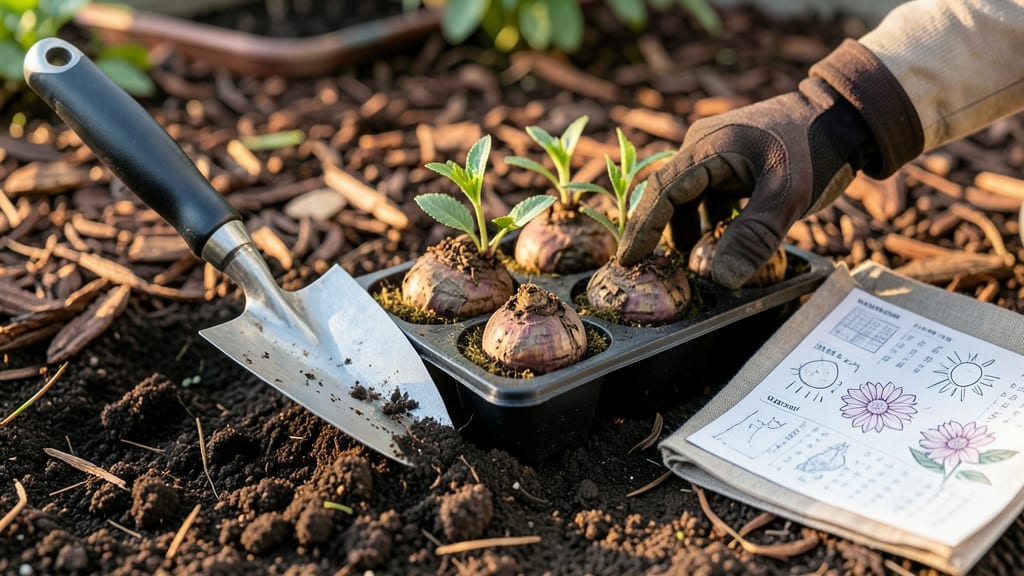
Planting dahlias in Indiana at the wrong time means either frost-nipped tubers or a blooming season cut short by summer’s end. The key isn’t just following a calendar—it’s waiting for soil to warm to 60°F, when those 🌼 beauties finally wake up from dormancy.
I’ve learned the hard way that Indiana’s 6a zone demands patience—cool springs can delay planting until late May, while early April might still hide lingering frost. But don’t wait too long either; dahlias need 120 days of warm weather to reach their full glory.
This guide breaks down exactly when to plant, how to test soil readiness, and what happens if you get the timing wrong. You’ll discover the 5 critical signs your garden is finally safe for dahlias, plus how to adjust for Indiana’s unpredictable weather patterns.
Whether you’re a first-time gardener or a veteran with frost-burned memories, these insights will help you time your planting for maximum blooms from July through October. Let’s get those tubers in the ground at the perfect moment.
Indiana’s ideal dahlia planting timeline based on soil temperature
Indiana gardeners know that dahlias (🌼) thrive when planted at the right time—typically 4-6 weeks after your last frost date. For most of Indiana, this means aiming for mid-April to mid-May, but soil temperature is the true deciding factor.
Dahlias need soil at 60°F (15°C) or warmer to sprout successfully, and Indiana’s USDA Zone 5-6 climate can vary wildly between regions.
Northern Indiana (e.g., Gary, South Bend) often waits until May 1 due to later frost dates, while Southern Indiana (e.g., Evansville, Louisville metro) can plant as early as April 15.
Always check your local frost-free date averages—the Indiana State Climate Office provides updated trends. A soil thermometer ($10 at garden centers) is your best tool for precision.
Here’s the golden rule: Never plant dahlias in cold, wet soil. Tubers left in damp conditions will rot, and even if they sprout, they’ll struggle to establish roots. In Indiana, this means avoiding March plantings unless you’re using a cloche or row cover to protect young shoots.
If you’re eager to start early, consider pre-sprouting tubers indoors 2-3 weeks before your target outdoor date. Place them in a bright, warm spot (70°F+) with the eyes (growth nodes) facing up. Once sprouts are 2-3 inches tall, they’ll be ready to transplant into warmed soil.
🌱 Indiana Dahlia Planting Timeline Summary
| Stage | Action | Indiana Timeline |
|---|---|---|
| Prep Tubers | Cut back old growth, store in cool, dry place (40-50°F). | Mid-February |
| Pre-Sprout Indoors | Place tubers in bright, warm spot (70°F+). | Late March |
| Test Soil Warmth | Use thermometer; aim for 60°F+. | Early April |
| Plant Outdoors | Bury tubers 6 inches deep, 18-24" apart. | Mid-April to Mid-May |
| First Blooms | Expect 90-120 days after planting. | July |
Pro Tip: Southern Indiana can plant 2 weeks earlier than Northern Indiana. Adjust based on your microclimate!
Indiana’s clay-heavy soils in the north (e.g., Lafayette, Fort Wayne) warm more slowly than the sandy loams in the south (e.g., Terre Haute, Bloomington). If your soil is slow to warm, amend it with compost or aged manure in early spring to speed up the process.
This adds organic matter that retains heat and improves drainage.
One common mistake is relying solely on calendar dates instead of soil conditions. For example, a late-March frost in Northern Indiana can wipe out early plantings, while Southern Indiana might see 60°F soil by early April. Always harden off indoor-sprouted tubers for 7-10 days before planting to avoid shock.
For container growers, dahlias can be planted 1-2 weeks later than in-ground varieties since pots warm up faster. Just ensure your containers have drainage holes and use a lightweight potting mix to prevent waterlogging. In Indiana’s humid summers, elevated containers also reduce fungal risks.
Remember: Dahlias are frost-sensitive but can tolerate light frosts (28°F) if established. If a late frost threatens after planting, cover them with row fabric or blankets until temperatures rise. This gives them a fighting chance to recover.
Indiana’s ideal dahlia planting timeline based on soil temperature
Indiana gardeners know that dahlia tubers need warm soil to thrive, not just frost-free nights. The average last frost date in Indiana ranges from April 15 in Southern Indiana to May 1 in Northern regions, but soil temperature tells the real story.
Dahlias won’t sprout until the ground reaches 60°F (15°C)—waiting for this warmth ensures robust growth and vibrant blooms.
For USDA Zone 5b-6a (most of Indiana), this typically means planting 4-6 weeks after last frost. Use a soil thermometer to confirm readiness—stick it 4-6 inches deep in the morning for the most accurate reading.
In Southern Indiana, this could be as early as late April, while Northern Indiana gardeners may wait until mid-May.
🌱 Indiana Dahlia Planting Timeline
| Region | Last Frost Date | Ideal Planting Window | Soil Temp Check |
|---|---|---|---|
| Southern Indiana | April 15 | April 25 - May 10 | 60°F+ (after April 20) |
| Central Indiana | April 22 | May 1 - May 15 | 60°F+ (after May 1) |
| Northern Indiana | May 1 | May 15 - May 30 | 60°F+ (after May 10) |
💡 Pro Tip: Black plastic mulch warms soil 2-3°F faster—use it to extend your planting window by 1-2 weeks.
If you’re eager to start earlier, consider starting dahlias indoors in March. Use a grow light to provide 12-14 hours of light daily until transplanting outdoors. Harden off seedlings for 7-10 days before moving them to the garden to avoid shock.
For container gardeners, potted dahlias can be planted 2 weeks earlier than in-ground varieties since containers warm up faster. Choose 5-gallon pots with drainage holes and fill them with a well-draining potting mix to prevent rot. Just remember: containers dry out faster, so monitor moisture closely.
Once planted, dahlias need 6+ hours of sunlight daily and consistent moisture to establish roots. Mulch with 2-3 inches of straw or shredded leaves to retain soil warmth and suppress weeds.
This is especially critical in Indiana’s variable spring weather, where cold snaps can still occur after the official last frost date.
Don’t let climate change shifts throw you off—Indiana’s frost-free season has lengthened by 2 weeks over the past decade. While this extends the growing season, it also means soil warms faster in early spring. Stay flexible and check soil temperature weekly in April to adjust your planting schedule accordingly.