
Companion Plants
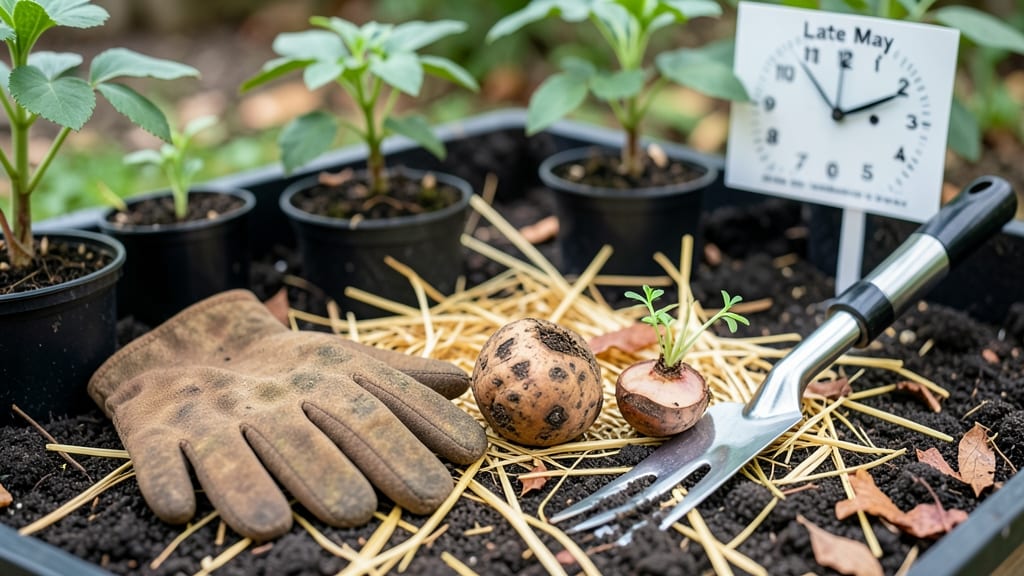
Planting dahlias in Minnesota isn't just about waiting for spring—it's about catching that sweet spot between frost and summer heat. Miss the window, and you might end up with wilted tubers or missed blooms.
The key is knowing exactly when soil warms up and frost risks fade in your USDA Zone 4B-5A area.
For most Minnesota gardeners, the ideal time to plant dahlia tubers is between mid-to-late May and early June, once nighttime temperatures stay consistently above 50°F.
But here's the catch: planting too early can leave your 🌸 vulnerable to late frosts, while waiting too long might stunt their growth before summer's peak.
I’ve learned the hard way that soil temperature matters just as much as calendar dates. You’ll want to wait until the ground reaches at least 60°F—that’s when tubers wake up and roots start growing.
In colder years, that could mean delaying planting until early June, but in warmer springs, late May works perfectly.
Once you’ve got the timing right, the next step is preparing your soil and tubers properly. We’ll cover how to plant them at the correct depth, choose the right varieties for Minnesota’s short season, and keep those stunning blooms thriving all summer long.
Let’s get those dahlias in the ground the right way!
Minnesota dahlia planting timeline by USDA Zone 4B-5A
Dahlias thrive in Minnesota’s USDA Zones 4B-5A, but their frost-sensitive tubers demand precise timing. Plant too early, and a late frost will kill your plants; too late, and you’ll miss the peak blooming season from July to October.
The key is waiting until the soil temperature reaches 60°F and all frost risk has passed.
Minnesota’s average last frost date falls around May 15, but this varies yearly. In Zone 4B, gardeners should wait until mid-to-late May, while Zone 5A gardeners can start as early as early May in sheltered microclimates.
Always check your local Almanac frost predictions for the most accurate timeline.
For direct tuber planting, aim for 2-4 weeks after your last frost date. If you’re starting indoor starts, begin chitting tubers in late March to early April and transplant outdoors after the last frost.
This gives your dahlias a 3-4 week head start for faster, more robust growth.
🌱 Minnesota Dahlia Planting Timeline
| Stage | Action | Zone 4B | Zone 5A |
|---|---|---|---|
| Chitting Tubers (Indoor) | Sprout tubers indoors | Late March | Late March |
| Last Frost Date | Average date | May 15 | May 1 |
| Direct Tuber Planting | Plant in garden | May 22–June 5 | May 1–May 15 |
| Transplant Starts | Move indoor starts outdoors | May 22–June 5 | May 1–May 15 |
| Bloom Start | First flowers | July 15 | July 1 |
| First Frost | Prepare for frost | October 1 | October 1 |
Soil temperature is critical for success. Dahlias won’t thrive if planted in cold soil. Use a soil thermometer to confirm temperatures are above 60°F before planting.
In Zone 4B, this often means waiting until late May, while Zone 5A gardeners may plant as early as early May in warmer microclimates.
Prepare your planting site by amending the soil with compost or aged manure to improve drainage and fertility. Dahlias hate soggy soil, so avoid low-lying areas where water pools.
Raised beds or mounded soil work well in Minnesota’s clay-heavy soils. Plant tubers 4-6 inches deep and 12-18 inches apart, depending on the variety’s mature size.
If you’re using row covers or cold frames, you can push your planting window 2-3 weeks earlier. This is especially useful in Zone 4B, where frosts can linger.
Remove covers once the soil warms consistently and plants show signs of active growth. Always monitor for heat stress under covers, as dahlias can overheat quickly.
After planting, mulch around your dahlias with 2-3 inches of straw or shredded leaves to retain moisture and regulate soil temperature. This is essential in Minnesota’s hot summers and cold nights.
Mulch also helps prevent tuber rot, a common issue in wet springs. Water deeply once a week after planting to encourage root establishment, then adjust based on rainfall.
For fastest blooms, choose early-season varieties like 'Café au Lait' or 'Karma Choc', which mature in 60-70 days. These varieties are more cold-tolerant and can handle Minnesota’s shorter growing season better than late bloomers.
Always check the days-to-maturity label when selecting tubers to ensure they’ll bloom before frost.
Remember, dahlias are perennial in Zone 5A but may need protection in Zone 4B. In colder years, mulch heavily and consider digging and storing tubers
How to extend your Minnesota dahlia season with smart planting
Minnesota’s short growing season doesn’t mean you have to miss out on dahlias. With the right techniques, you can push blooms earlier or extend them into fall.
The key is understanding your USDA Zone 4B-5A limitations and working with them—whether through cold frames, row covers, or heat-loving varieties that thrive in cool climates.
Start by choosing fast-growing cultivars like 'Café au Lait' or 'Karma Choc', which mature quickly and handle Minnesota’s unpredictable weather better. These varieties can give you blooms 4-6 weeks earlier than slower growers, helping you beat the first frost in October.
For those who want to extend the season, try tuber chitting—a simple process where you place tubers in a bright, cool spot (around 60°F) 4-6 weeks before planting.
This encourages early sprouting, giving your dahlias a head start. Pair this with black plastic mulch to warm the soil faster and keep roots cozy.
Early Season Planting: Push Blooms Earlier
Pros:
- Faster blooms with chitting
- Warmer soil from mulch
- Hardier varieties survive early frosts
Cons:
- Risk of late frost damage
- More maintenance for row covers
- Limited variety of fast growers
Late Season Planting: Extend Blooms into Fall
Pros:
- Longer vase life with late cuts
- Protects tubers from early cold
- Dramatic fall color in garden
Cons:
- Requires row covers or hoops
- Slower growth in cool soil
- More watering needed for late blooms
Another trick is using row covers or mini greenhouses to create a microclimate. These can add 5-10°F of warmth, letting you plant 2-3 weeks earlier in spring or keep dahlias blooming 2-3 weeks later in fall. Just remember to remove covers during the day in summer to prevent overheating.
For the most dramatic results, combine these methods: chit your tubers in March, plant into black plastic mulch by mid-May, and install row covers in late September. This gives you blooms from July through October, even in Minnesota’s climate.
Just be prepared to monitor for pests like slugs and Japanese beetles, which love tender new growth.
With these strategies, you’ll turn Minnesota’s challenges into opportunities—turning your garden into a late-summer spectacle that neighbors will envy. The secret? Start early, protect your plants, and choose the right varieties for your short but sweet growing season. 🌸