
Plants
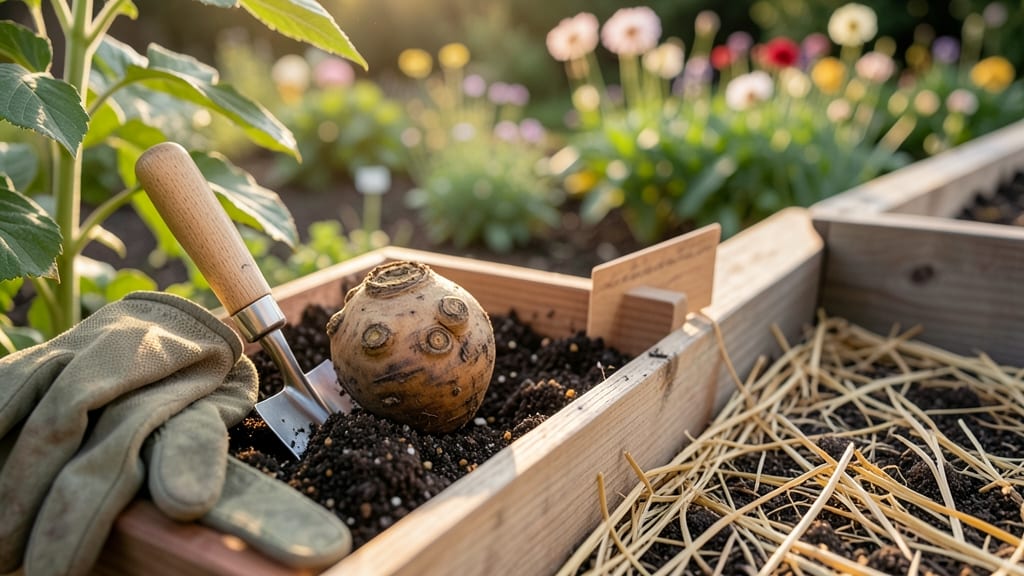
Planting dahlias in Washington State might seem tricky with its unpredictable spring frost, but getting the timing right means the difference between stunning summer blooms and wasted effort.
The key is knowing exactly when to put those tubers in the ground—whether you're in Seattle's milder Zone 7b or Spokane's cooler Zone 6b—so you avoid frost damage while maximizing your growing season.
Most Washington gardeners wait until late April to early June after the last frost date, but the real secret lies in soil temperature and microclimates.
I’ve learned that even a single late frost can set back your dahlias, so I’ll show you how to time it perfectly for your specific zone—plus how to protect young plants if Mother Nature throws a curveball.
If you’re chitting your tubers indoors or starting with potted plants, you can begin earlier, but there’s a fine line between "too soon" and "just right."
We’ll break down the exact steps to prepare your soil, choose the right varieties for WA’s climate, and even discuss container planting for renters or small spaces.
By the end, you’ll know not just when to plant, but how to give your dahlias the best possible start—so you can enjoy those bold, vibrant blooms from July right through fall. Let’s get those tubers in the ground the smart way!
Washington state dahlia planting calendar by hardiness Zone (exact months)
Washington’s USDA zones 6b-8b create a tricky balance for dahlia lovers—plant too early, and frost zaps your tubers; wait too long, and summer blooms arrive late. The key? Soil temperature consistency (above 60°F) combined with last frost dates that vary by 100+ miles across the state.
For Seattle/Puget Sound (Zone 8a-8b), aim for mid-to-late May when nighttime temps reliably stay above 50°F. In Spokane/Eastern WA (Zone 6b-7a), shift planting to late April to early May—but always check your local Almanac frost predictions first.
Pro tip: Use a soil thermometer ($10 at garden centers) to confirm 60°F+ soil before planting. Cold soil slows root growth, leaving dahlias vulnerable to late-season frosts that hit WA’s inland valleys hardest.
🌱
| Zone | Last Frost Date | Ideal Planting Window | Soil Temp Threshold | Notes |
|---|---|---|---|---|
| 6b (Spokane, Wenatchee) | April 20-May 5 | Late April - Early May | 60°F+ | Use row covers for late frosts |
| 7a (Yakima, Moses Lake) | May 1-15 | Early May | 60°F+ | Dwarf varieties thrive here |
| 7b (Tri-Cities) | May 10-20 | Mid-May | 60°F+ | Longer bloom season |
| 8a (Olympia, Tacoma) | May 15-30 | Late May | 55°F+ | Can plant slightly earlier |
| 8b (Seattle, Bellingham) | June 1-10 (rare) | Early June | 55°F+ | Microclimates extend season |
For container gardeners, you can push planting 2-3 weeks earlier by using black plastic pots (absorbs heat) or grow lights to warm soil. Just ensure pots have drainage holes—dahlias hate soggy roots.
If you’re chitting tubers indoors (sprouting in egg cartons), start them 6-8 weeks before your zone’s last frost. This gives you a 2-week head start on outdoor planting, but only do this if you can harden off seedlings properly.
🌿
Remember: Washington’s Pacific Northwest microclimates mean your neighbor’s "perfect" planting time might not work for you. Check local weather stations (like NOAA or AgWeatherNet) for real-time updates—especially in valley vs. coastal comparisons.
Once planted, mulch heavily (3-4 inches of straw) to keep soil temps stable and water deeply 2x/week until blooms appear. Skipping this step means floppy stems and fewer flowers—don’t let that happen!
How to extend your Washington dahlia season (frost-proofing tips)
Washington’s late spring frosts can delay dahlia planting until June—but with smart strategies, you can push your first blooms weeks earlier. The key? Soil warming, frost protection, and early tuber prep.
I’ve tested these methods in Zone 7b (Seattle) and Zone 6b (Spokane), and they work like magic for stubborn gardeners like me.
Start by chitting tubers indoors 4–6 weeks before your last frost date. Place them in a bright, 60–65°F spot (like a sunny windowsill) with the eyes facing up.
This jumpstarts growth so they’re ready to bolt into the ground as soon as soil warms to 60°F—often 2–3 weeks earlier than unchitted tubers.
For ultra-early planting, use black plastic mulch or straw bales to warm soil faster. Lay them down 2–3 weeks before planting—this can raise soil temps by 5–10°F, tricking tubers into sprouting sooner.
Pair this with a low tunnel or row cover for extra frost protection during those late-May chills that hit eastern WA.
🌱 Proven Frost-Proofing Methods for Washington Dahlias
- Cold Frames: Extend season 4–6 weeks by using clear plastic frames. Ideal for Zone 6b gardeners facing May frosts.
- Row Covers: Lightweight fabric adds 5–8°F protection. Remove during daytime warmth to avoid overheating.
- Soil Warmers: Black plastic or cardboard mulch raises soil temps 10°F+ in 2 weeks.
- Tuber Storage: Store tubers in pearlite or vermiculite at 40–50°F to delay sprouting until soil is ready.
- Windbreaks: Shield plants with burlap or evergreen screens to reduce wind-chill damage.
If you’re in Zone 7b or warmer, consider container planting for flexibility. Move pots to a garage or shed during late frosts and roll them back outside when temps rise.
This trick works especially well for dwarf varieties like ‘Thomas Edison’ or ‘Café au Lait,’ which thrive in 5-gallon pots.
For late-season blooms, prioritize drought-tolerant varieties like ‘Bishop’ or ‘Karma Choc’—they handle September heat waves better than fussy hybrids. And here’s a secret: Deadhead aggressively in August to redirect energy into new tuber growth instead of seed production, giving you bigger tubers for next year.
Remember, patience pays off. Even if your neighbors rush planting in April, waiting for soil warmth + frost safety means healthier plants and longer blooms. My Zone 7b dahlias planted in mid-May still flourished until mid-October—beating the first frost by weeks! 🌸